Oil Prices Fall as U.S. and Iran Hold Back From New Attacks
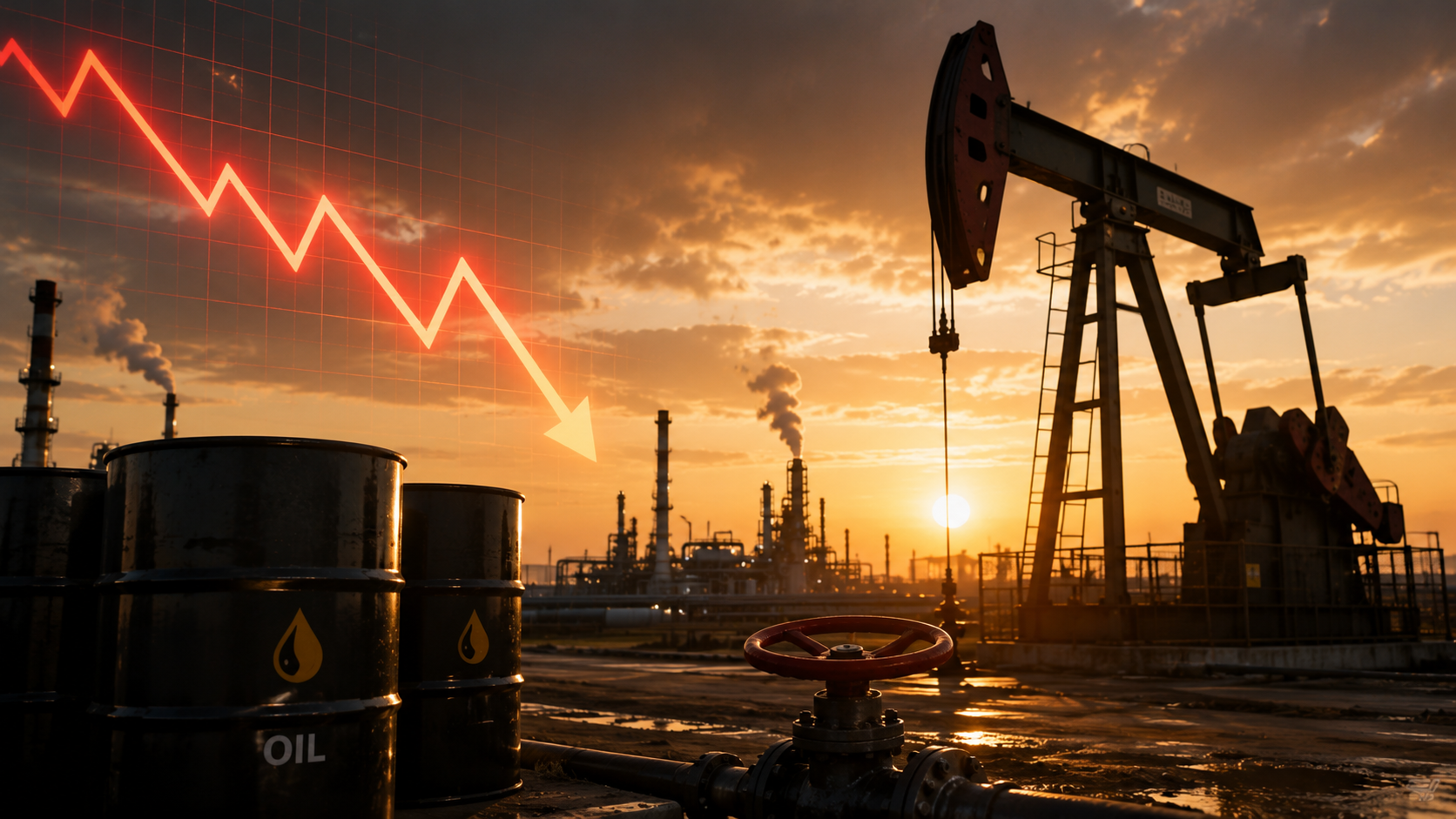
Global oil prices declined on Sunday after the United States and Iran avoided launching new military strikes in the Persian Gulf for a second consecutive day. The easing tensions helped calm energy markets, although crude prices remain significantly higher than earlier this month due to ongoing concerns about disruptions to global oil supplies.
The decline followed a sharp rally that pushed Brent crude above $100 per barrel last week, fueled by fears that escalating conflict in the Middle East could severely impact global energy shipments.
Oil Prices Retreat From Recent Highs
Brent crude, the international benchmark for oil prices, fell 4.9% to $92.02 per barrel in early trading after already dropping 3.9% on Friday.
U.S. benchmark crude also declined, falling 5.6% to $84.34 per barrel.
Despite the recent pullback, oil prices remain well above levels seen at the beginning of July, reflecting continued uncertainty in global energy markets.
Reduced Military Activity Calms Markets
Investors responded positively after the U.S. and Iran refrained from carrying out additional military attacks in the Persian Gulf for a second straight day.
While the pause has eased immediate concerns, traders remain cautious because tensions in the region continue to threaten one of the world's most important energy corridors.
Any renewed escalation could quickly push oil prices higher again.
Strait of Hormuz Remains a Major Concern
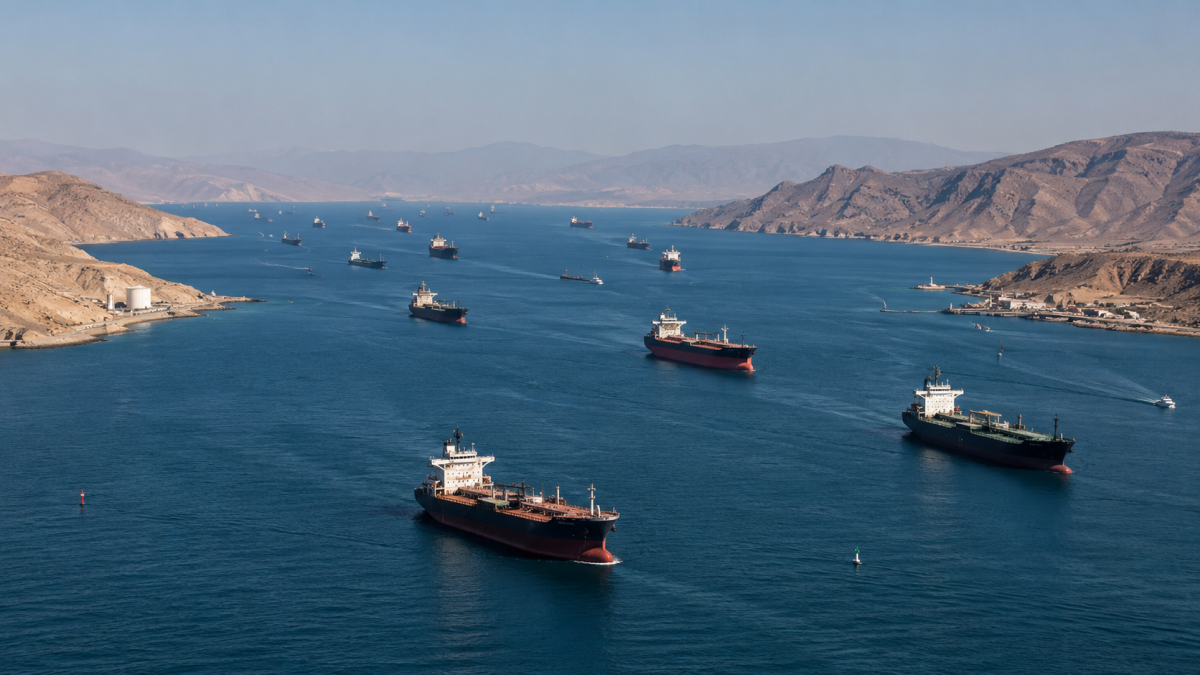
The Strait of Hormuz remains at the center of global energy market concerns.
Roughly 20% of the world's oil exports typically pass through the narrow waterway connecting the Persian Gulf to international markets.
Ongoing conflict has significantly disrupted shipping through the route, forcing oil producers to seek alternative transportation options.
However, those alternatives have also faced challenges, including recent attacks on Saudi oil tankers traveling through the Red Sea.
Higher Oil Prices Continue to Affect Consumers
Although crude prices have eased in recent days, higher energy costs continue to impact consumers.
According to AAA, the average price of regular gasoline in the United States reached $4.11 per gallon, up from $3.90 one month ago and $3.15 during the same period last year.
Higher fuel prices can increase transportation costs, potentially leading to more expensive groceries, consumer goods, and other products that rely on shipping.
Inflation and Interest Rate Concerns Remain
The rise in oil prices has also renewed concerns about inflation.
Earlier this month, inflation appeared to be slowing, but higher energy costs could reverse that trend.
Market participants are now increasing expectations that the U.S. Federal Reserve could raise interest rates if inflation remains elevated.
Higher borrowing costs could affect industries ranging from housing to artificial intelligence infrastructure by making financing more expensive.
What's Next
Energy markets will continue monitoring developments in the Middle East, particularly around the Strait of Hormuz. While the recent pause in military activity has eased immediate supply concerns, any renewed conflict could quickly drive oil prices higher and add further pressure to inflation and the global economy.
FAQ
Why did oil prices fall?
Oil prices declined after the United States and Iran avoided launching new military strikes for a second consecutive day, reducing immediate fears of supply disruptions.
How much did Brent crude fall?
Brent crude dropped 4.9% to approximately $92.02 per barrel after falling 3.9% in the previous trading session.
Why is the Strait of Hormuz important?
The Strait of Hormuz is one of the world's most critical oil shipping routes, with around 20% of global oil exports passing through it.
How do higher oil prices affect consumers?
Higher crude prices often lead to increased fuel costs and can raise transportation expenses, making goods such as food and household products more expensive.
Could higher oil prices affect interest rates?
Yes. Rising energy prices can contribute to inflation, which may influence central banks to keep interest rates higher or raise them further to control price growth.