Scientists Confirm New Monkey Species Hidden in DR Congo's Rainforest
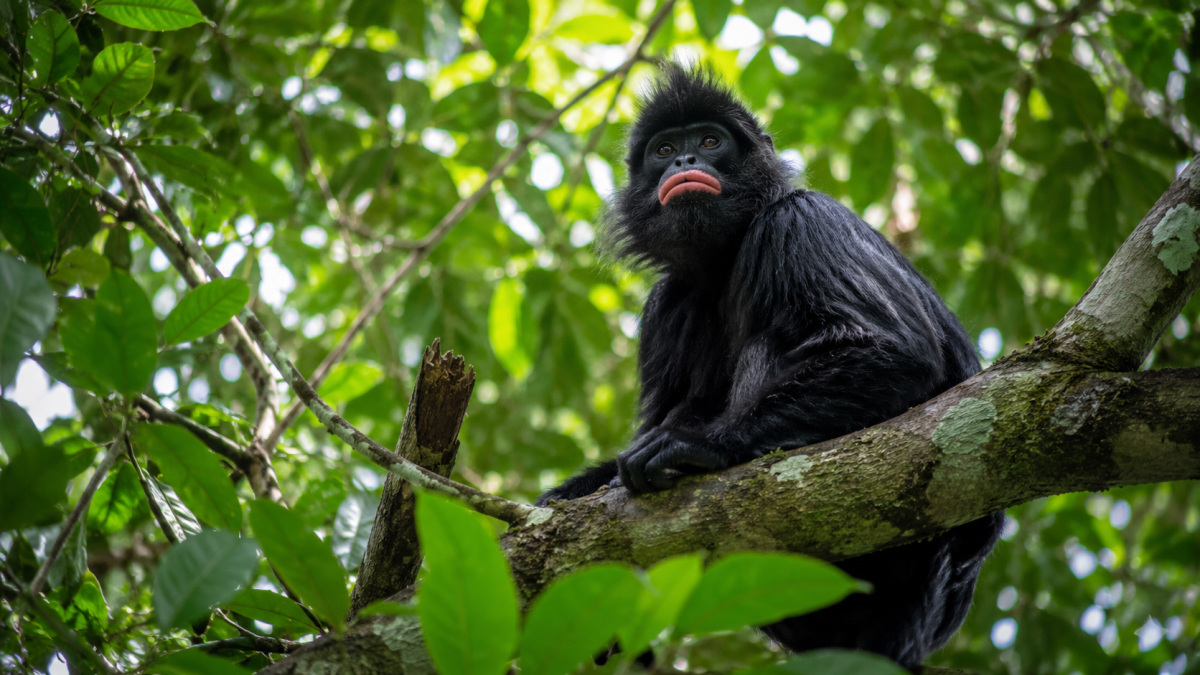
A team of international researchers has officially identified a previously unknown monkey species living deep within the tropical forests of the Democratic Republic of the Congo, marking one of the most significant African primate discoveries in decades.
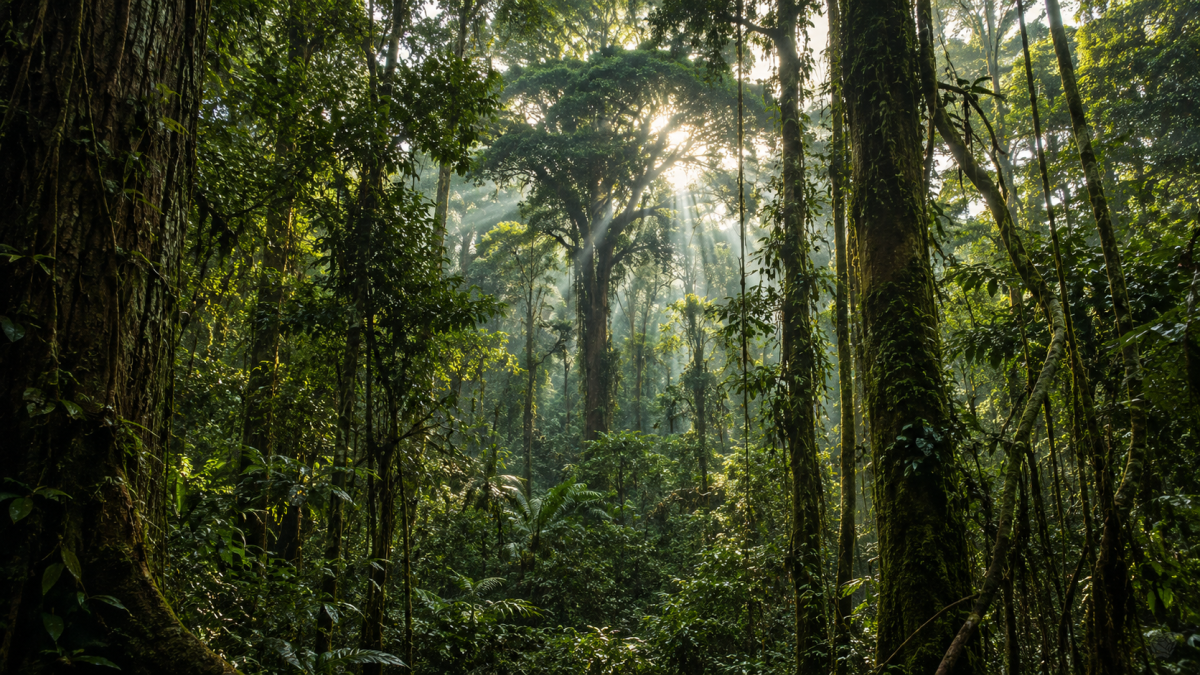
The newly classified primate, named Colobus congoensis, attracted attention because of its striking appearance, including dark fur, a black face and vivid orange-pink lips. Researchers say the species has remained largely unnoticed because it spends much of its time high in the rainforest canopy and inhabits remote forest regions with limited human access.
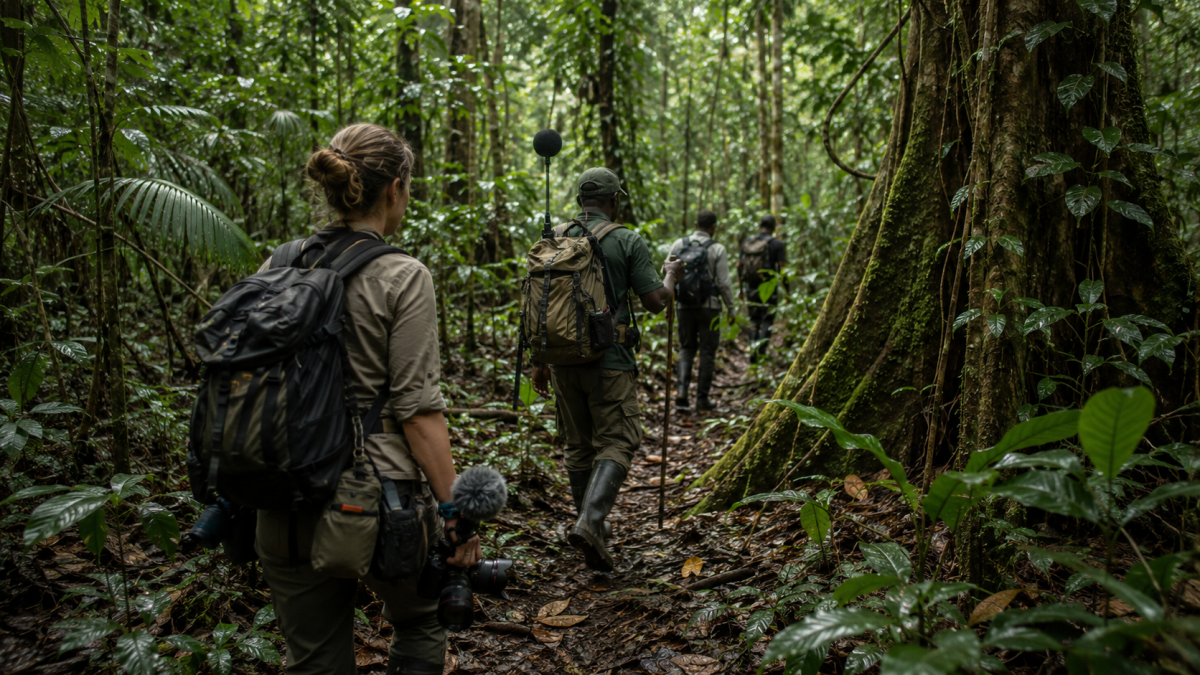
The discovery highlights the extraordinary biodiversity of Central Africa and underscores the importance of protecting some of the world's least explored ecosystems.
A Discovery Years in the Making
Researchers first became aware of the unusual monkey after field observations in Lomami National Park more than a decade ago. Early sightings were limited, and only poor-quality images were available, making identification difficult.
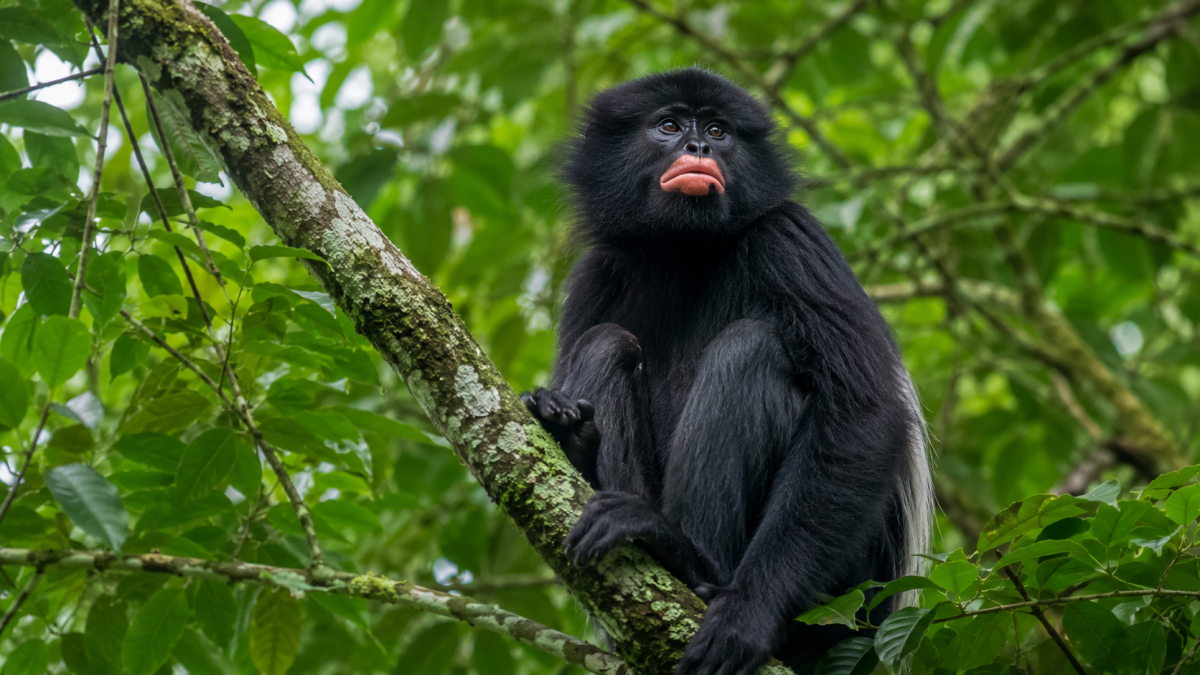
Later expeditions provided additional photographs, sound recordings and biological samples that allowed scientists to conduct detailed genetic analysis. Those studies confirmed the animals represent a species distinct from other known African colobus monkeys.
The findings have now been published in the peer-reviewed scientific journal PLOS ONE, formally recognizing the monkey as a separate species.
What Makes the Monkey Unique?
One of the species' most distinctive features is its bright orange-pink lips, which stand out against its otherwise dark facial colouring.
Scientists also identified unique vocalizations that help distinguish the monkey from related species. The loud calls travel across the forest canopy, making the animals easier to hear than to see.
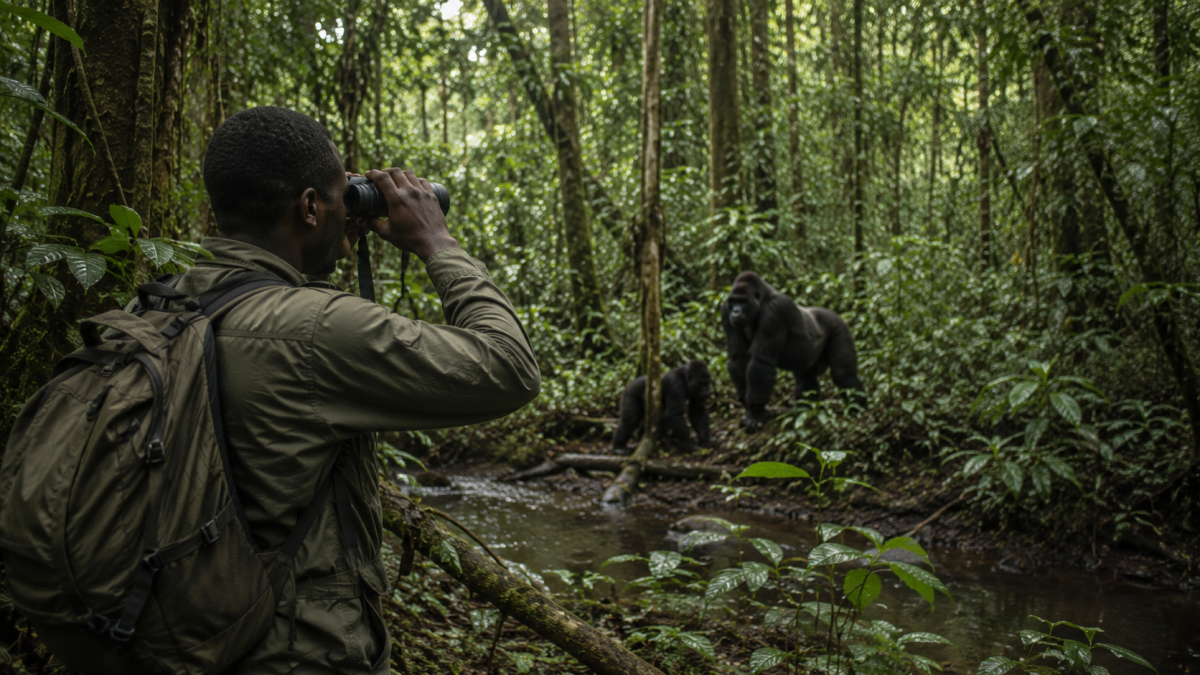
Like other colobus monkeys, the newly identified species lacks thumbs and primarily feeds on leaves and other plant material found high in rainforest trees.
Researchers believe these monkeys play an important ecological role by helping maintain healthy forest ecosystems through seed dispersal and vegetation cycles.
Why Scientists Missed It for So Long
Although local communities have long recognized the monkey and have their own traditional name for it, the species had never been formally described by science.
Its secretive behaviour, preference for tall forest canopies and relatively small geographic range made it particularly difficult for researchers to observe.
Field teams also interviewed nearby communities during their studies, confirming that sightings were uncommon even among people living close to the monkey's habitat.
The combination of remote terrain and the species' elusive nature contributed to the delay in its scientific classification.
Conservation Becomes the Next Priority
The formal recognition of Colobus congoensis could strengthen future conservation efforts.
Researchers say the monkeys face pressure from habitat loss and hunting, making long-term protection increasingly important.
Now that the species has been scientifically documented, conservation organizations and government agencies may be better positioned to assess its population size, evaluate threats and develop management plans aimed at protecting its remaining habitat.
Scientists also hope to learn more about the monkey's behaviour, breeding patterns and ecological importance through future field studies.
Why This Discovery Matters
New mammal discoveries are relatively uncommon, especially among large primates.
The identification of another African monkey species demonstrates that significant biodiversity remains hidden in remote tropical forests and reinforces the importance of continued scientific exploration.
The discovery also highlights how collaboration between local communities and international researchers can improve understanding of wildlife while supporting conservation initiatives across some of the world's richest ecosystems.
Conclusion
The confirmation of Colobus congoensis represents a major milestone for wildlife science and African conservation. While local communities have known of the monkey for generations, scientific recognition now opens new opportunities to study and protect one of Central Africa's most remarkable rainforest species before increasing environmental pressures threaten its future.
Frequently Asked Questions (FAQ)
Where was the new monkey species discovered?
The species was identified in Lomami National Park in the Democratic Republic of the Congo.
What is the monkey called?
Scientists have officially named it Colobus congoensis.
Why is the discovery significant?
It is one of only a handful of newly recognized African monkey species identified during the past several decades.
What makes the species unique?
Its black fur, black face, distinctive orange-pink lips and characteristic vocal calls distinguish it from other colobus monkeys.
Why is conservation important?
Researchers believe the species has a limited range and faces threats including habitat loss and hunting, making protection efforts increasingly important.