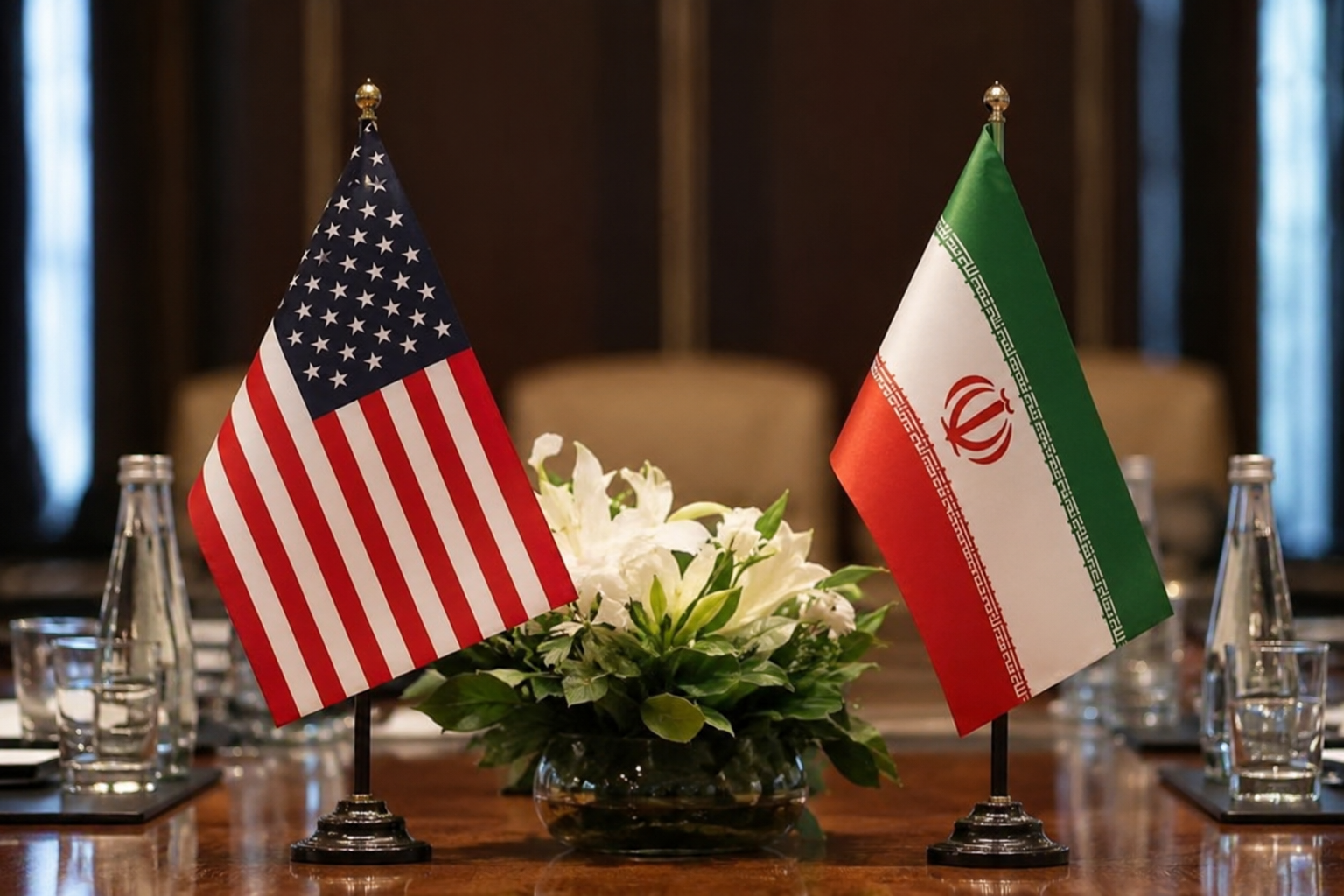
Mediators Report Progress in Efforts to Revive U.S.-Iran Ceasefire Talks
Diplomatic efforts to reduce tensions between the United States and Iran have gained momentum after three consecutive days without reported military strikes, according to regional officials involved in mediation. The pause in fighting has raised cautious optimism that both sides could return to negotiations and prevent a broader conflict in the Middle East.
Mediators are working to restore an interim ceasefire agreement that was weakened by recent military exchanges around the strategically important Strait of Hormuz.
Three-Day Pause Fuels Hopes for Diplomacy
For the first time in weeks, neither the United States nor Iran reported launching attacks for three straight days.
The pause follows nearly two weeks of sustained military operations that heightened fears of a wider regional war and disrupted one of the world's busiest energy shipping routes.
Officials involved in the mediation process described the break in hostilities as an encouraging sign that diplomatic efforts are beginning to make progress.
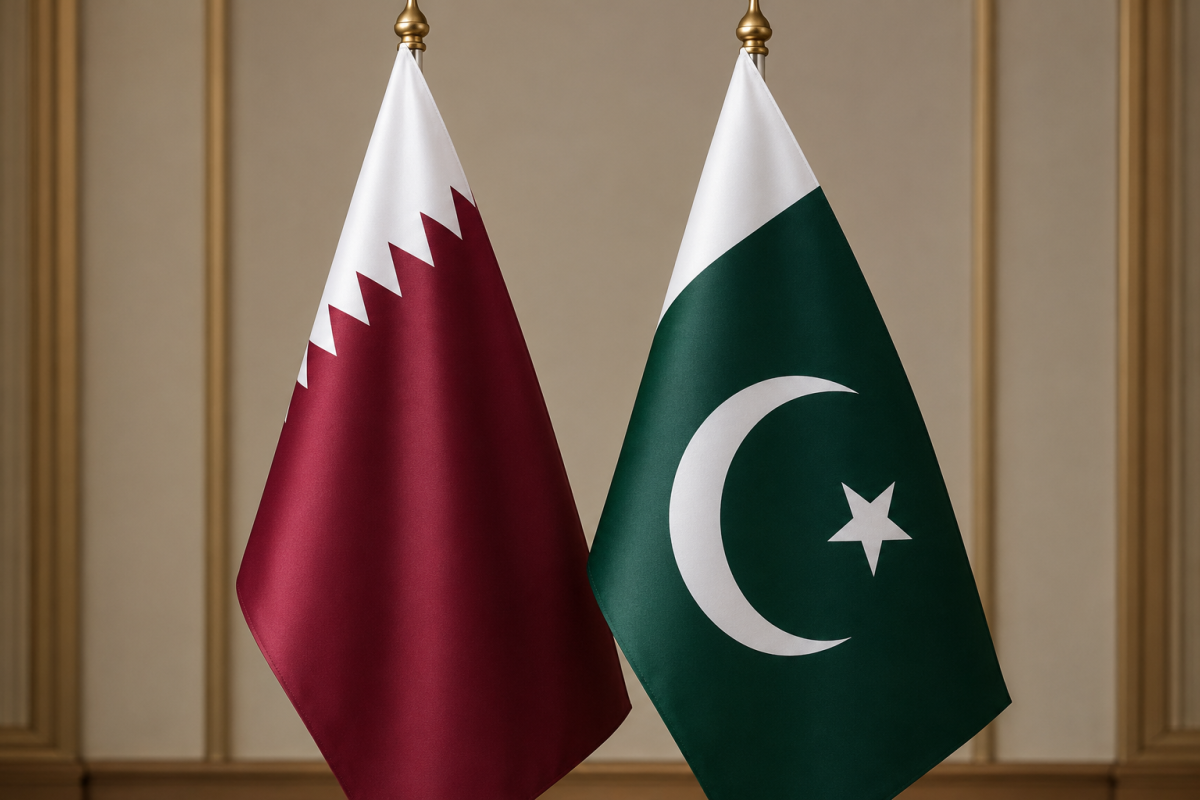
Qatar and Pakistan Lead Mediation Efforts
Regional officials said Qatar and Pakistan are leading negotiations aimed at bringing Washington and Tehran back to the negotiating table.
The primary goal is to revive the interim ceasefire agreement reached earlier this year and reduce the risk of further military escalation.
Although both sides remain engaged through intermediaries, Iranian officials said there are currently no direct negotiations with the United States.
Strait of Hormuz Remains Central to Talks
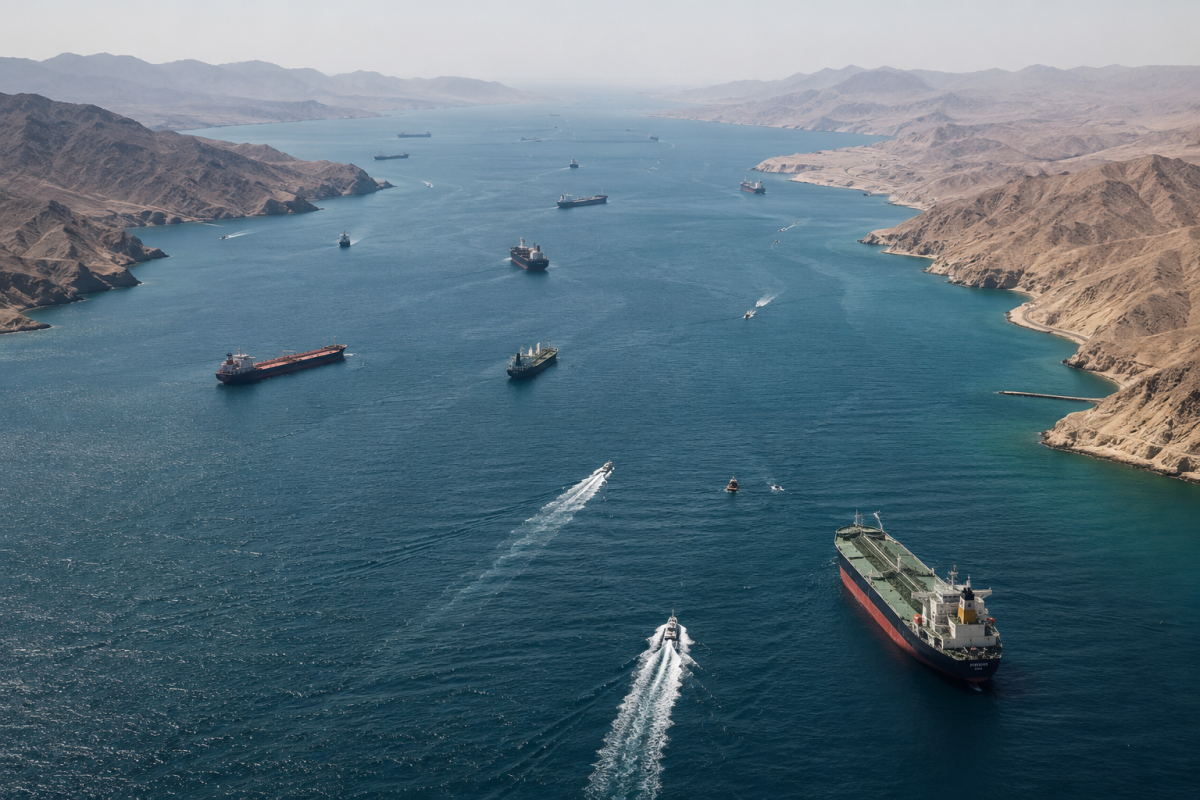
One of the main issues under discussion is the future management of shipping through the Strait of Hormuz, a vital route for global oil exports.
Iran confirmed it has been holding discussions with neighboring Oman on creating a mechanism to ensure safe navigation while protecting the interests of both countries.
However, Iranian officials said the waterway remains closed and emphasized that any future arrangement must respect Iran's sovereignty and national security.
Military Activity Has Paused, But Tensions Persist
While airstrikes have stopped temporarily, military forces remain on alert.
The U.S. military said its naval blockade involving Iran continues, with commercial vessels being redirected and maritime operations closely monitored.
Regional officials cautioned that the current pause does not guarantee a lasting ceasefire, as major disagreements—including Iran's nuclear program—remain unresolved.
Shipping and Energy Markets Continue to Feel Pressure
Commercial shipping through the Strait of Hormuz remains significantly below normal levels.
Maritime authorities reported that traffic through the strategic waterway has fallen to its lowest point in three weeks, although no new attacks on commercial vessels have been confirmed in recent days.
Meanwhile, concerns also persist over the Bab el-Mandeb Strait after threats against shipping in the Red Sea, keeping global energy markets on edge.
Israel and Regional Security Remain in Focus
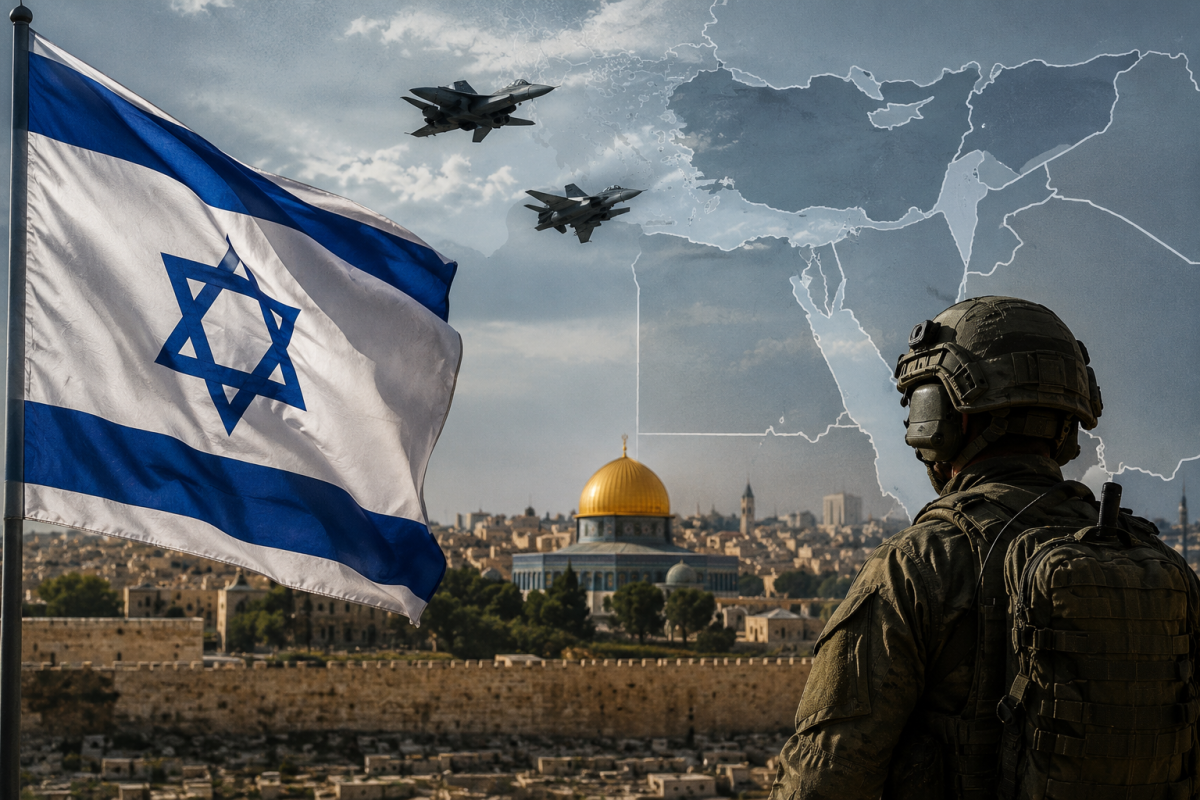
Israeli Prime Minister Benjamin Netanyahu is expected to meet President Donald Trump in Washington to discuss Iran and broader regional security developments.
Separately, tensions expanded beyond the Gulf after Iran criticized Ukraine over an alleged attack on an Iranian-linked vessel in the Caspian Sea, accusing Kyiv of escalating the conflict.
These developments highlight the increasingly complex regional dynamics surrounding the ongoing crisis.
What's Next
Diplomatic mediators will continue working to restore the interim ceasefire and encourage direct negotiations between the United States and Iran. Markets and regional governments will closely monitor whether the current pause in fighting evolves into a longer-term agreement or whether military operations resume.
FAQ
Why have attacks between the U.S. and Iran paused?
Both countries have gone three consecutive days without reporting new strikes while regional mediators work to revive diplomatic negotiations.
Which countries are leading the mediation efforts?
According to regional officials, Qatar and Pakistan are playing key roles in facilitating indirect discussions between Washington and Tehran.
Are the U.S. and Iran holding direct talks?
No. Iranian officials said messages are being exchanged through mediators, but there are currently no direct negotiations with the United States.
Why is the Strait of Hormuz important?
The Strait of Hormuz is one of the world's most important oil shipping routes, making its security essential for global energy supplies and international trade.
Has a permanent ceasefire been reached?
No. Negotiations are ongoing, and several major issues—including Iran's nuclear program and maritime security—still need to be resolved before a lasting agreement can be achieved.