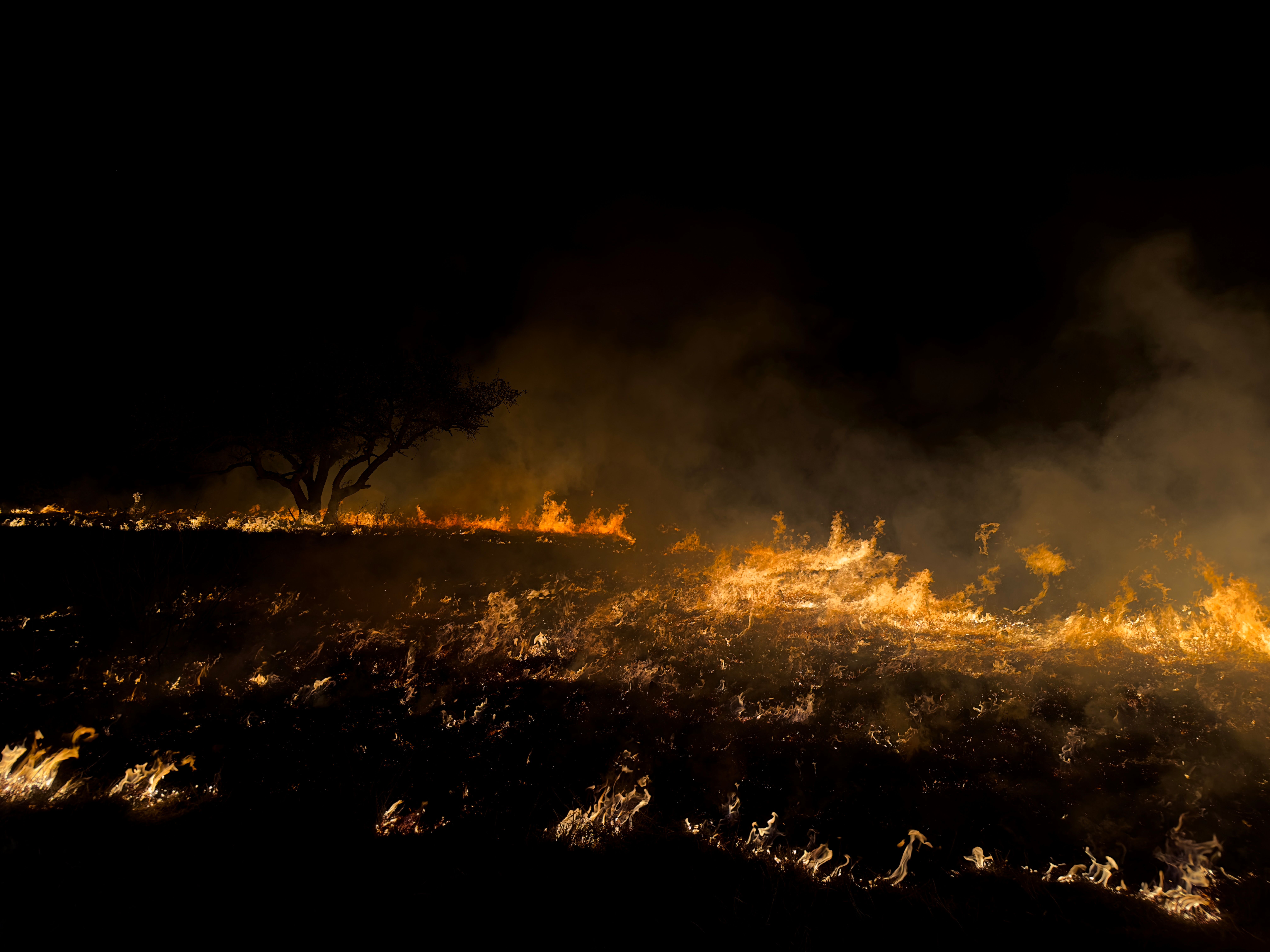
Little Fire Grows Past 1,000 Acres Near Pleasanton as Evacuations Remain in Effect
A fast-moving wildfire burning south of Pleasanton in Alameda County has expanded to more than 1,000 acres, prompting evacuation orders across parts of Pleasanton and Sunol. Firefighters continue battling challenging conditions, including hot weather and difficult terrain, while authorities work to protect nearby communities and monitor air quality across the East Bay.
Little Fire Rapidly Expands in Alameda County
The Little Fire ignited Tuesday afternoon near Little Valley Road and Hubbard Lane, south of Pleasanton, before spreading rapidly through dry vegetation.

Within hours, the wildfire grew from a small brush fire to more than 1,000 acres, prompting an escalating emergency response as crews worked to slow its advance.
Officials reported the fire was 10% contained by late Tuesday evening.
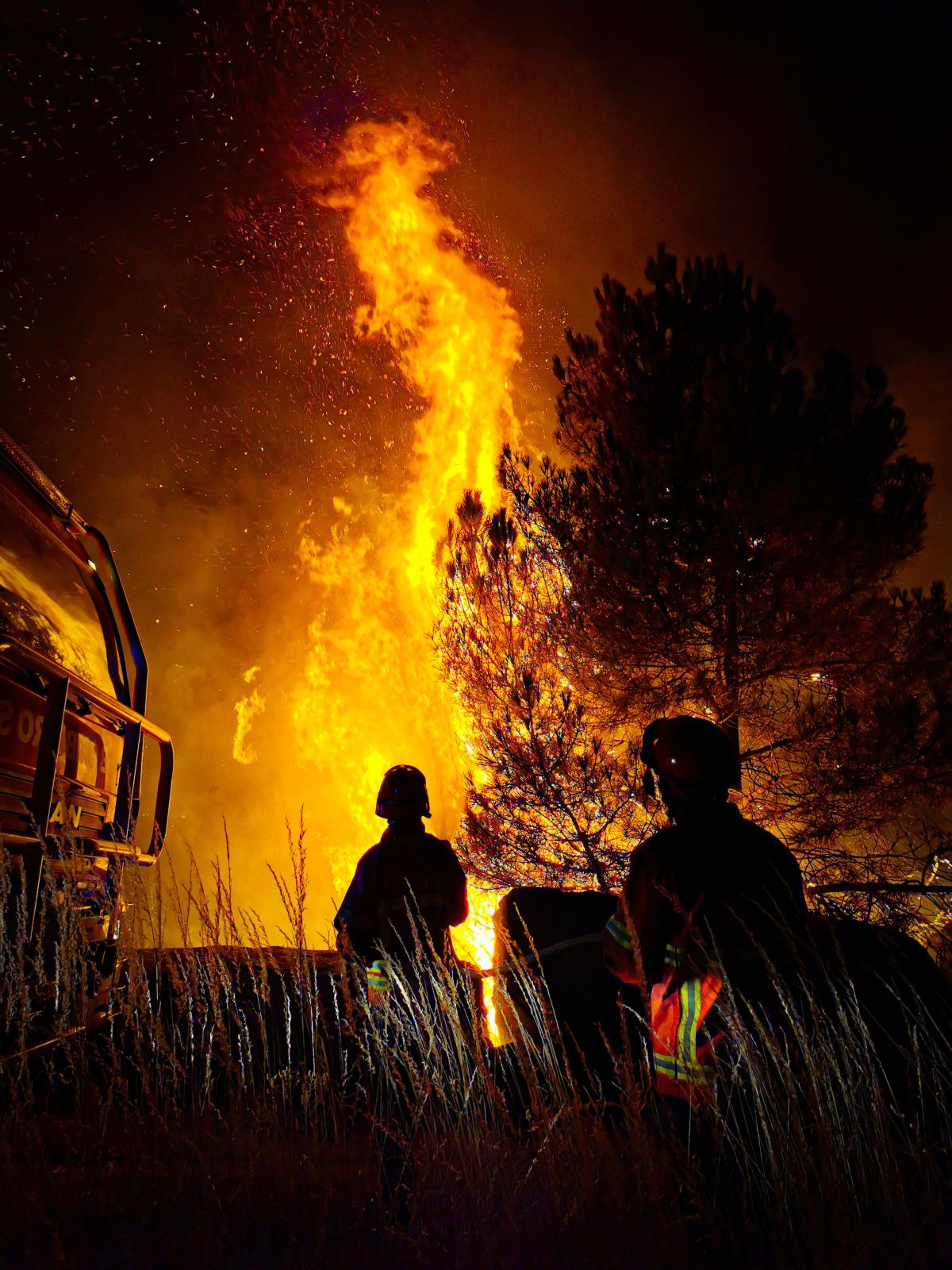
Evacuation Orders Issued for Pleasanton and Sunol
Emergency officials ordered evacuations for multiple neighborhoods as the fire threatened homes and surrounding communities.
Several evacuation zones in Pleasanton and Sunol were placed under mandatory evacuation orders, while other nearby areas initially received warnings before conditions worsened.

Authorities later lifted some evacuation orders after fire activity eased in certain locations, though several zones remained under mandatory evacuation status overnight.
Firefighters Face Difficult Conditions
Fire crews continue working under challenging conditions created by hot temperatures, rugged terrain, and limited access to the fire area.
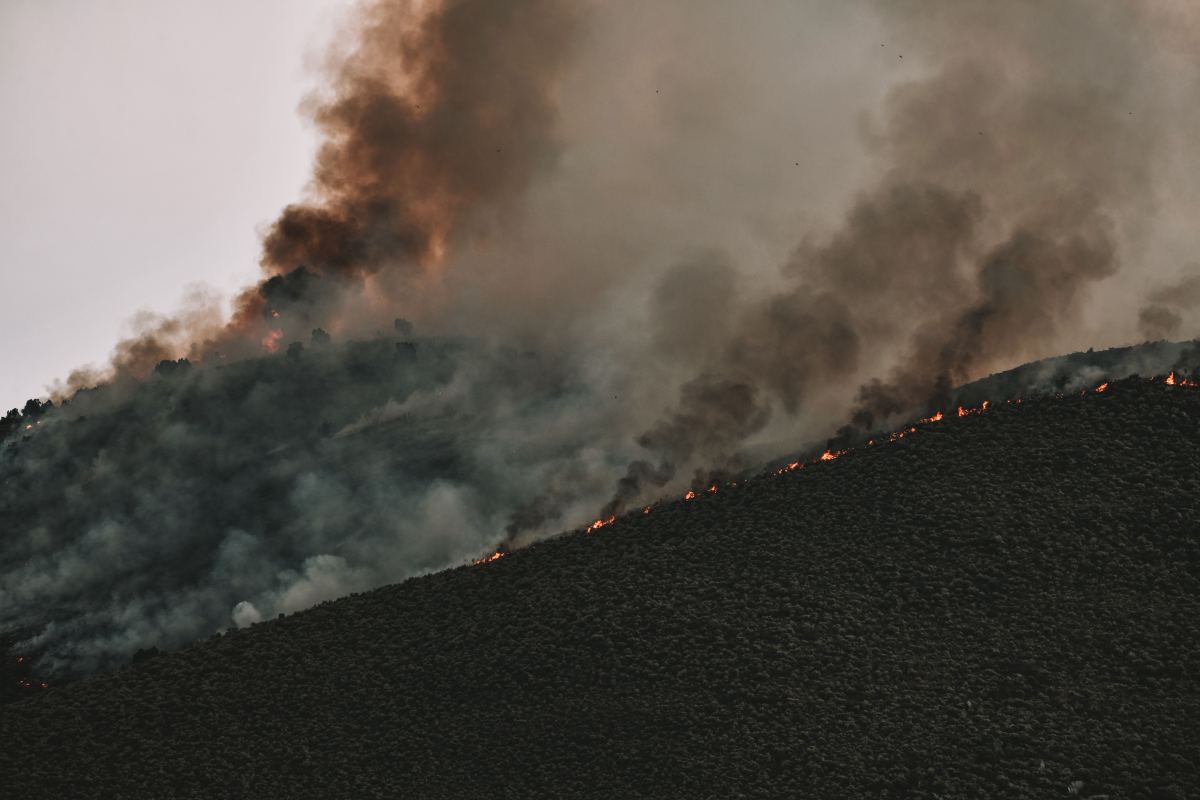
Ground crews, fire engines, bulldozers, helicopters, and air tankers have been deployed to contain the wildfire through a unified response involving Cal Fire and the Alameda County Fire Department.
Additional mutual aid resources, including firefighters from neighboring agencies, have also been sent to support suppression efforts.
Firefighter Injured During Response
Officials confirmed that at least one firefighter was injured while responding to the Little Fire.
No additional information regarding the extent of the injury has been released.
Authorities have also not yet determined the cause of the wildfire, and the investigation remains ongoing.
Temporary Shelter Available for Evacuated Residents
Residents forced to leave their homes have been directed to a temporary evacuation shelter established at the Pleasanton Senior Center.
Local officials also announced that emergency lodging assistance is available through regional support programs for displaced residents needing longer-term accommodations.
Smoke Impacts East Bay Air Quality
Smoke from the Little Fire has spread across portions of the East Bay, prompting health officials to advise residents to remain aware of changing air quality conditions.
While pollution levels were not expected to exceed federal health standards at the time of the latest update, officials encouraged people in affected areas to monitor local air quality reports and reduce outdoor exposure if heavy smoke develops.
Firefighting Efforts Continue
Containment operations remain underway as firefighters work to protect homes, strengthen containment lines, and prevent additional fire growth.
Authorities continue monitoring weather conditions and fire behavior while asking residents in affected communities to stay informed about evacuation updates and emergency alerts.
FAQ
Where is the Little Fire burning?
The wildfire is burning near Little Valley Road and Hubbard Lane, south of Pleasanton in Alameda County, close to the Sunol area.
How large is the Little Fire?
As of the latest update, the fire has burned more than 1,000 acres and remains only partially contained.
Are evacuation orders still in effect?
Yes. While some evacuation orders have been lifted, mandatory evacuation orders remain active for several areas near Pleasanton and Sunol.
Has anyone been injured?
Officials confirmed that one firefighter was injured while battling the wildfire. No civilian injuries have been reported.
What is making the fire difficult to control?
Firefighters are facing hot weather, dry vegetation, rugged terrain, and limited access, making suppression efforts more challenging.