Lindsey Graham Dies at 71 After Sudden Illness, Leaving a Lasting Mark on U.S. Politics
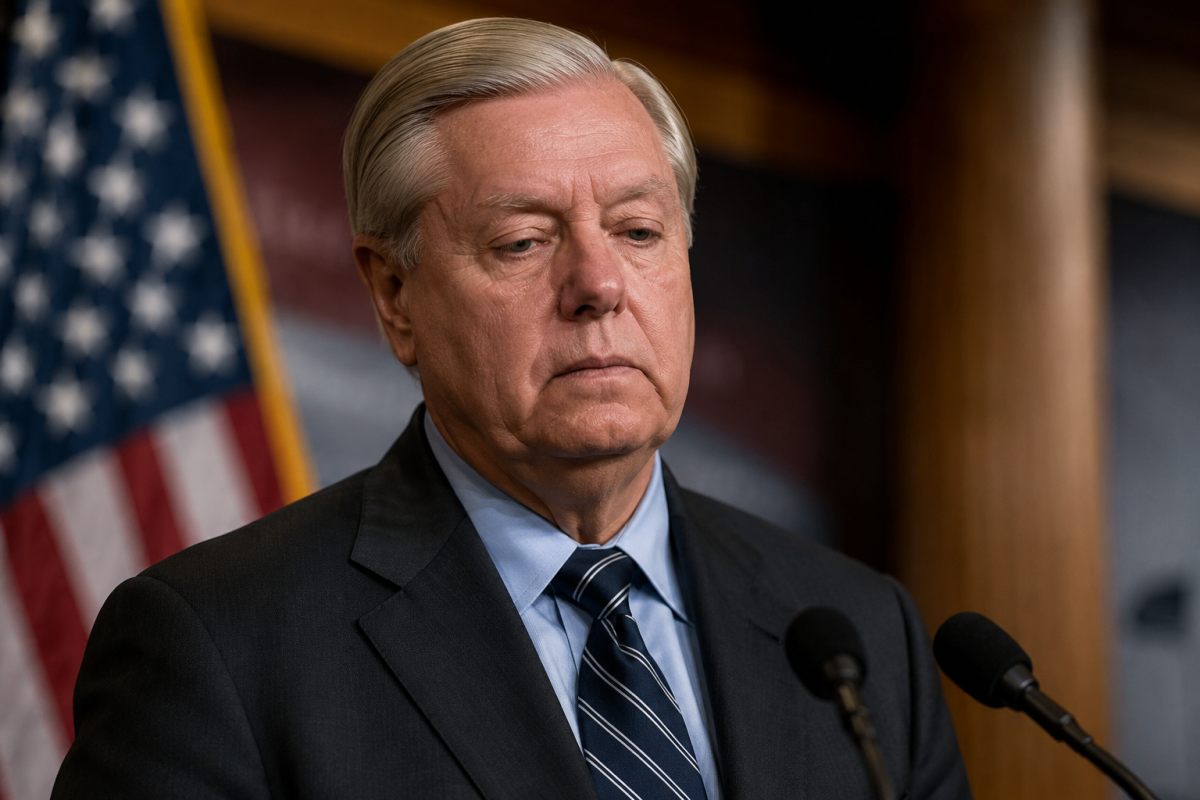
Republican Sen. Lindsey Graham, one of President Donald Trump's closest allies and one of the most influential voices in U.S. foreign policy, has died at the age of 71 after what his office described as a "brief and sudden illness."
Graham passed away Saturday evening, just one day after returning from a diplomatic trip to Ukraine, where he met with President Volodymyr Zelensky. According to his spokesman, preliminary findings from the medical examiner indicate that Graham died from a ruptured aorta, a life-threatening condition involving the body's main artery.

His death marks the end of a political career that spanned more than two decades in the U.S. Senate and leaves a vacancy in South Carolina ahead of this year's midterm elections.
Trump Pays Tribute to a Trusted Ally
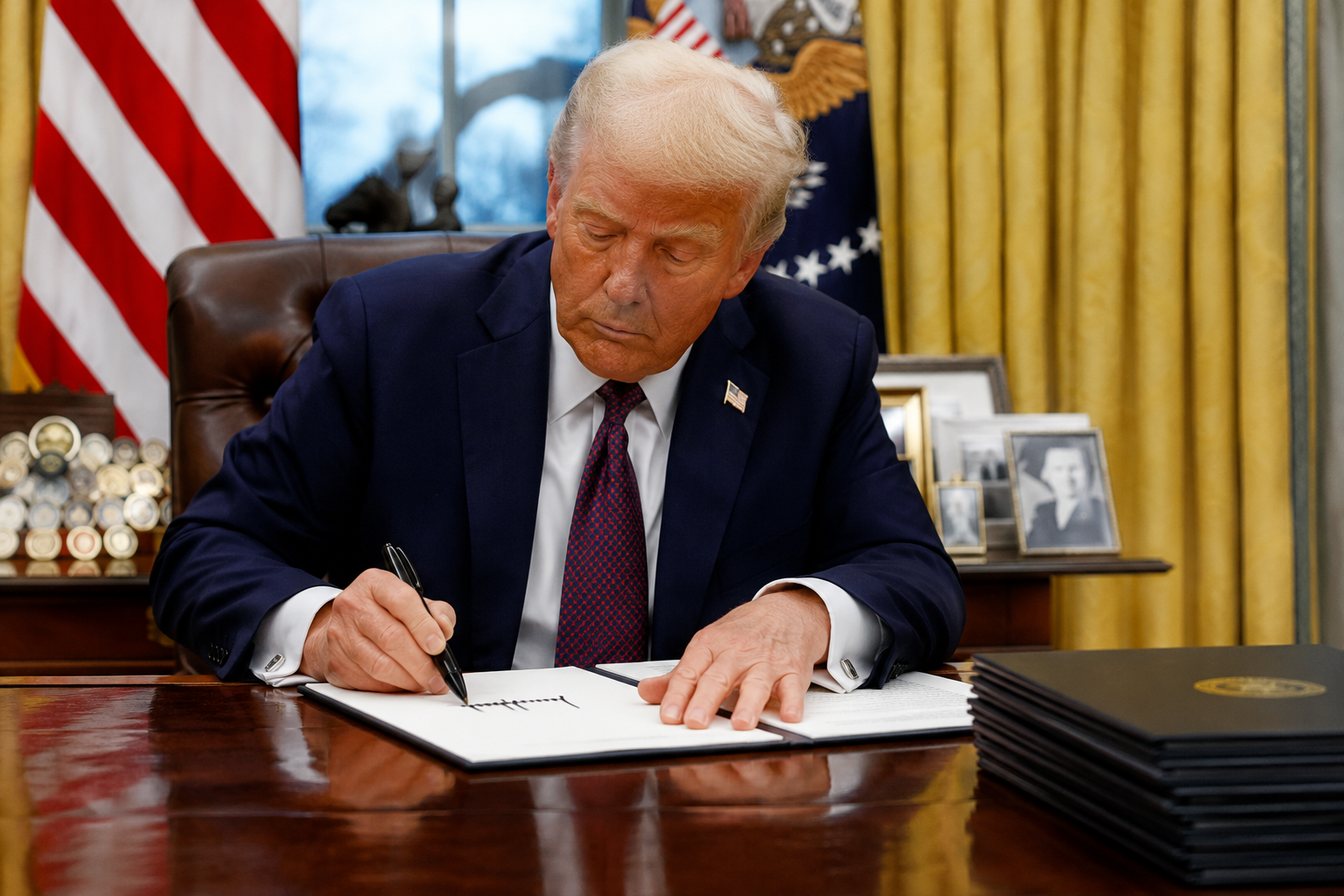
President Donald Trump called Graham "a true American patriot" and praised his years of public service.
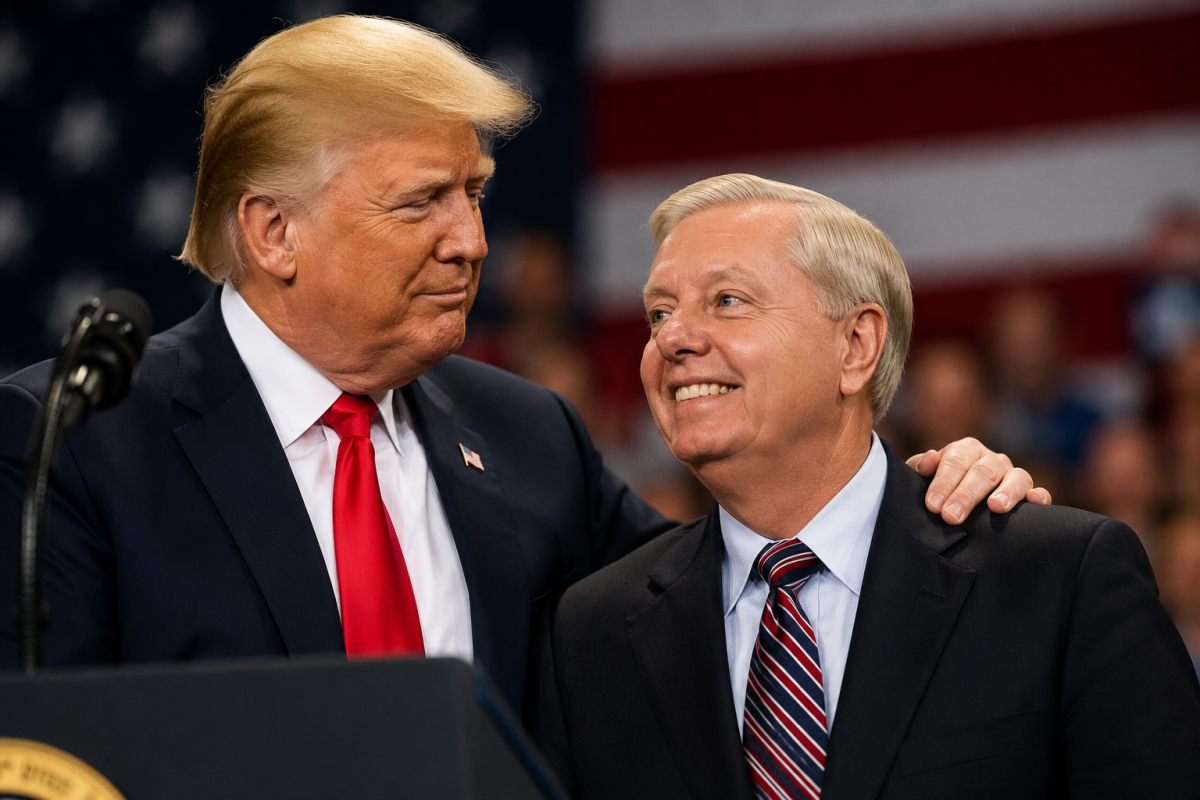
Speaking to NBC News, Trump said he had spoken with Graham just hours before his death.
"He sounded great, just a little tired," Trump said.

"He was a tough cookie in many ways. If he believed he was right, he fought hard. But he was a good person, and he'll be greatly missed."
Although Graham was once one of Trump's harshest Republican critics during the 2016 presidential campaign, the two later developed a close political alliance that shaped much of the Republican Party's foreign policy and national security agenda.
From Trump Critic to One of His Closest Supporters
Graham's relationship with Trump evolved dramatically over the past decade.
During the 2016 Republican primary, Graham famously described Trump as a "race-baiting, xenophobic, religious bigot" and warned Republicans against nominating him.
Following the January 6, 2021, Capitol riot, Graham initially distanced himself from Trump, declaring on the Senate floor:
"Enough is enough."
However, he later backed Trump during his 2024 presidential campaign, citing his policies on border security, judicial appointments, and national defense.
By the end of his career, Graham had become one of Trump's most visible allies in Congress.
A Leading Voice on National Security
Throughout his Senate career, Graham built a reputation as one of Washington's strongest advocates for an assertive U.S. foreign policy.
He consistently supported:
-
Military aid for Ukraine
-
Strong U.S.-Israel relations
-
Tough sanctions against Russia
-
Military action against Iraq after the September 11 attacks
-
Maintaining U.S. military involvement in Afghanistan
He also backed a hardline approach toward Iran and recently warned that the United States should respond forcefully if Tehran threatened shipping through the Strait of Hormuz.
Zelensky and Netanyahu Lead Global Tributes
World leaders quickly honored Graham following news of his death.
Ukrainian President Volodymyr Zelensky, who met with Graham just a day before he died, described him as a determined supporter of Ukraine.
"America and the world have lost a determined leader," Zelensky wrote.
Israeli Prime Minister Benjamin Netanyahu also paid tribute, calling Graham one of Israel's strongest supporters in Washington.
"Lindsey understood that the security of Israel and America are inseparable," Netanyahu said.
Personal Loss Shaped His Early Life
Before entering politics, Graham experienced profound personal tragedy.
While attending college, he lost both of his parents within two years and took responsibility for raising his younger sister, eventually becoming her legal guardian.
After earning a law degree, he served in the U.S. Air Force as both a military prosecutor and defense attorney before entering public office.
Graham was elected to the U.S. Senate in 2002 and remained one of South Carolina's most recognizable political figures throughout his career.
What Happens Next?
South Carolina Gov. Henry McMaster will appoint a temporary replacement to fill Graham's Senate seat until voters elect a successor during November's midterm elections.
Before Graham's passing, Republicans held a 53-47 majority in the Senate, making the upcoming election even more significant as both parties compete for control of the chamber.
His death also comes as another Republican senator, Mitch McConnell, remains hospitalized with an undisclosed medical condition.
Lindsey Graham leaves behind a political legacy defined by decades of influence on U.S. national security, bipartisan relationships in the Senate, and an unlikely transformation from outspoken Trump critic to one of the president's closest congressional allies.