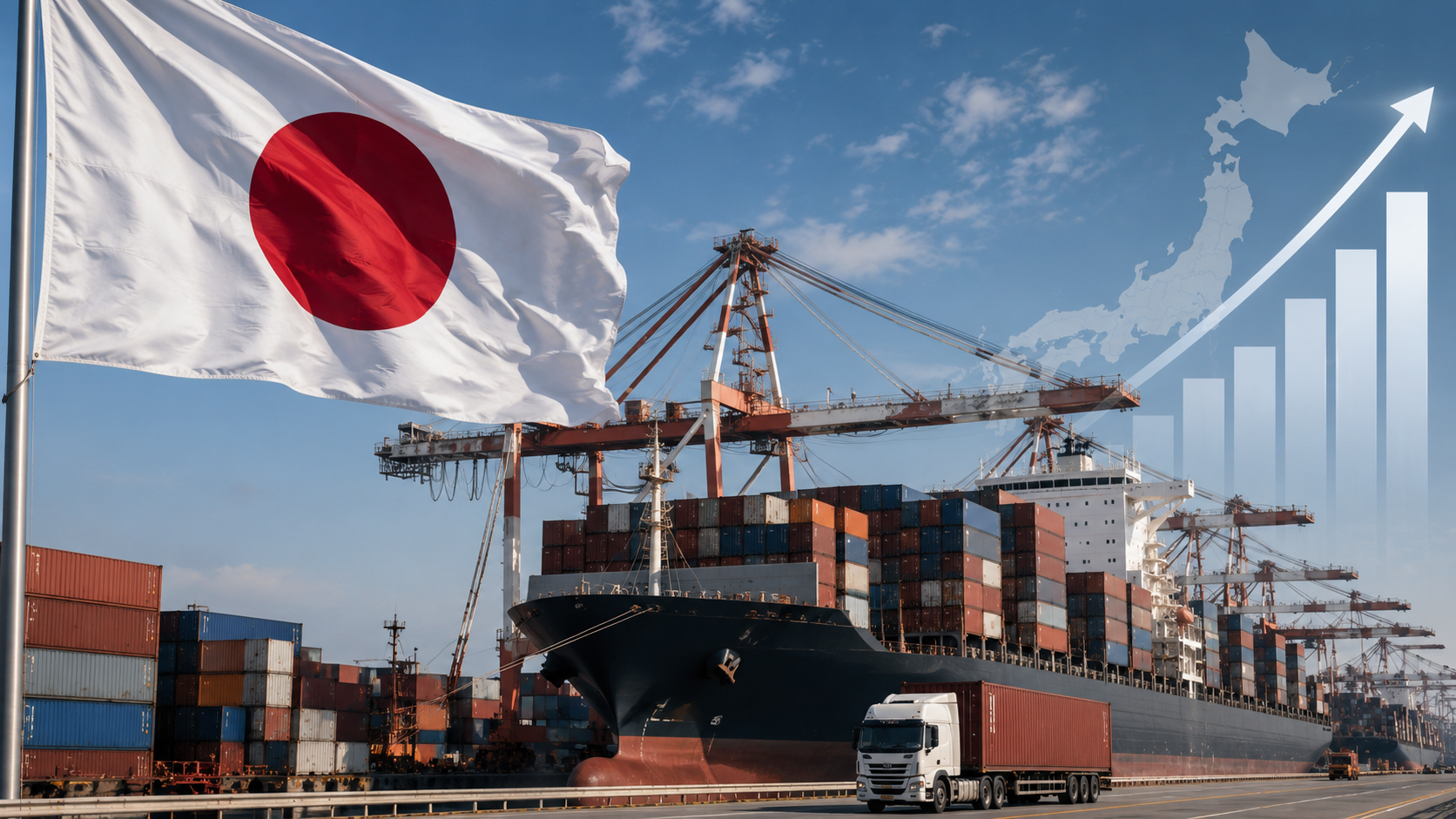
Japan Exports Surge 19.3% in June, Beating Forecasts Despite Wider Trade Deficit
Japan's exports continued their strong momentum in June, rising 19.3% from a year earlier and surpassing market expectations. The latest government data marks the country's tenth consecutive month of export growth, driven by resilient overseas demand. However, faster growth in imports resulted in a larger-than-expected trade deficit, highlighting ongoing challenges for the world's fourth-largest economy.
Japan's Exports Extend Growth Streak
Japan's exports increased 19.3% year over year in June, according to data released by the Ministry of Finance.
The latest figures exceeded economists' expectations of an 18.6% increase and marked the tenth straight month of annual export growth.
The sustained expansion reflects continued demand for Japanese goods in overseas markets despite global economic uncertainties.

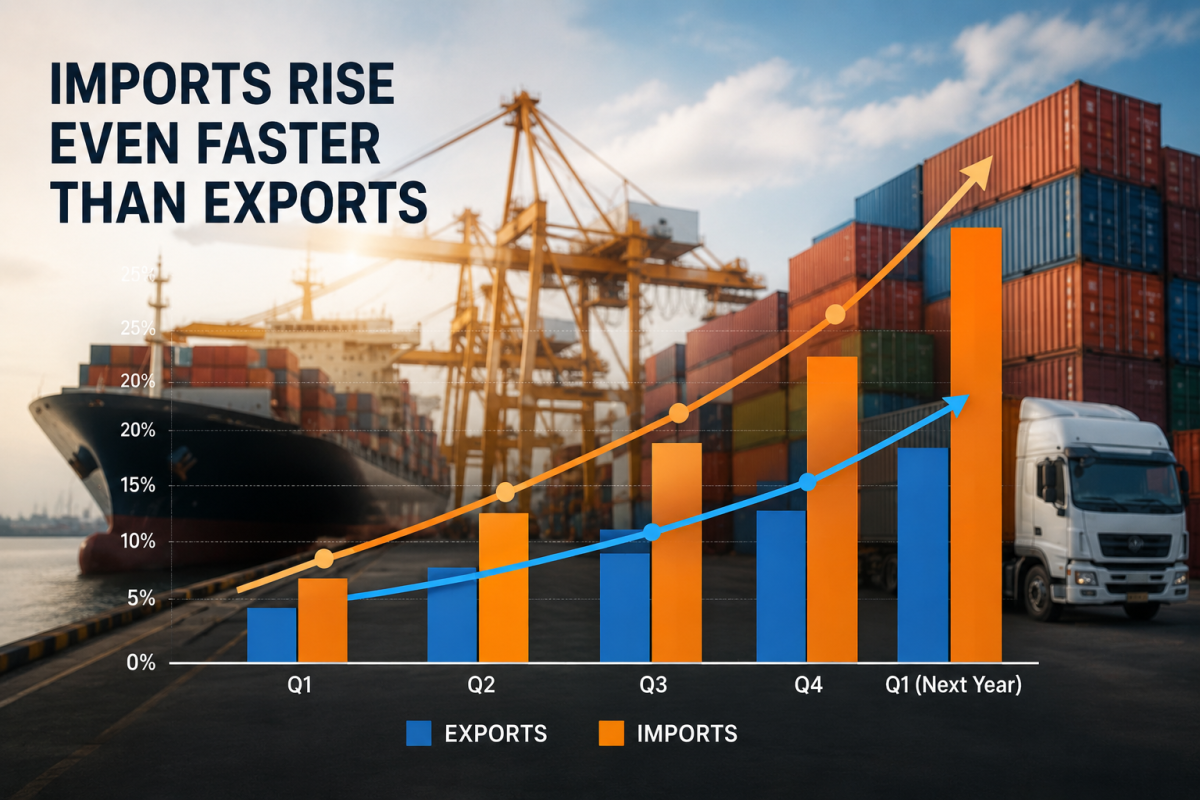
Imports Rise Even Faster Than Exports
Japan's imports climbed 25.4% compared with June last year, outpacing export growth.
Economists had forecast imports to increase by 21%, making the actual result significantly stronger than expected.

Higher import growth contributed to a widening gap between the value of goods entering and leaving the country.
Trade Deficit Larger Than Forecast
Despite robust export performance, Japan recorded a trade deficit of 406.9 billion yen (approximately $2.49 billion) in June.
The shortfall was substantially larger than analysts' forecast of a 120 billion yen deficit, reflecting the faster pace of import growth.
A trade deficit occurs when the value of imports exceeds the value of exports during a given period.
Strong Trade Activity Signals Resilient Economy
The continued rise in exports suggests Japanese manufacturers are benefiting from steady international demand.
At the same time, stronger imports may indicate healthy domestic consumption and increased demand for raw materials, energy, and industrial goods.
Economists will continue monitoring upcoming trade data to assess whether export momentum can offset the impact of rising import costs.
What Investors Will Watch Next
Financial markets are expected to closely monitor Japan's upcoming economic indicators, including industrial production, inflation, and business activity.
Trade performance remains an important measure of the country's economic health and could influence future policy decisions by Japanese authorities.
FAQ
How much did Japan's exports increase in June 2026?
Japan's exports rose 19.3% year over year in June 2026, exceeding economists' expectations.
How long has Japan's export growth continued?
June marked the tenth consecutive month of annual export growth.
How much did imports increase?
Imports increased 25.4% compared with the same month a year earlier, surpassing market forecasts.
What was Japan's trade balance in June?
Japan recorded a trade deficit of 406.9 billion yen (about $2.49 billion) because imports grew faster than exports.
Why did Japan post a trade deficit despite strong exports?
Although exports grew strongly, imports increased at an even faster pace, causing the value of imported goods to exceed export earnings.