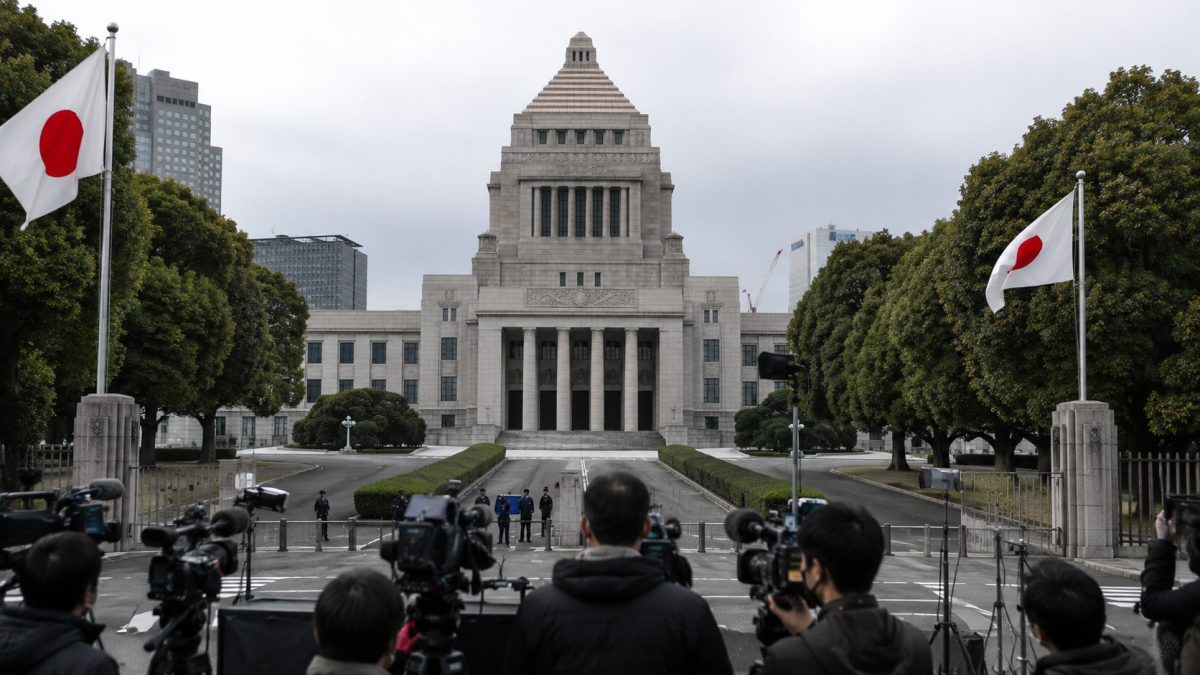
Japan Enacts Male-Only Imperial Succession Law, Sparking Debate
Japan has approved a major revision to its Imperial House Law that reinforces the country's long-standing tradition of male-only succession while introducing measures intended to address the shrinking size of the imperial family.
The legislation, passed by parliament on Friday, has reignited a national debate over the future of one of the world's oldest hereditary monarchies. Supporters argue the law protects centuries of imperial tradition, while critics say it excludes qualified female royals and limits the monarchy's long-term stability.
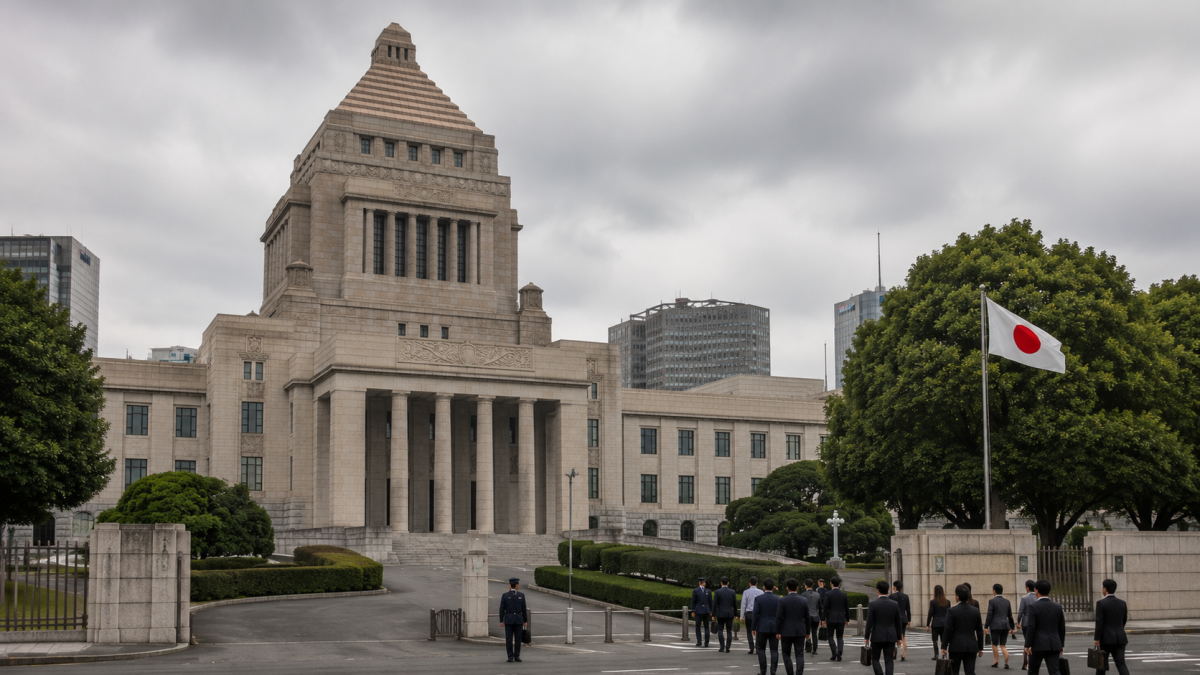
New Law Reinforces Male Succession
The revised law maintains that only men descended through the paternal imperial line can inherit the Chrysanthemum Throne.
To help secure future heirs, lawmakers approved a provision allowing eligible male descendants from former imperial branch families to be adopted into the royal household. These relatives lost their royal status after World War II when Japan reduced the size of the imperial family.

The legislation also allows female members of the imperial family to retain their royal status after marrying commoners. However, their spouses and children will not become members of the imperial family or enter the line of succession.
Princess Aiko Remains Excluded
The new law means Princess Aiko, the only child of Emperor Naruhito and one of Japan's most popular royals, remains ineligible to become emperor because she is female.

Under the current succession order, the throne would pass to Crown Prince Akishino, followed by his son Prince Hisahito, who is currently the youngest male member of the imperial family eligible for succession.
The decision has disappointed many Japanese who support allowing women to inherit the throne, pointing to historical examples of female emperors and changing public attitudes toward gender equality.

Concerns Over the Future of the Imperial Family
Japan's imperial household has steadily declined in size over recent decades as female royals traditionally lose their status after marrying commoners.
Only a handful of male members remain within the imperial family, raising concerns among constitutional experts and historians about the monarchy's long-term future.
Supporters of reform argue that allowing female succession would provide a more sustainable solution than relying on distant paternal relatives to preserve the imperial bloodline.
Tradition Versus Modern Society
The succession debate reflects a broader discussion in Japan about balancing historical traditions with modern social values.
Conservative lawmakers maintain that uninterrupted paternal succession is central to the legitimacy of the imperial institution. Critics, however, argue that the monarchy can preserve its symbolic role while adapting to contemporary expectations regarding gender equality.
Public opinion surveys in recent years have shown significant support for allowing Princess Aiko or future female descendants to become emperor, though lawmakers have remained divided on the issue.
As discussions continue, the latest reforms ensure that Japan's succession rules remain among the most restrictive of any constitutional monarchy in the world.
Whether future governments revisit the question of female succession is likely to depend on both demographic realities and shifting public opinion in the years ahead.