Israel Election 2026: Gadi Eisenkot Emerges as Strong Challenger to Benjamin Netanyahu
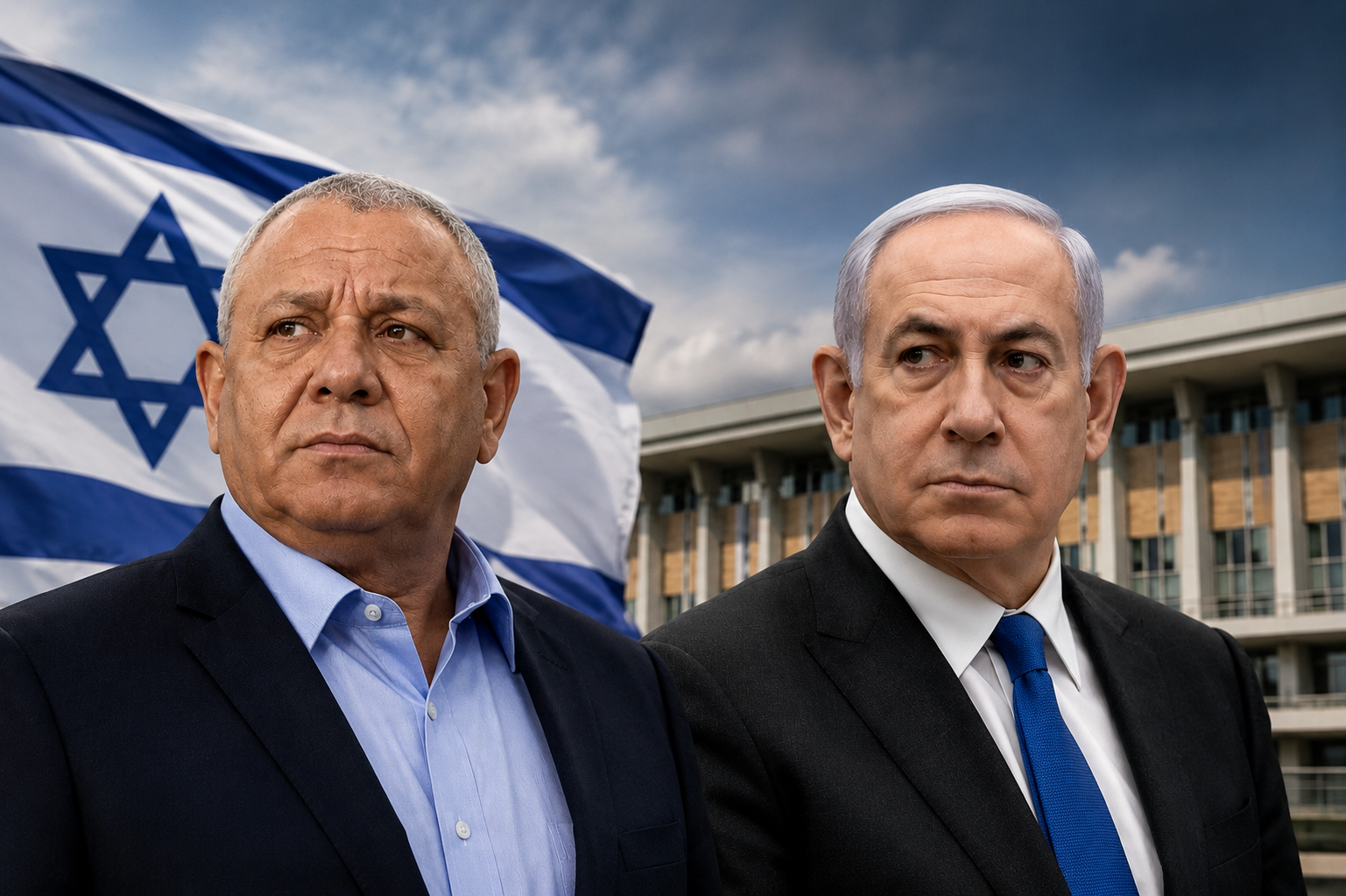
Israel's political landscape is shifting ahead of the October 2026 general election as retired military chief Gadi Eisenkot gains momentum against longtime Prime Minister Benjamin Netanyahu. Rising public frustration over the prolonged war, internal political divisions, and growing demands for accountability have strengthened Eisenkot's newly formed Yashar party, setting up one of the most closely watched elections in recent Israeli history.
Netanyahu Faces Growing Political Pressure
Benjamin Netanyahu, Israel's longest-serving prime minister, enters the election campaign amid declining public support.
Recent opinion polls suggest a growing number of Israelis favor former military chief Gadi Eisenkot for the country's top leadership position. Analysts attribute the changing political mood to ongoing security challenges, coalition tensions, and widespread dissatisfaction following the October 2023 Hamas attack.
The upcoming election is expected to be one of the most competitive contests of Netanyahu's political career.
War Fatigue Reshapes Public Opinion
Israel has remained engaged in multiple regional conflicts since the October 2023 attacks, with military operations expanding beyond Gaza.
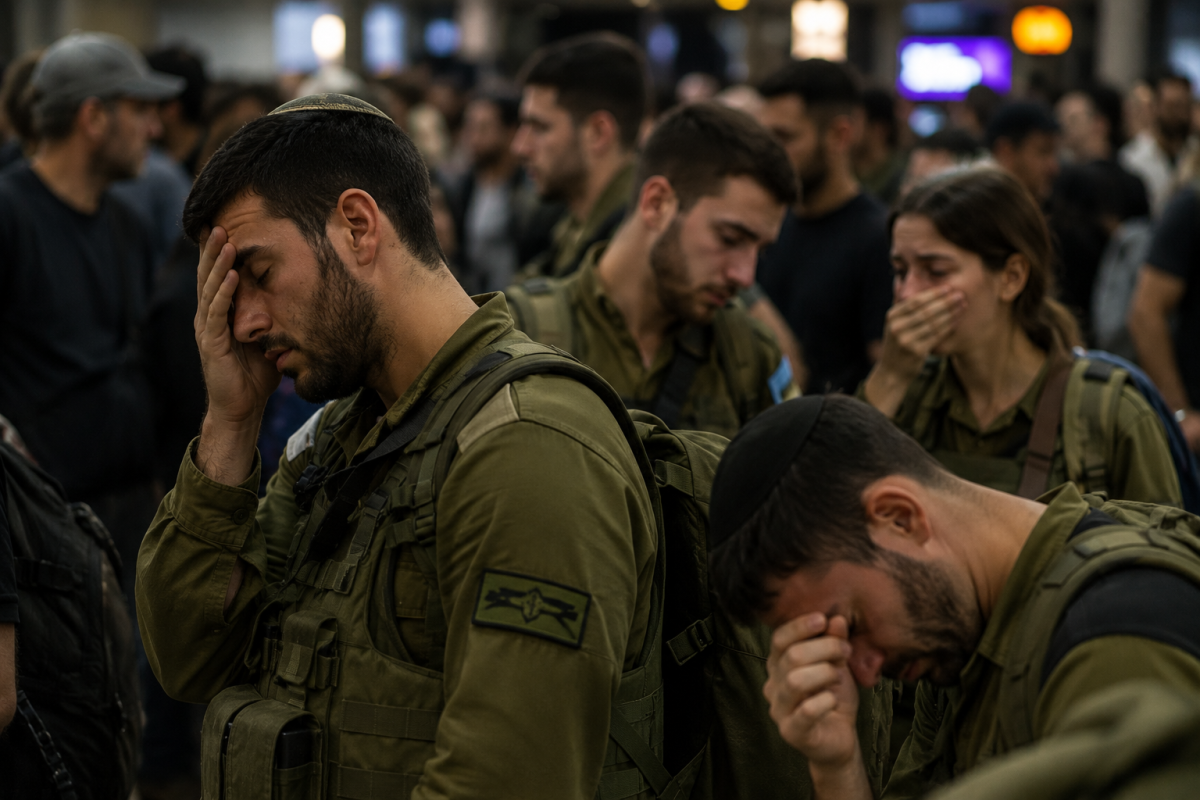
Repeated mobilization of reserve forces has placed increasing pressure on Israeli society, while concerns over troop shortages and military readiness have intensified.
The prolonged conflict has contributed to growing public fatigue and increased scrutiny of the government's wartime leadership.
Calls for Accountability Continue to Grow
Critics argue that Netanyahu has resisted accepting political responsibility for the security failures surrounding the October 2023 attacks.
Several senior defense and security officials have stepped down since the crisis, while demands for an independent national inquiry continue to grow.
At the same time, Netanyahu remains involved in ongoing legal proceedings involving corruption-related charges, which he denies.
Coalition Divisions Weaken the Government
Internal disagreements have added further pressure on Netanyahu's governing coalition.
One of the most contentious issues remains military service exemptions for many ultra-Orthodox (Haredi) men. Recent legislation related to conscription sparked political disputes, legal challenges, and resignations within the governing alliance.
These divisions have raised new questions about the coalition's long-term stability.
Who Is Gadi Eisenkot?
Gadi Eisenkot is a retired Israeli military commander who served as Chief of Staff of the Israel Defense Forces (IDF) from 2015 to 2019.
Born into a working-class Moroccan Jewish family, Eisenkot spent decades in military service, leading major defense operations and previously commanding Israel's Northern Command.
Following the October 2023 conflict, he joined Israel's wartime cabinet before resigning in 2024 over strategic disagreements regarding the government's approach to the war.
Yashar Party Focuses on Security and Reform
After leaving parliament, Eisenkot launched the Yashar party with a platform centered on national security, government accountability, and institutional reform.
The party supports establishing an independent commission to investigate the October 2023 security failures while advocating broader national service participation, including reforms to military service policies.
Its campaign has positioned Eisenkot as an alternative to Israel's traditional political leadership.
Israel's Coalition System Could Decide the Election
Israel's parliamentary system means voters elect political parties rather than directly choosing a prime minister.
After the election, the president asks the political leader most capable of assembling a governing coalition to form the next government. A coalition must secure the support of at least 61 of the Knesset's 120 seats.
As a result, winning the most seats does not automatically guarantee forming the next government.
Tight Race Expected Ahead of October Vote
Recent polling has produced mixed results, with some surveys showing Eisenkot's Yashar party leading while others continue to place Netanyahu's Likud ahead.
Smaller parties are expected to play a decisive role in coalition negotiations after the election, making post-election alliances just as important as the final vote totals.
FAQ
Who is Gadi Eisenkot?
Gadi Eisenkot is a retired Israeli general and former Chief of Staff of the Israel Defense Forces who now leads the newly established Yashar political party.
Why is Netanyahu facing political pressure?
Public concerns over the prolonged conflict, demands for accountability following the October 2023 attacks, coalition disputes, and ongoing legal challenges have contributed to declining support.
What is the Yashar party?
Yashar is a political party founded by Gadi Eisenkot that emphasizes national security, government accountability, military reform, and an independent investigation into the October 2023 security failures.
How does Israel elect its prime minister?
Israelis vote for political parties rather than directly electing a prime minister. The country's president asks the leader most likely to secure a parliamentary majority to form a governing coalition.
Why is the 2026 election important?
The election could reshape Israeli politics by determining whether Benjamin Netanyahu remains in power or whether a new coalition led by Gadi Eisenkot can form the next government.