Iran Targets Shipping in Strait of Hormuz as U.S. Plans to Resume Naval Blockade
Tensions in the Middle East escalated again on Tuesday after Iran targeted commercial shipping in the Strait of Hormuz and the United States announced plans to resume its naval blockade of Iranian ports, deepening concerns over global energy supplies and regional security.
The renewed confrontation follows another round of U.S. military strikes and marks the latest setback to efforts aimed at preventing a broader conflict between Washington and Tehran.
Iran Targets Tankers as Conflict Intensifies
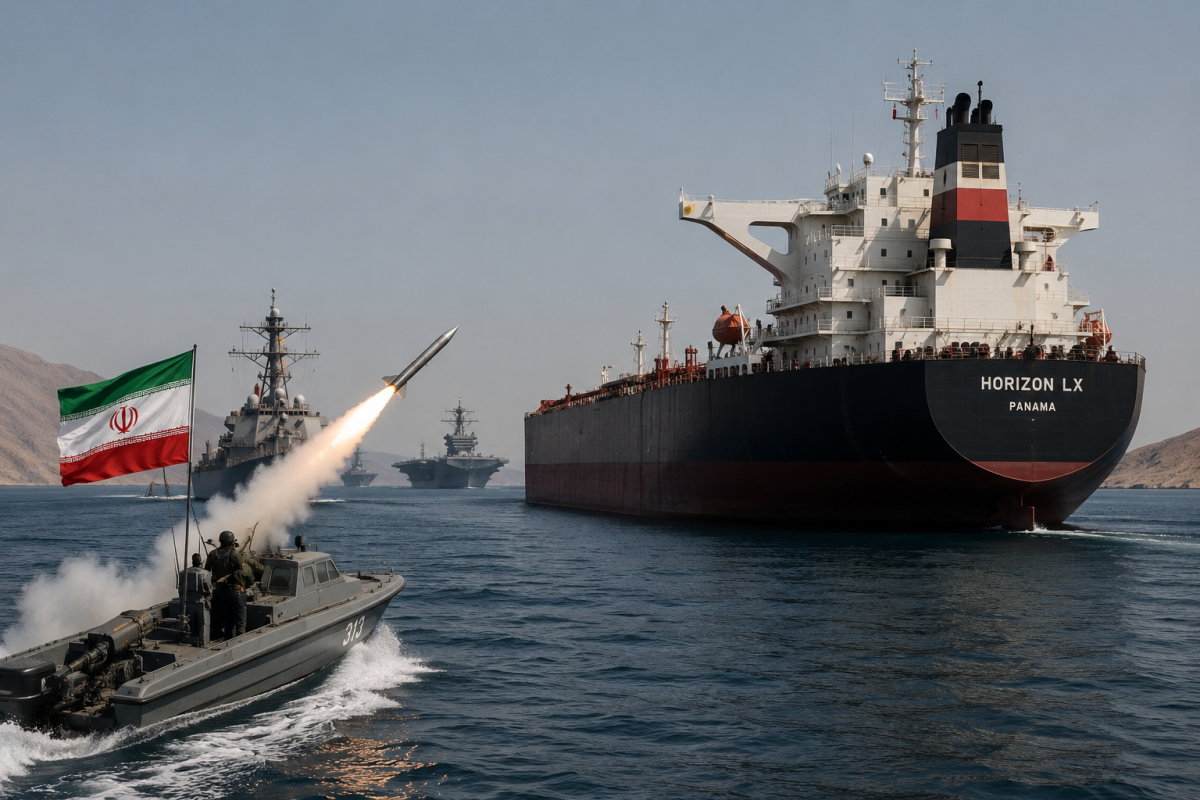
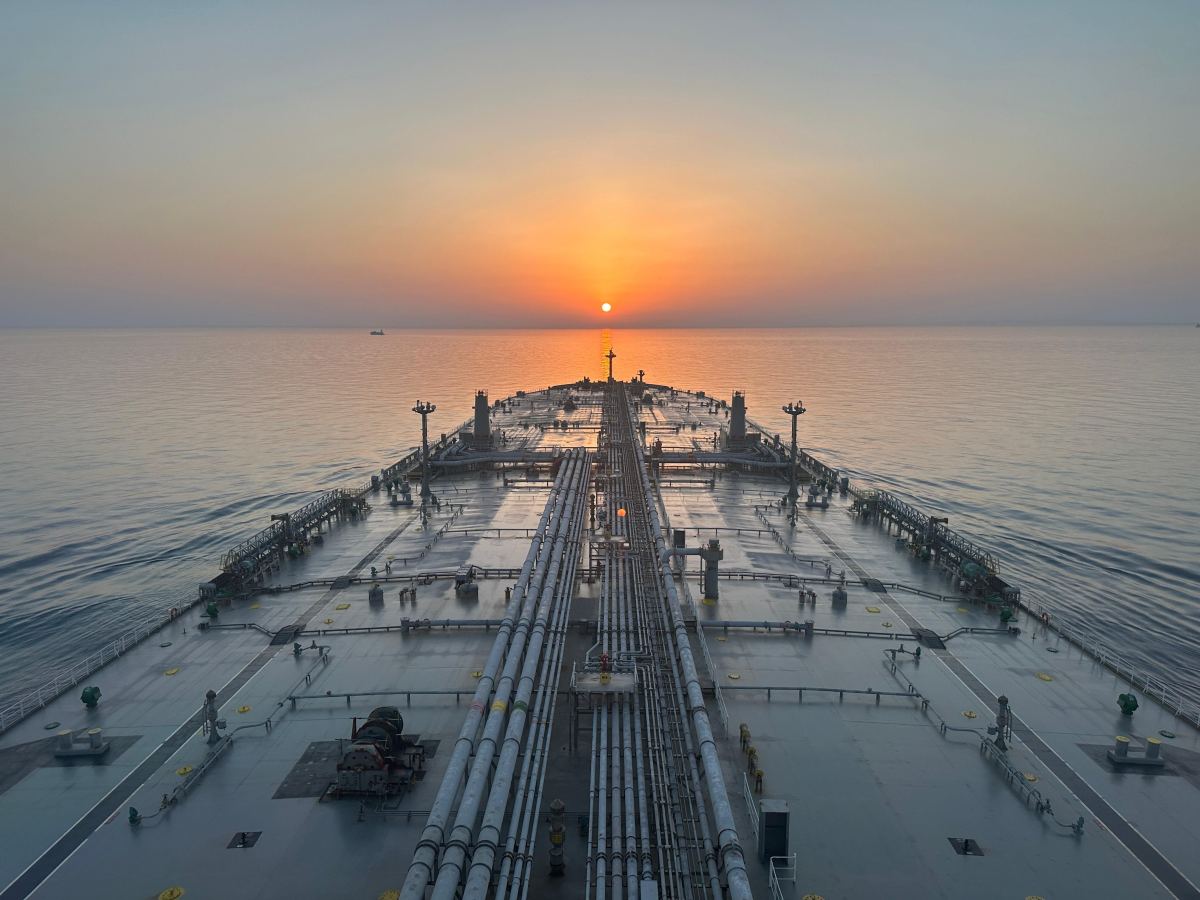
Iran reportedly targeted two UAE oil tankers operating in the Strait of Hormuz, while additional explosions were reported in an Iranian port city, according to Iranian state media.
The incidents come amid continued military exchanges between the United States and Iran, raising fresh concerns about the security of one of the world's most strategically important shipping lanes.
Iran also warned it would deliver what officials described as a "devastating response" if the United States attacks the suspected underground nuclear facility known as Pickaxe Mountain.
U.S. to Resume Naval Blockade of Iranian Ports
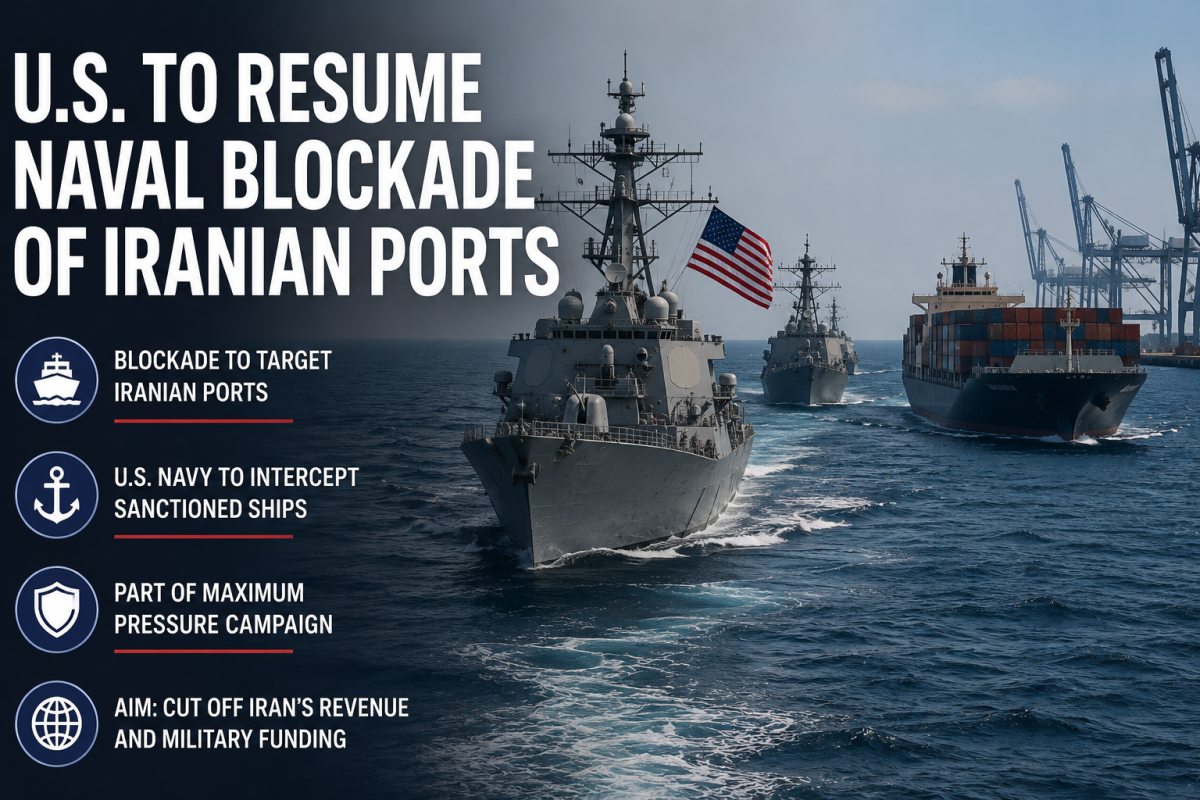
U.S. Central Command said it will restart its naval blockade of Iranian ports beginning at 4 p.m. ET on Tuesday.
President Donald Trump announced that U.S. naval forces would prevent Iranian vessels and ships conducting trade with Iran from entering or leaving Iranian ports as part of the renewed enforcement effort.
Trump also said the United States plans to impose a 20% cargo fee on commercial shipments moving through the Strait of Hormuz, describing the measure as compensation for U.S. efforts to secure the waterway.
UK Opposes Proposed Cargo Charges
The United Kingdom rejected the idea of imposing tolls on ships using the Strait of Hormuz.
A spokesperson for Prime Minister Keir Starmer's government said the waterway should remain open in accordance with international law and without charges that could disrupt global trade.
The position aligns with comments from the International Maritime Organization, which recently reiterated that international navigation through the strait should remain free of tolls and restrictions.
Why the Strait of Hormuz Matters
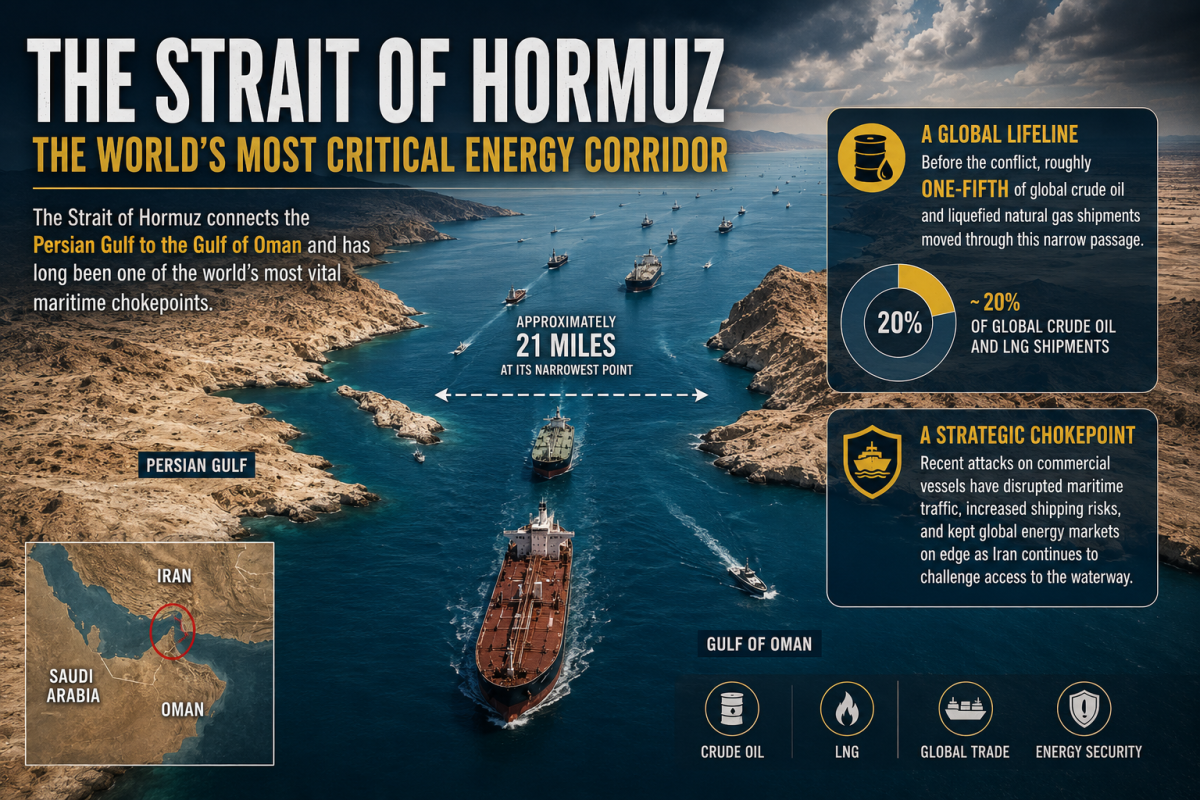
The Strait of Hormuz remains one of the world's most critical maritime trade routes, connecting the Persian Gulf with international shipping lanes.
Before the latest conflict, the narrow waterway handled roughly one-fifth of global oil and liquefied natural gas shipments, making any disruption a significant risk for global energy markets.
Concerns over supply interruptions pushed Brent crude oil prices sharply higher, with benchmark prices recording their strongest gains since mid-June.
What a Naval Blockade Means
A naval blockade is designed to restrict an adversary's ability to import supplies and export goods by controlling maritime access.
Under international naval warfare principles, a blockade must be publicly declared, effectively enforced, applied impartially to affected vessels, and comply with international law governing neutral shipping.
Legal experts note that while military blockades can target enemy commerce, international law generally prohibits blocking access to neutral ports or completely closing international waterways such as the Strait of Hormuz.
What's Next?
Military activity remains elevated across the region as both Washington and Tehran continue to exchange threats amid ongoing operations.
Markets will closely monitor developments in the Strait of Hormuz, where any further disruption to commercial shipping could have significant implications for global oil supplies, energy prices and international trade.