Iran Conflict Intensifies as Strait of Hormuz Faces New Threats and Regional Tensions Spread
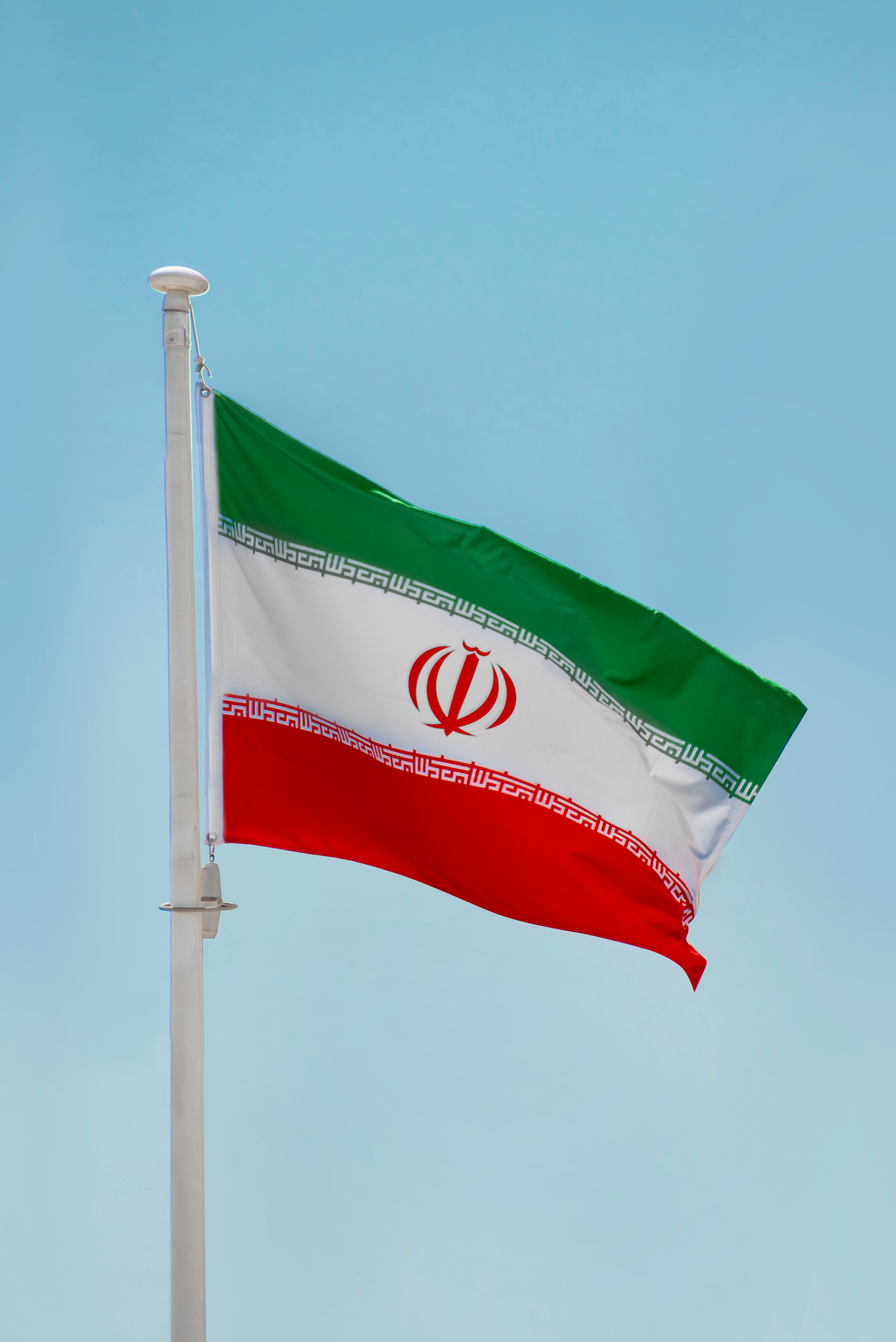
Military tensions across the Middle East continued to escalate as the United States carried out a tenth consecutive night of strikes against Iran, while Tehran reported explosions involving oil tankers in the Strait of Hormuz. At the same time, Yemen's Houthi movement announced a naval blockade targeting Saudi Arabia, raising fresh concerns over regional security and the stability of global energy supplies.
US Continues Military Campaign Against Iran
The United States launched another overnight round of strikes targeting Iranian military positions, extending its campaign to a tenth consecutive night.
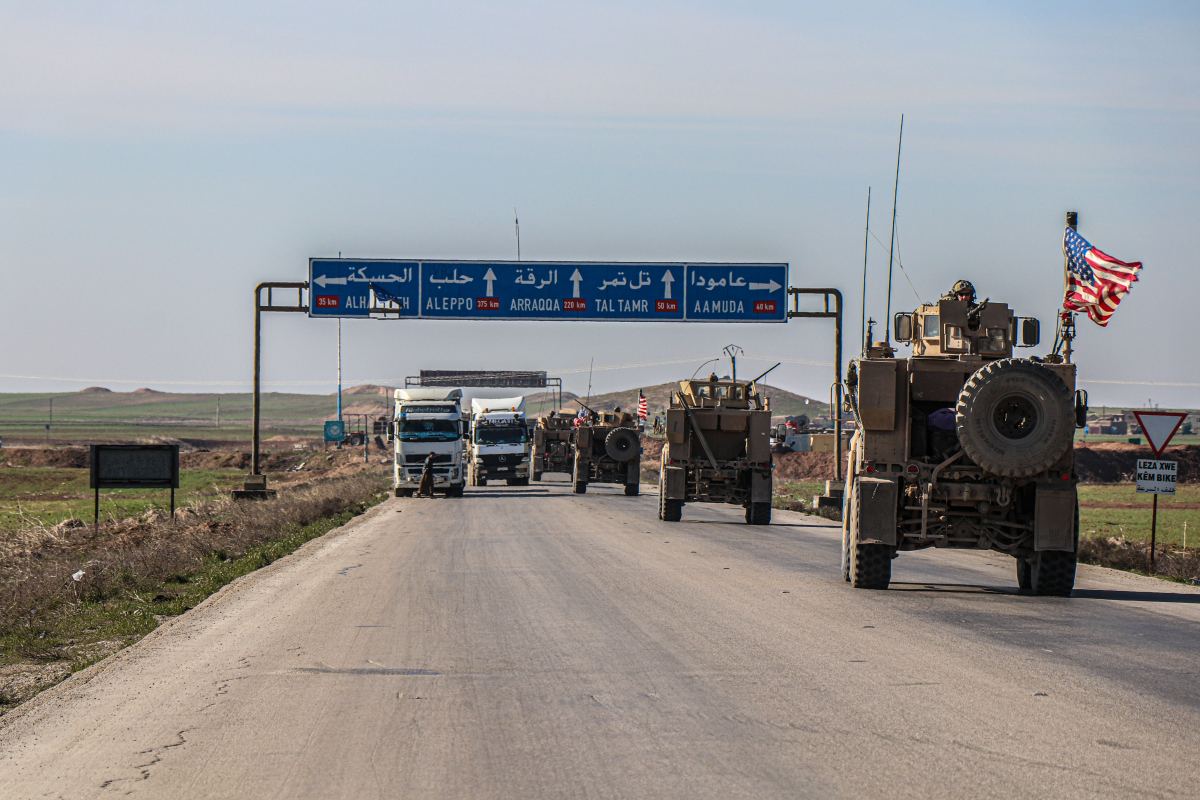
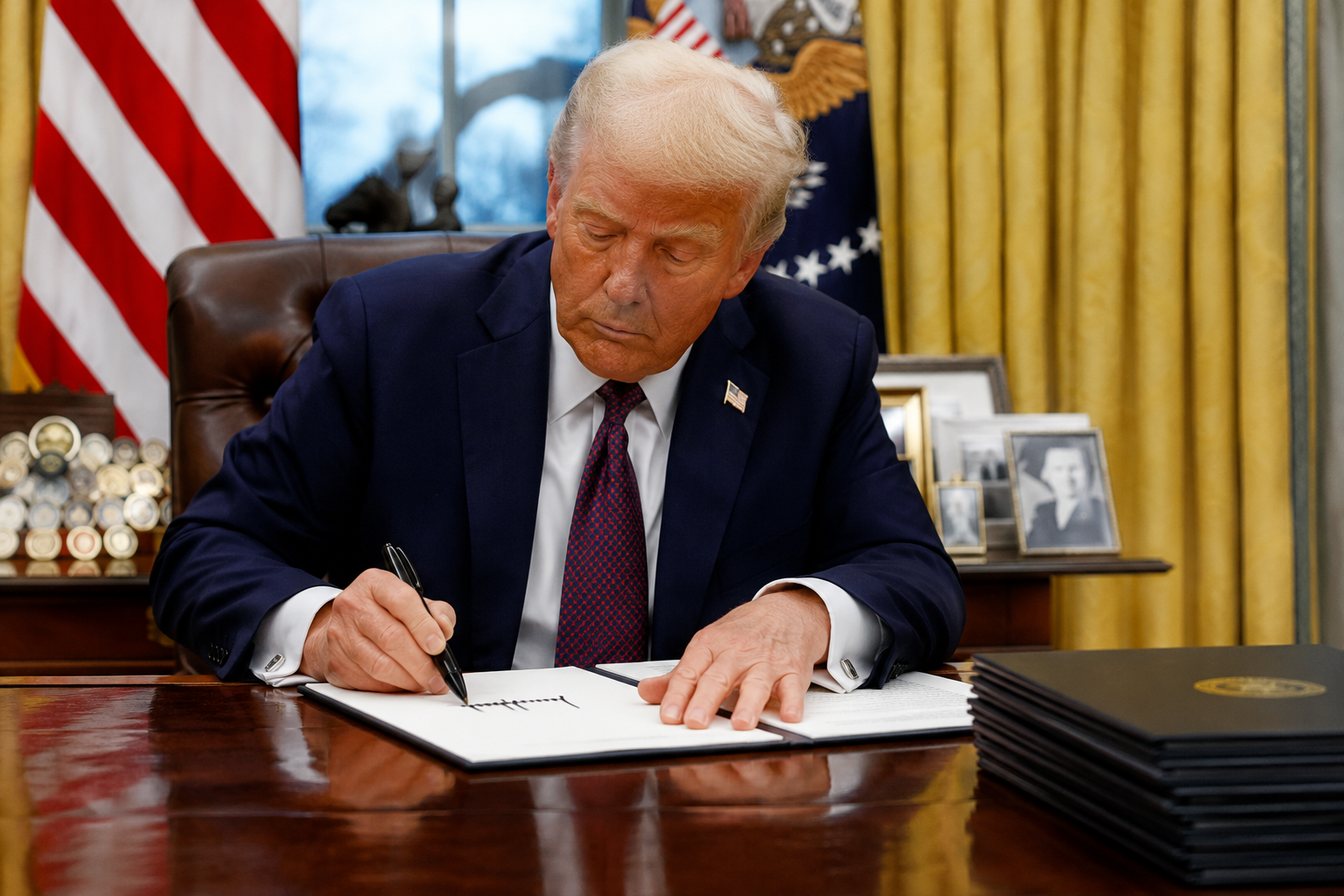
The renewed operations followed President Donald Trump's warning that future attacks resulting in the deaths of American service members would be met with a significantly stronger military response.
The latest strikes underscore Washington's continued pressure on Iran as tensions remain elevated across the region.
Iran Reports Tanker Explosions in the Strait of Hormuz
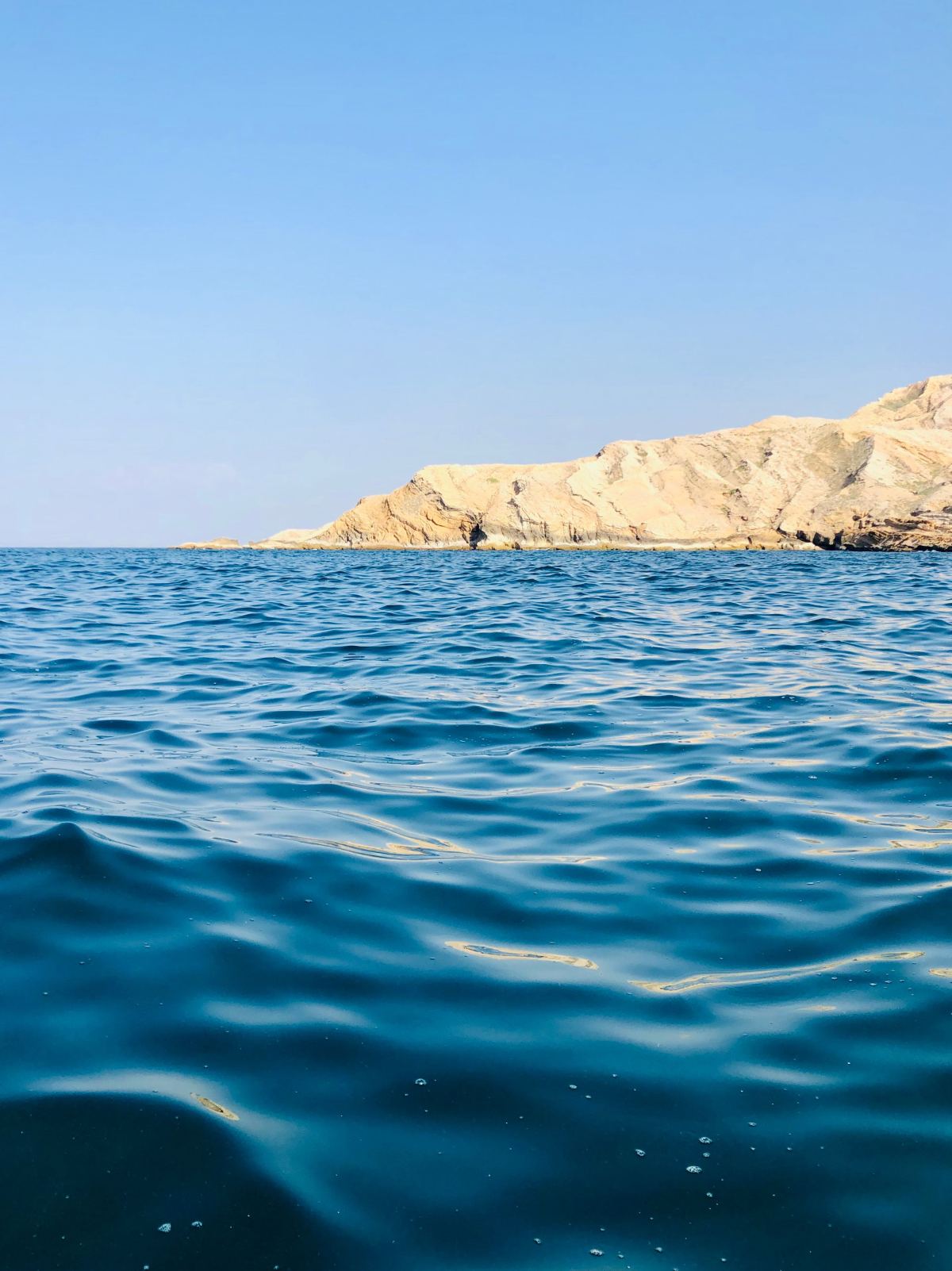
Iranian authorities said two oil tankers caught fire after explosions in the Strait of Hormuz, one of the world's most important energy shipping corridors.
Iran's Islamic Revolutionary Guard Corps (IRGC) stated that the vessels were affected while navigating the strategic waterway, although details surrounding the cause of the incident remain disputed.
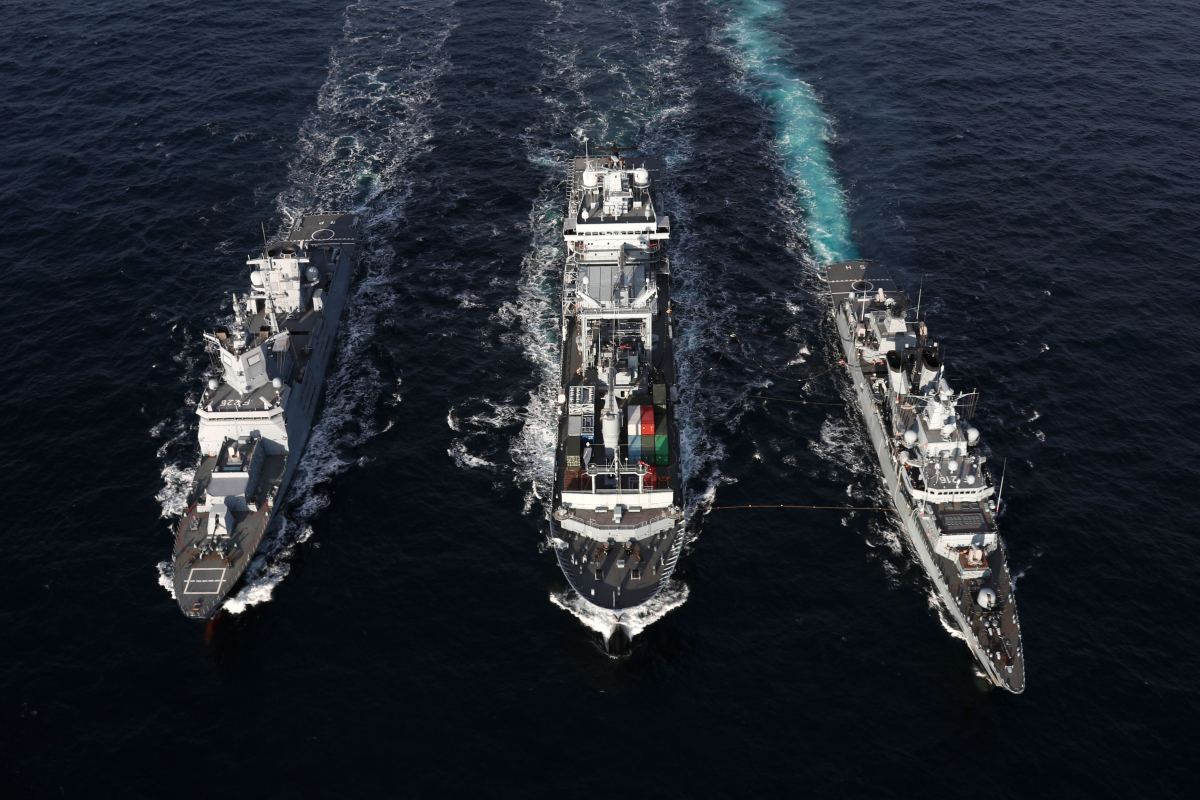
The reported explosions have heightened concerns over the safety of commercial shipping through the region.
Houthi Naval Blockade Expands Regional Pressure
Yemen's Iran-aligned Houthi movement announced what it described as a naval blockade targeting Saudi Arabia through the Bab el-Mandeb Strait.
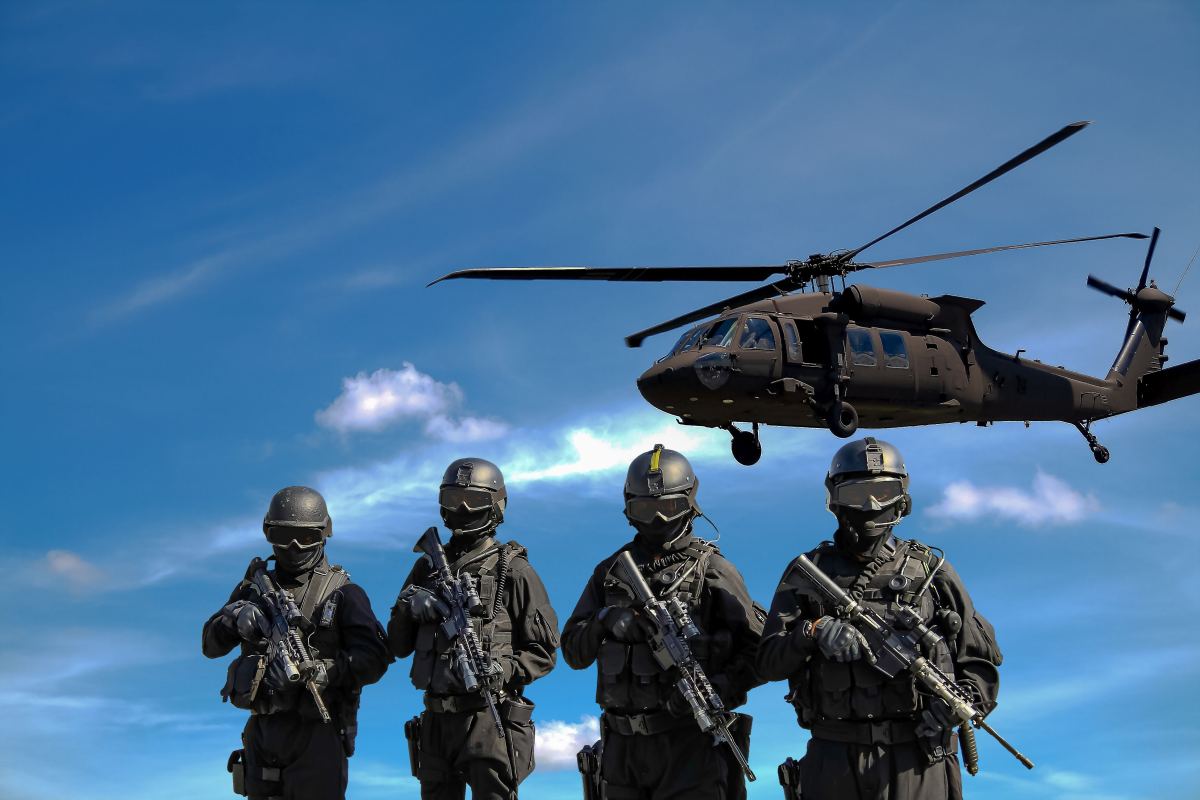
The announcement introduces another potential flashpoint in the broader regional conflict and could further disrupt maritime trade routes connecting the Red Sea with international shipping lanes.
Energy analysts are closely monitoring developments due to the importance of both the Bab el-Mandeb Strait and the Strait of Hormuz for global oil transportation.
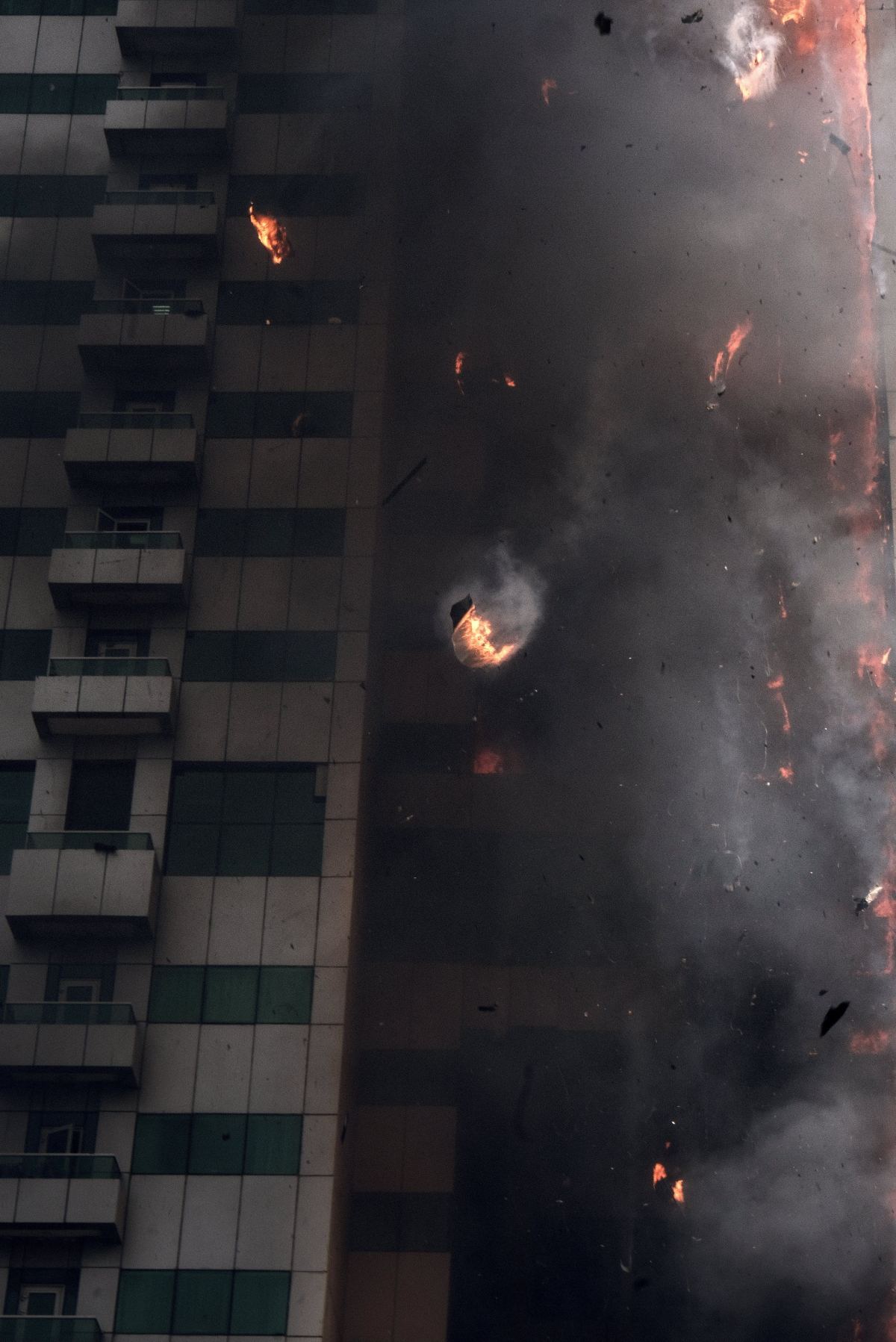
Iran Launches New Regional Attacks
Iran continued military operations beyond its own territory, with reports indicating attacks targeting U.S.-linked military sites in Bahrain, Kuwait, and Jordan.
Regional governments responded by activating air defense systems as security alerts spread across several Gulf countries.
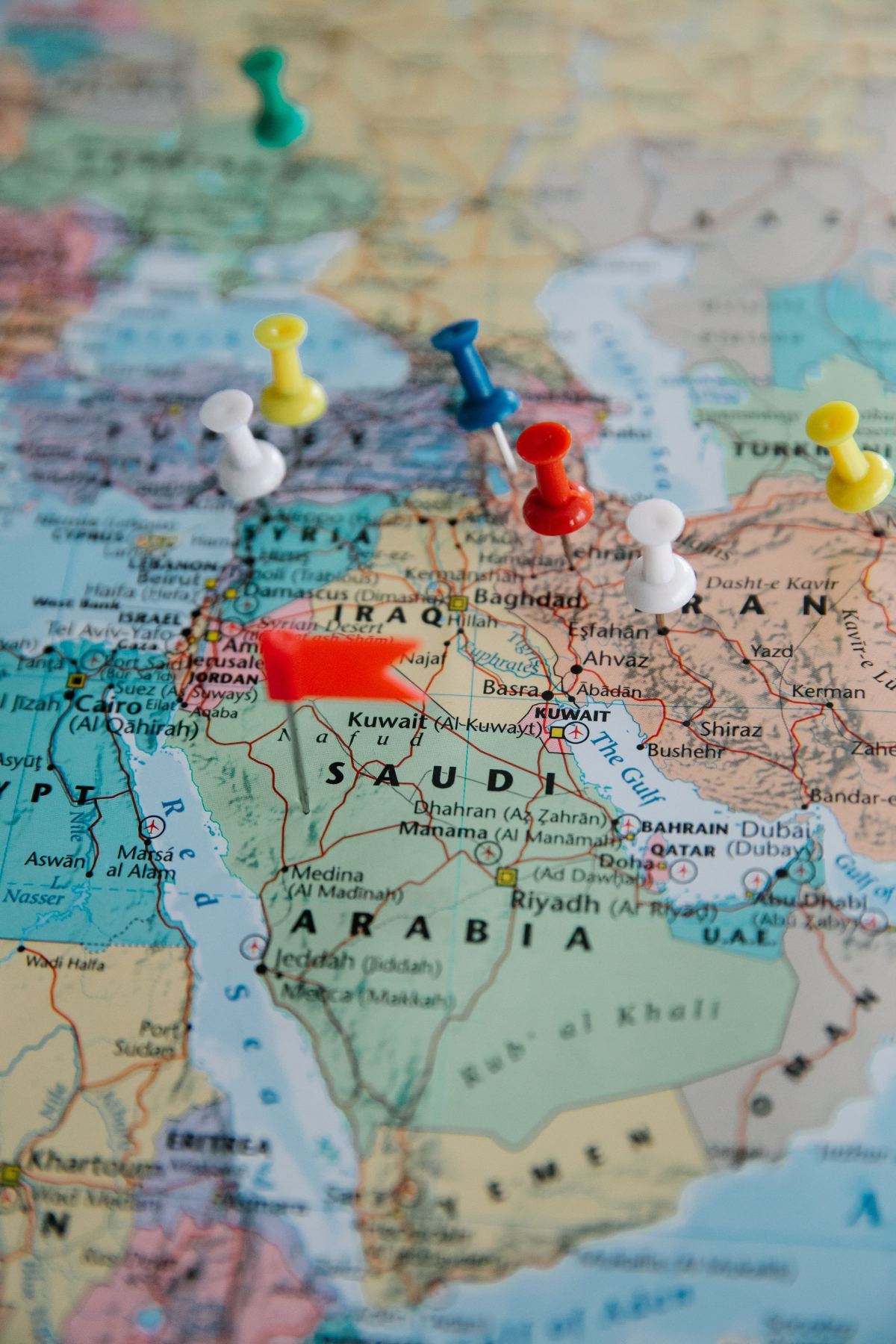
Officials continue assessing the impact of the latest attacks.
Kuwait and Bahrain Activate Emergency Measures
Kuwait's armed forces reported responding to incoming Iranian drones and missiles after warning sirens sounded across parts of the country.
Authorities in neighboring Bahrain also confirmed emergency sirens were activated as regional air defense systems remained on heightened alert.
The incidents reflect the widening geographic scope of the ongoing confrontation.
Diplomatic Activity Continues Alongside Military Escalation
Despite the growing conflict, diplomatic efforts remain active.
Lebanese President Joseph Aoun is scheduled to meet President Donald Trump at the White House, where regional security and ongoing military developments are expected to be key discussion topics.
Meanwhile, senior U.S. defense officials are also expected to face congressional questioning regarding the administration's strategy and objectives in the expanding conflict.
Global Energy Markets Face Growing Uncertainty
The latest military developments have renewed concerns about potential disruptions to global energy supplies.
The Strait of Hormuz and the Bab el-Mandeb Strait together serve as critical maritime corridors for international oil shipments, meaning prolonged instability could affect global fuel prices, shipping costs, and international trade.
Financial markets continue monitoring developments as the conflict evolves.
FAQ
Why is the Strait of Hormuz important?
The Strait of Hormuz is one of the world's busiest energy shipping routes, carrying a significant portion of global oil exports.
What happened to the oil tankers?
Iran reported that two oil tankers caught fire following explosions in the Strait of Hormuz, although the circumstances surrounding the incident remain disputed.
What is the Houthi naval blockade?
Yemen's Iran-aligned Houthi movement announced a blockade targeting Saudi Arabia through the Bab el-Mandeb Strait, potentially affecting regional maritime traffic.
Which countries have reported new attacks?
Reports indicate military activity involving Iran, the United States, Bahrain, Kuwait, Jordan, and Yemen, reflecting the widening scope of the regional conflict.
Could the conflict affect global energy prices?
Yes. Continued instability around the Strait of Hormuz and the Bab el-Mandeb Strait could disrupt oil shipments, increase transportation costs, and place upward pressure on global energy prices.