Iran Reportedly Tells Houthis to Target Red Sea Shipping if U.S. Expands Strikes
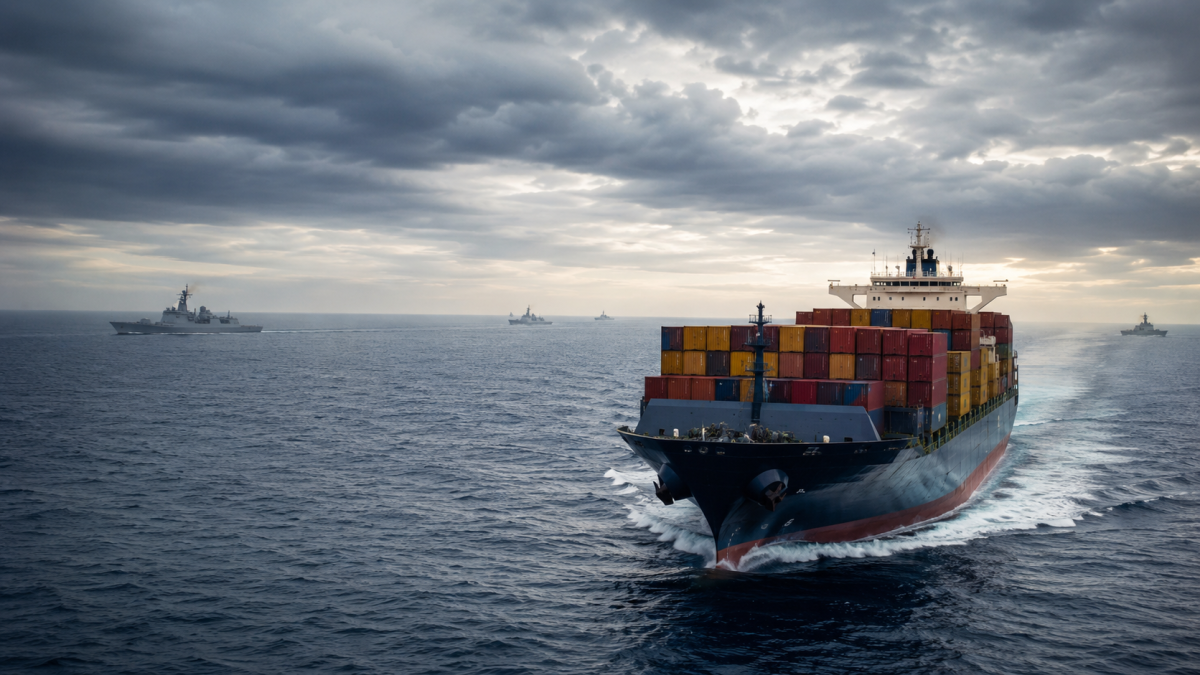
Iran has reportedly instructed Yemen's Houthi movement to prepare for attacks on Red Sea shipping if the United States launches strikes against Iran's power infrastructure, signaling a potential expansion of the ongoing conflict beyond the Persian Gulf. The reported warning comes as military operations between Washington and Tehran continue to intensify, raising fresh concerns about global trade routes and regional stability.
Iran Issues New Warning as Conflict Escalates
According to reports, Iranian officials have warned that any U.S. attack targeting the country's electricity network could trigger retaliation through allied forces in the region.
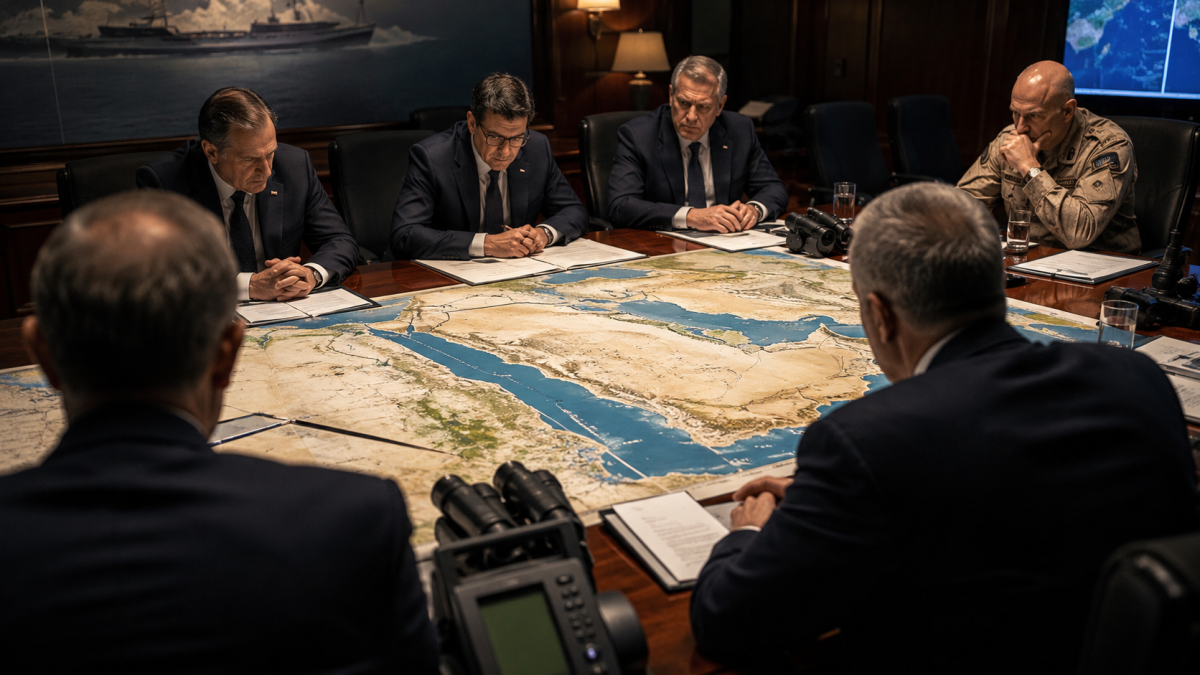
One of the reported contingency plans involves the Houthis, who control large areas of Yemen and have previously targeted commercial vessels in the Red Sea. If activated, the move could place one of the world's busiest shipping lanes under renewed threat.
The warning comes as military exchanges between Iran and the United States continue across multiple locations in the Middle East.
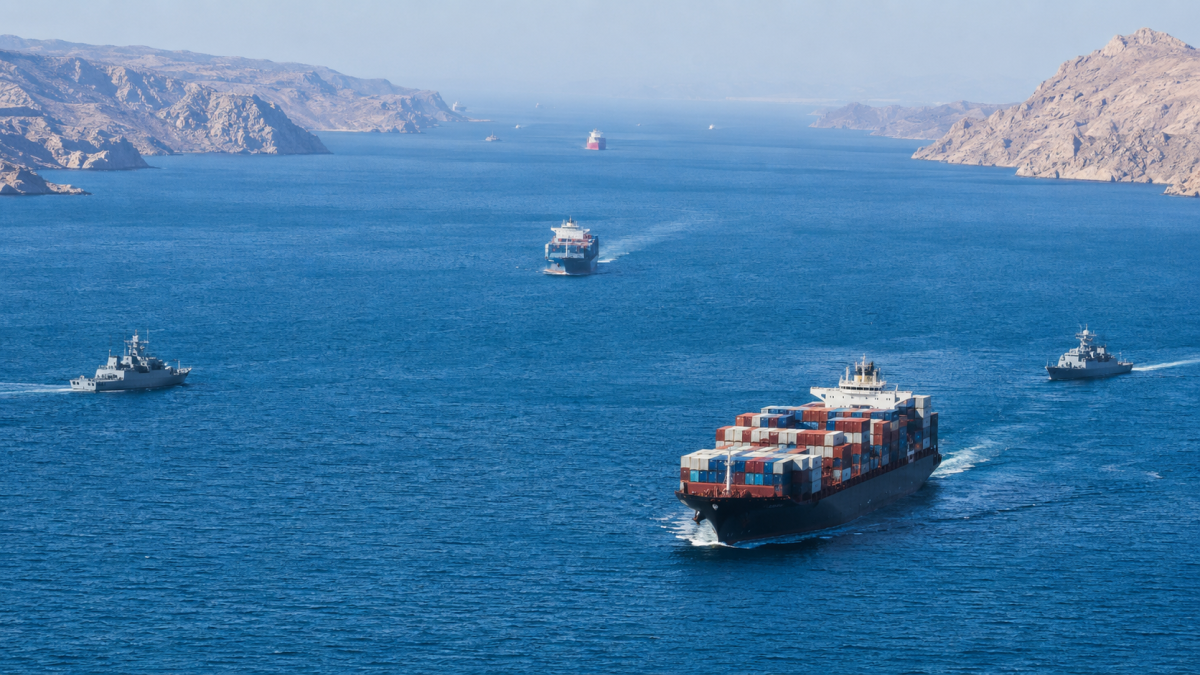
Red Sea Shipping Faces Renewed Security Concerns
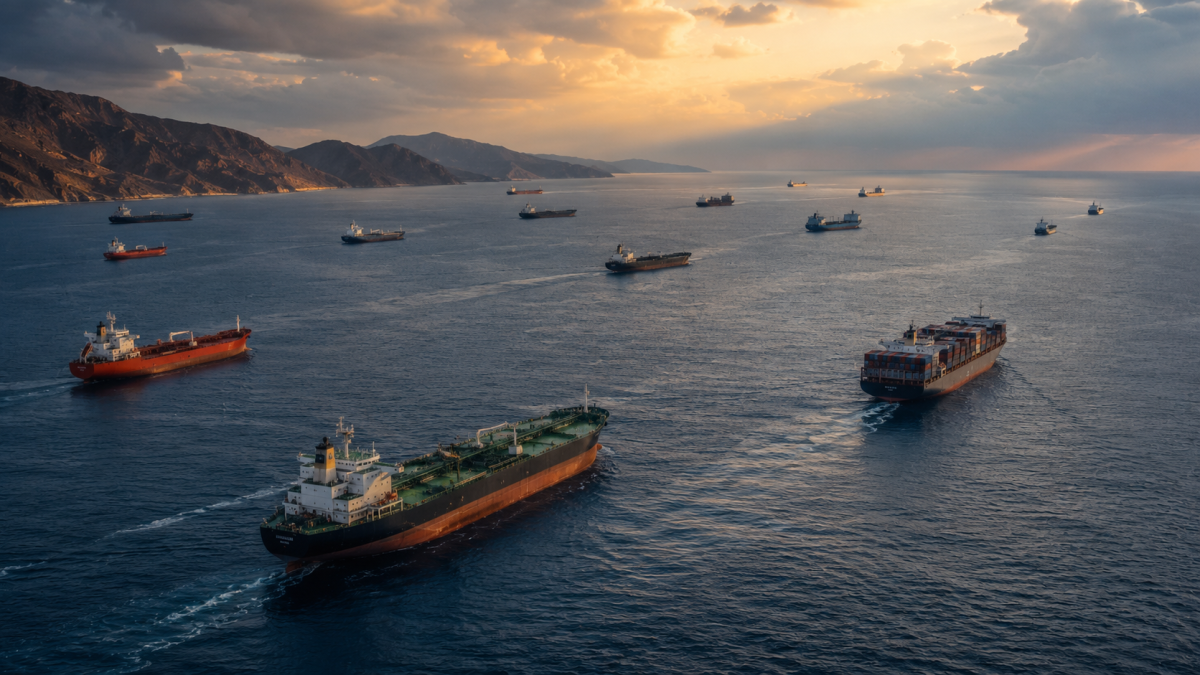
The Bab el-Mandeb Strait, which connects the Red Sea to the Gulf of Aden, is one of the world's most important maritime trade corridors.
Millions of barrels of oil and large volumes of commercial cargo pass through the waterway every day. Any disruption could force shipping companies to reroute vessels around Africa, significantly increasing transportation costs and delivery times.
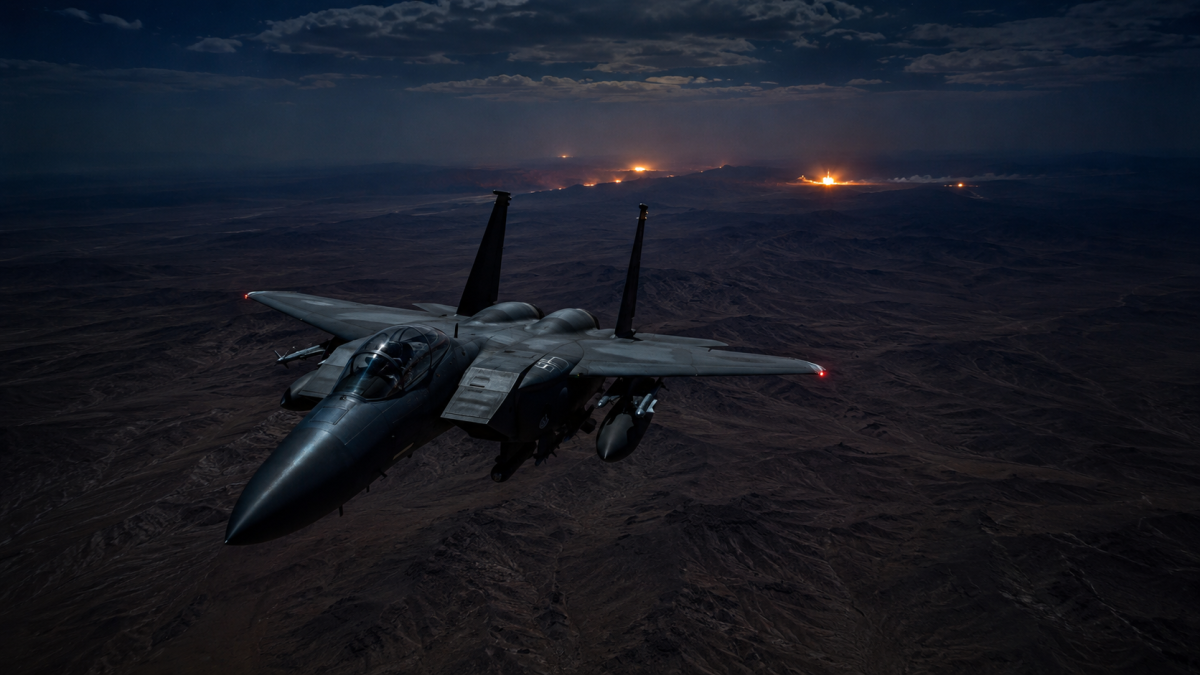
Security experts have repeatedly warned that instability around the Red Sea could have far-reaching consequences for global supply chains.
U.S. Continues Military Operations
The latest warning follows additional U.S. military operations targeting Iranian military infrastructure.
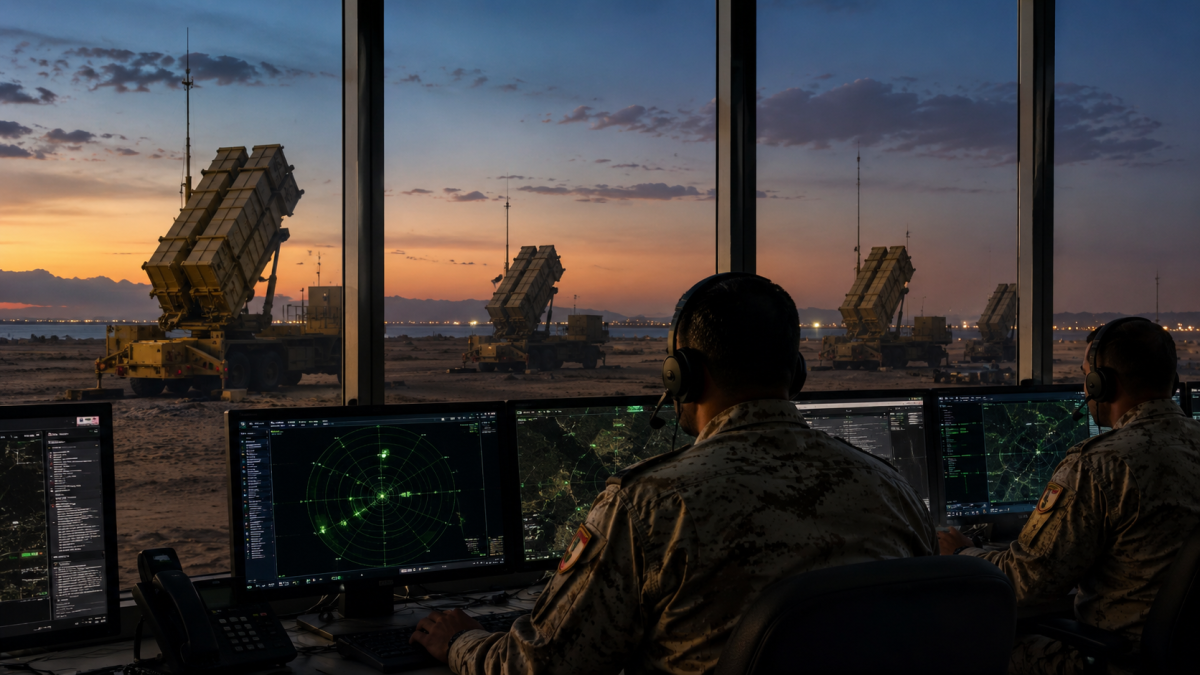
U.S. Central Command said its recent strikes were intended to reduce Iran's ability to threaten commercial shipping and military assets operating in the region.
Iranian media reported explosions in several areas following the strikes, while officials vowed that any attacks on critical national infrastructure would receive a strong response.
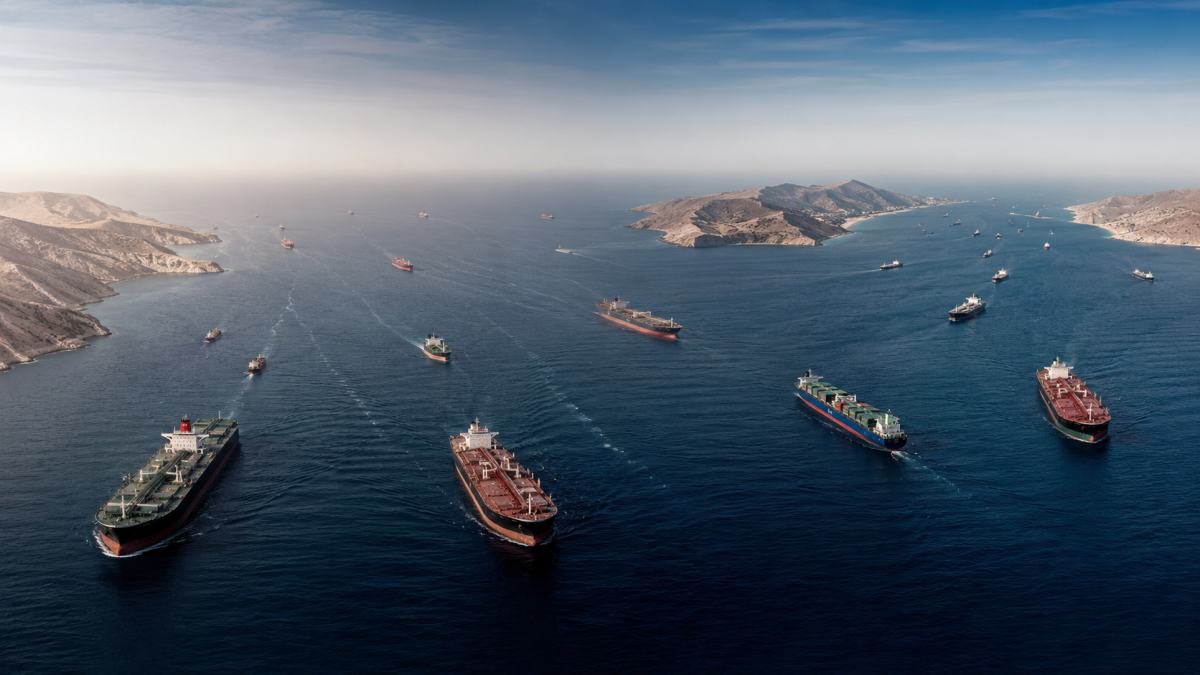
Gulf Nations Increase Defensive Measures
Several countries across the Gulf have strengthened security as regional tensions continue to rise.
Authorities in Kuwait and Bahrain reported intercepting aerial threats, while military forces across the region remain on heightened alert amid fears that the conflict could spread further.
Regional governments continue monitoring developments closely as diplomatic efforts struggle to reduce hostilities.
Global Trade Routes Under Pressure
The latest developments have renewed concerns over two of the world's most strategically important maritime chokepoints—the Strait of Hormuz and the Bab el-Mandeb Strait.
Together, the waterways handle a significant share of global energy exports and international shipping traffic.
Any sustained disruption could affect oil supplies, increase freight costs and place additional pressure on global markets already dealing with geopolitical uncertainty.
Diplomatic Efforts Continue Despite Rising Tensions
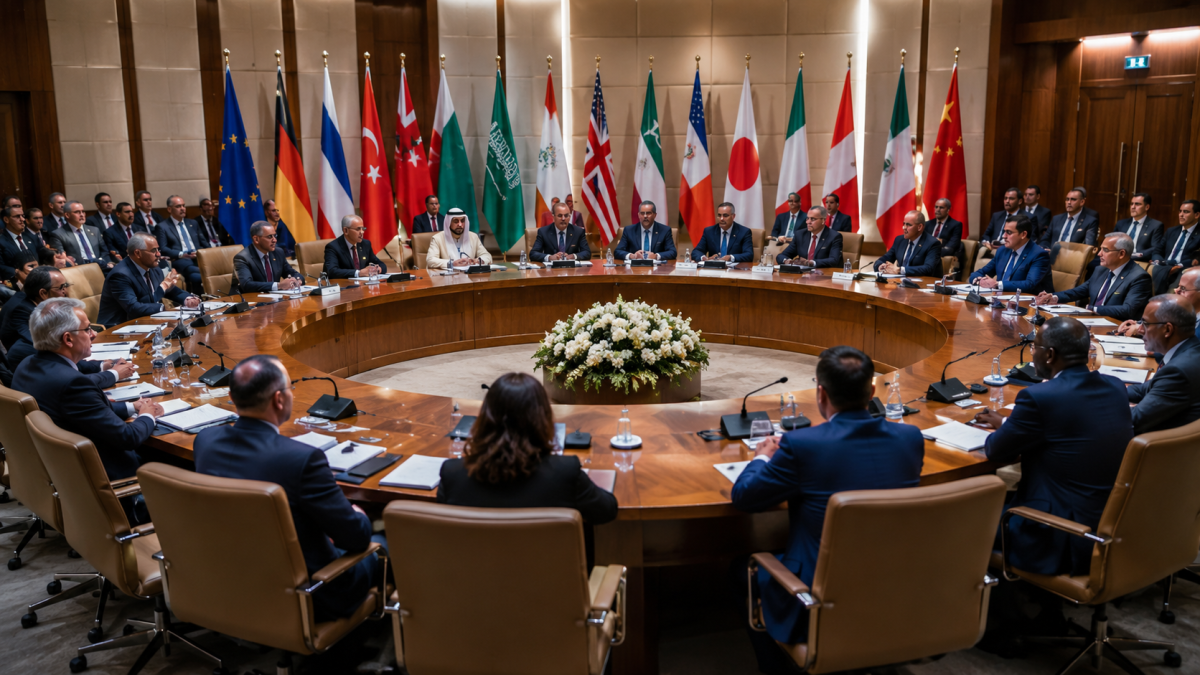
While military activity has intensified, several countries continue urging both sides to return to negotiations.
International leaders have called for restraint, warning that further escalation could destabilize the wider Middle East and create broader economic consequences beyond the region.
For now, commercial shipping companies and governments remain focused on monitoring security conditions as the conflict continues to evolve.
Why This Matters
The reported warning highlights how quickly the confrontation between the United States and Iran could spread beyond direct military operations.
With the Red Sea and the Strait of Hormuz serving as critical arteries for global commerce, any disruption could have immediate effects on energy markets, international trade and maritime security.
As both sides continue exchanging military actions and warnings, attention remains fixed on whether diplomatic channels can prevent the crisis from expanding further.
Frequently Asked Questions (FAQ)
Why has Iran reportedly warned about Red Sea shipping?
Reports indicate Iran has instructed Yemen's Houthis to prepare for possible action against Red Sea shipping if the United States attacks Iranian power infrastructure.
Why is the Bab el-Mandeb Strait important?
The Bab el-Mandeb Strait connects the Red Sea with the Gulf of Aden and serves as one of the world's busiest shipping routes for oil and commercial cargo.
What role do the Houthis play?
The Houthis are a Yemen-based armed movement that has previously launched attacks on commercial and military vessels operating in the Red Sea.
Why is the Strait of Hormuz also significant?
The Strait of Hormuz is another critical global shipping route through which a substantial portion of the world's oil exports passes each day.
Could these tensions affect global markets?
Yes. Any disruption to major shipping routes could increase transportation costs, affect energy supplies and create additional pressure on global trade and financial markets.