India Restricts Seafarer Deployments Through Strait of Hormuz Amid Rising Security Risks
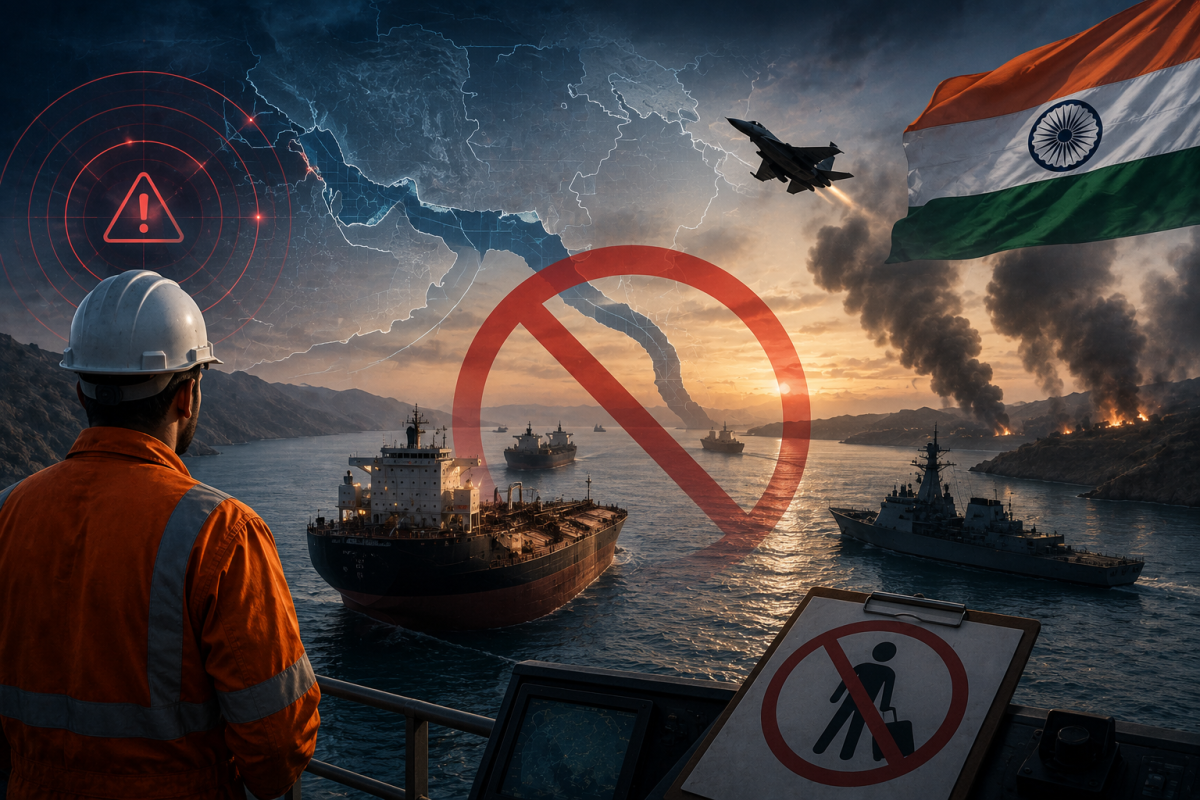
India has introduced temporary restrictions on deploying its seafarers to vessels transiting the Strait of Hormuz as regional security concerns continue to escalate. The move aims to safeguard Indian maritime workers following recent attacks on commercial shipping in one of the world's most critical trade routes.
India Issues Advisory to Protect Seafarers
India's Directorate General of Shipping (DGS) has directed shipowners, recruitment agencies and vessel managers to avoid assigning Indian seafarers to ships scheduled to pass through the Strait of Hormuz until further notice.
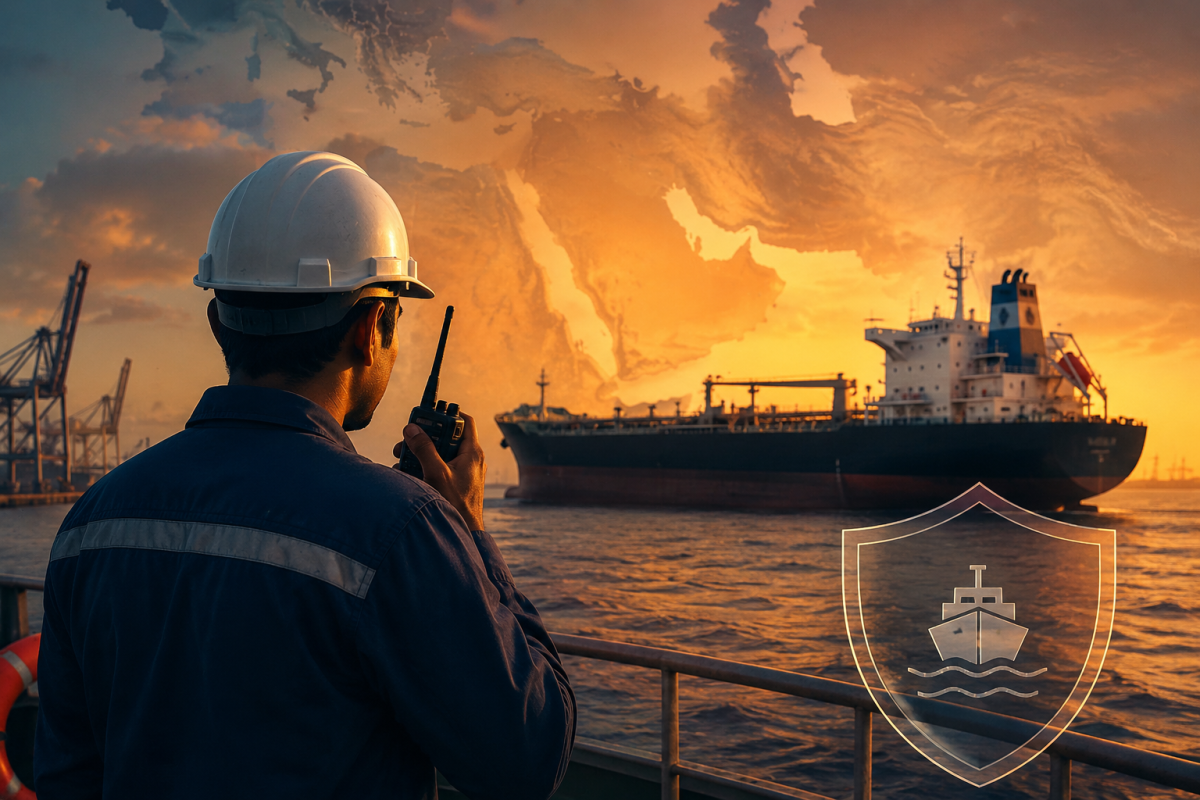
The advisory has been issued as a precautionary measure while security conditions in the region remain uncertain.
India is one of the world's largest suppliers of merchant navy personnel, with hundreds of thousands of Indian seafarers serving aboard international commercial vessels.

Rising Tensions Prompt New Safety Measures
The government's decision follows a series of recent security incidents involving commercial vessels operating in the Persian Gulf and surrounding waters.
Officials said the advisory is intended to reduce the exposure of Indian maritime workers to conflict-related risks as geopolitical tensions continue to affect shipping operations in the Middle East.
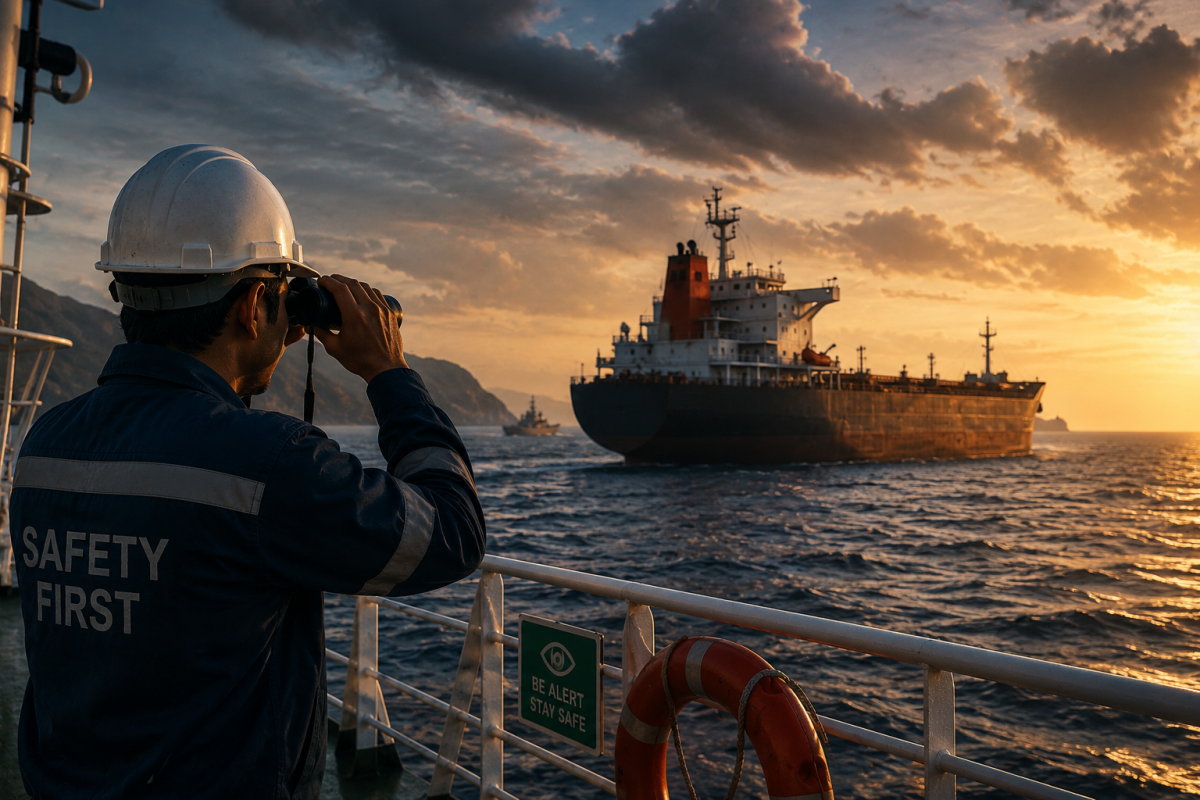
The latest measures reflect growing concerns across the global shipping industry about vessel safety in the region.
Shipping Companies Urged to Remain Vigilant
Alongside restricting new crew deployments, Indian authorities have instructed shipping companies and vessel masters to exercise heightened caution while operating in the Persian Gulf, the Strait of Hormuz and nearby maritime routes.
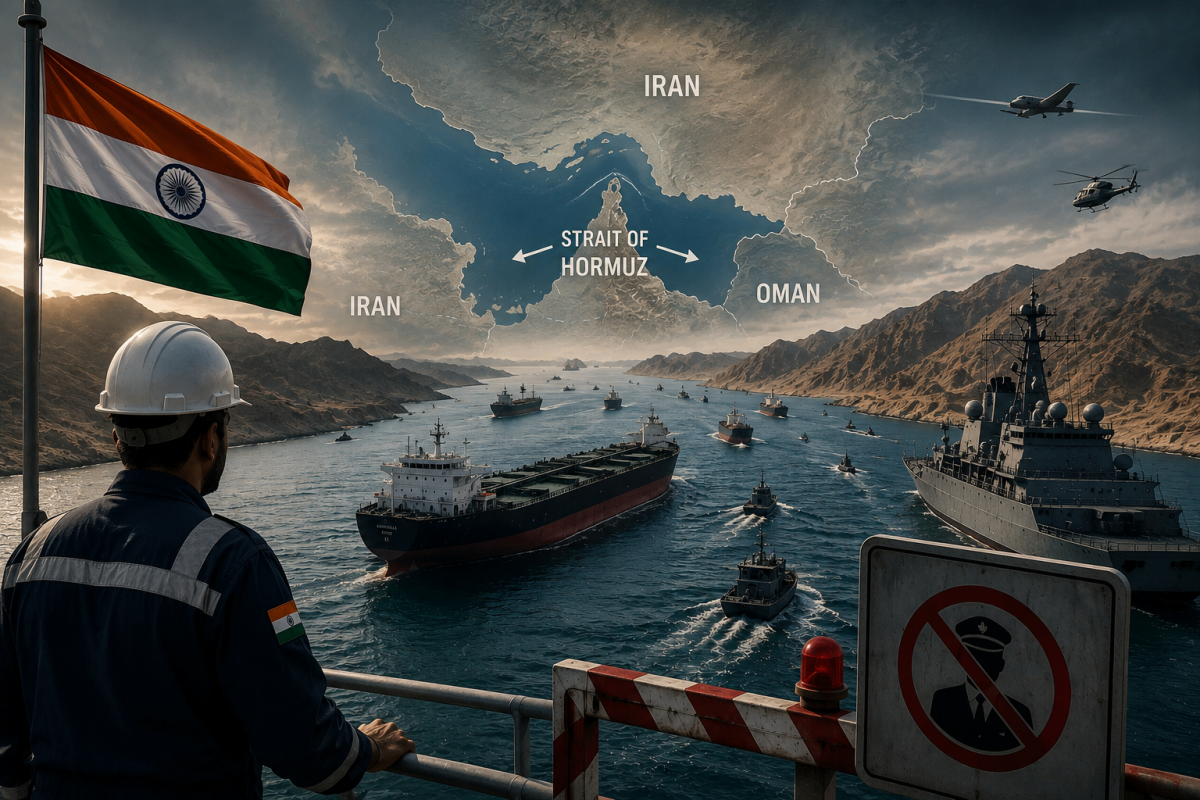
Operators have been advised to:
-
Monitor maritime security advisories regularly.
-
Follow navigational warnings issued by relevant authorities.
-
Review voyage plans based on the latest regional developments.
-
Maintain close communication with maritime security agencies.
Officials said these precautions are necessary to improve operational safety during the ongoing period of uncertainty.
Diplomatic Efforts Intensify After Recent Incident
The advisory comes after an Indian seafarer was killed during a recent attack involving commercial shipping in the region.
Indian authorities have raised the incident through diplomatic channels while continuing to monitor the safety of Indian nationals serving aboard international merchant vessels.
The tragedy has reinforced concerns over the increasing risks faced by civilian maritime crews operating near conflict zones.
Strait of Hormuz Remains Vital to Global Shipping
The Strait of Hormuz is one of the world's most strategically important maritime chokepoints, linking the Persian Gulf to international shipping lanes.
A significant portion of global crude oil, liquefied natural gas and commercial cargo passes through the narrow waterway each day, making its security essential for global trade and energy markets.
Any disruption to shipping in the region can increase freight costs, delay deliveries and impact international supply chains.
Temporary Restrictions Reflect Growing Maritime Concerns
While the advisory is currently temporary, it highlights the increasing importance governments are placing on protecting maritime workers during periods of geopolitical instability.
Shipping companies are expected to continue monitoring the evolving security situation as authorities assess whether additional safety measures will be required in the coming weeks.