How Hunger Strikes Continue to Shape India's Political Landscape
The Power of Peaceful Sacrifice
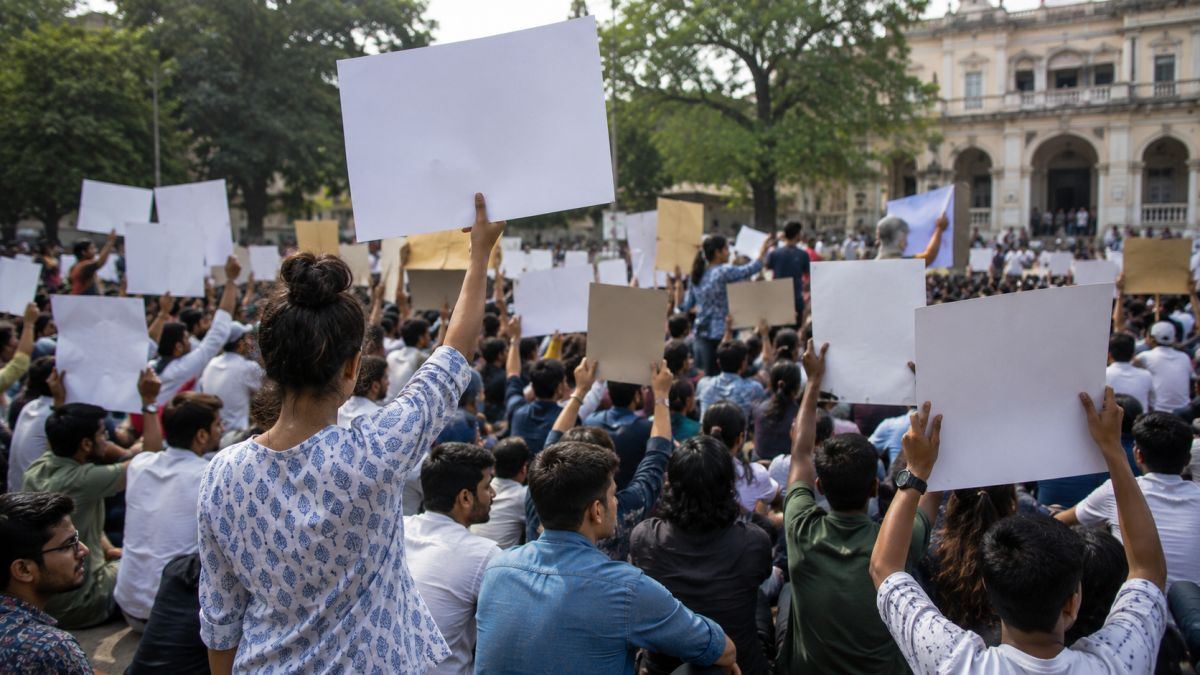
Throughout history, societies have found different ways to challenge authority and demand change. While demonstrations, petitions, and public rallies remain common around the world, India has long been associated with another form of peaceful resistance: the hunger strike.
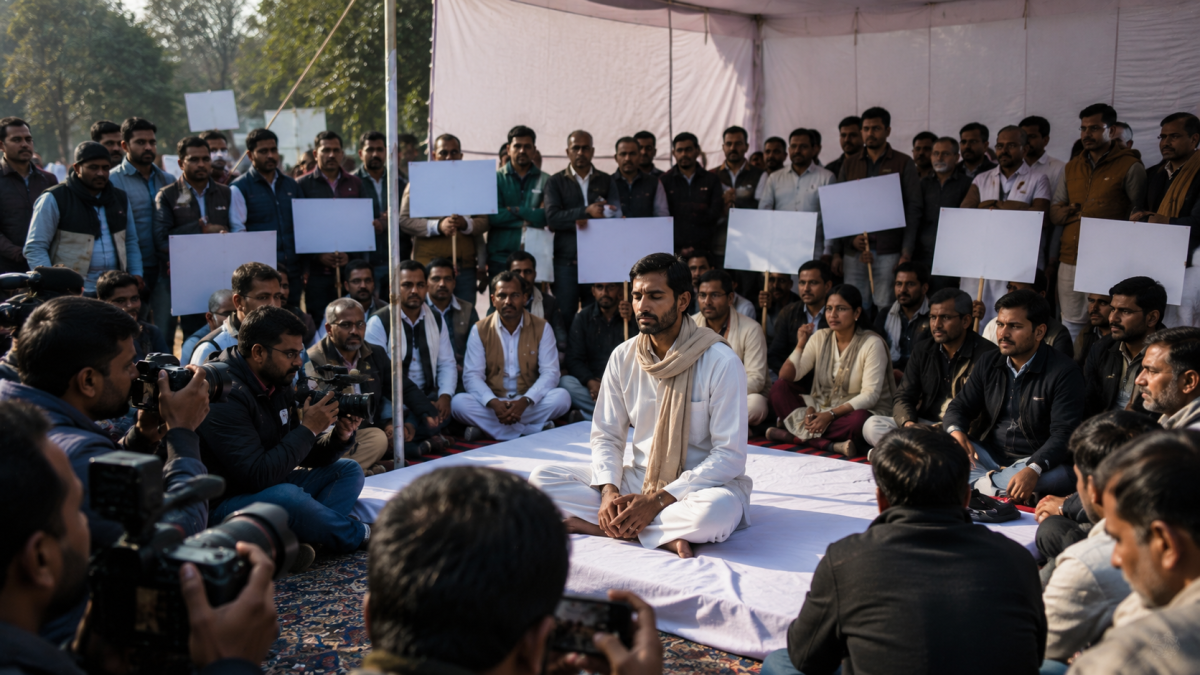
Unlike protests centered on confrontation, a hunger strike asks participants to endure physical hardship voluntarily. The act is intended to draw public attention, encourage dialogue, and place moral pressure on decision-makers rather than relying on violence.
A Tradition That Predates Modern Politics
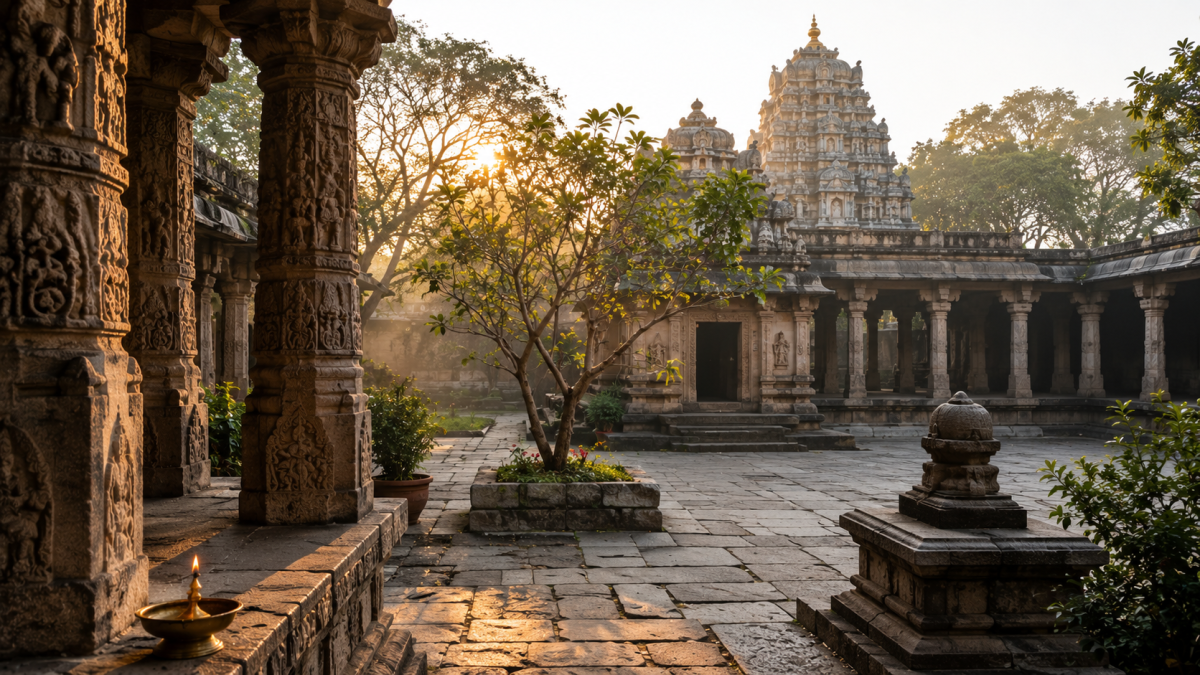
Voluntary fasting has deep cultural and religious roots across South Asia. Long before it became a political tool, fasting was practiced within several religious traditions as an expression of discipline, reflection, and personal sacrifice.
During the twentieth century, these traditions became intertwined with political activism, particularly through leaders who promoted nonviolent resistance.
Gandhi's Influence on Peaceful Protest
Mahatma Gandhi helped transform fasting into an internationally recognized symbol of nonviolent political action. His philosophy emphasized personal sacrifice rather than aggression, arguing that moral conviction could influence both governments and ordinary citizens.
His campaigns demonstrated that peaceful resistance could become a powerful political force when combined with widespread public support.
Why Hunger Strikes Still Matter Today
Modern activists continue using hunger strikes to draw attention to issues ranging from environmental protection and education to regional development and human rights.
Although today's media landscape has changed dramatically, fasting remains one of the most recognizable forms of peaceful protest because it communicates commitment through personal sacrifice.
Whether these campaigns succeed often depends on public engagement, political negotiations, and sustained media attention.
A Continuing Debate in Democracy
Supporters argue that hunger strikes provide citizens with a peaceful way to raise concerns when conventional channels appear ineffective. Critics contend that elected governments should primarily respond through established democratic institutions rather than moral pressure created by prolonged fasting.
This debate continues to shape public discussion, reflecting broader questions about civic participation, political accountability, and nonviolent activism in modern democracies.
Conclusion
For more than a century, hunger strikes have remained intertwined with India's democratic journey. While their effectiveness varies from one movement to another, they continue to symbolize the belief that peaceful personal sacrifice can inspire public debate and influence political decision-making. As new generations of activists embrace different methods of advocacy, the hunger strike remains a distinctive chapter in the history of nonviolent protest.