Houthis Seek Greater Control Over Red Sea Shipping, Yemen's Foreign Minister Warns
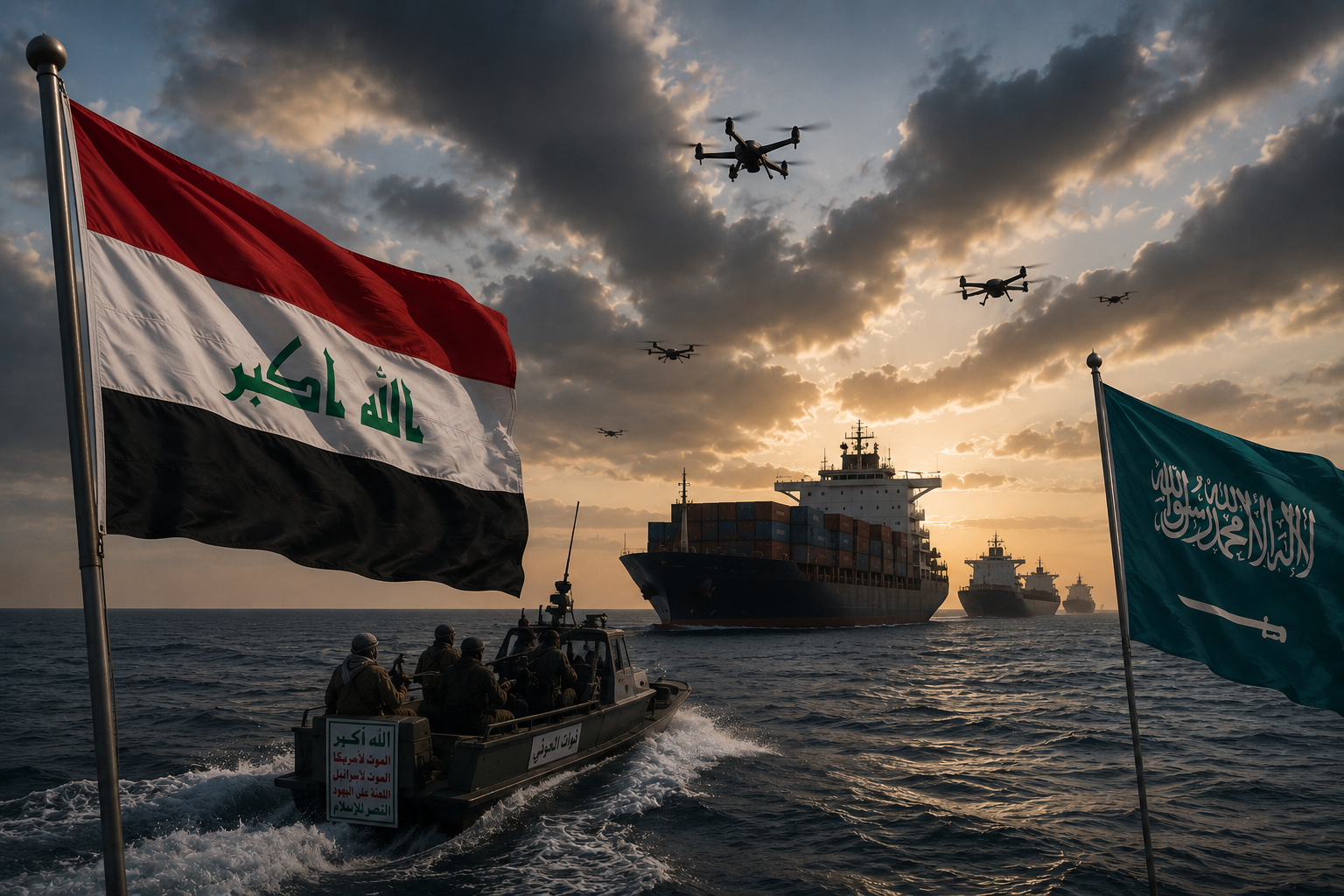
Yemen's internationally recognized government has accused the Houthi movement of trying to replicate Iran's influence over the Strait of Hormuz by disrupting commercial shipping through the Red Sea. According to Yemen's foreign minister-designate, the group's recent attacks on vessels and Saudi Arabia are part of a broader strategy that threatens one of the world's most important maritime trade routes and raises the risk of renewed conflict in Yemen.
The warning comes as tensions continue to rise across the Middle East, with shipping disruptions already affecting global energy markets and international trade.
Yemen Warns of Houthi Strategy in the Red Sea
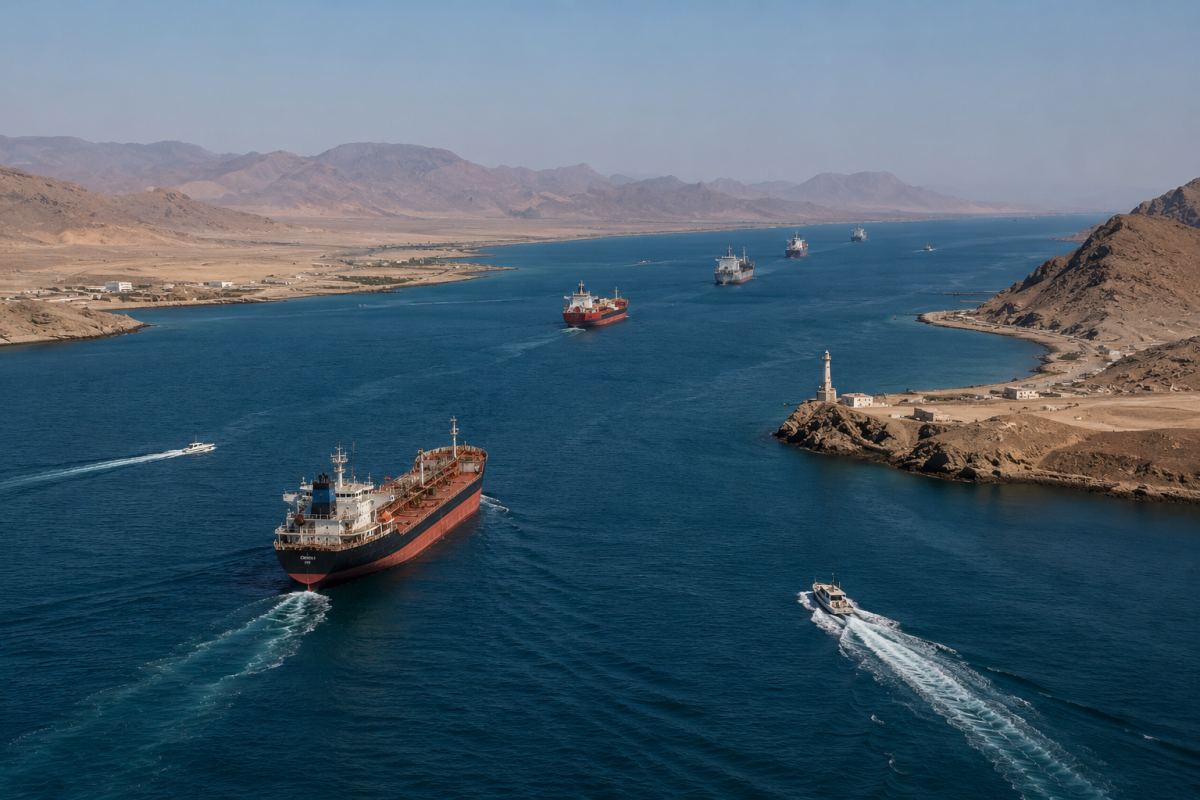
Speaking in Riyadh, Yemen's Foreign Minister-designate Afrah Al-Zouba said the Houthi movement is attempting to establish greater control over the Bab el-Mandeb Strait, mirroring Iran's influence over the Strait of Hormuz.
According to Al-Zouba, the strategy could threaten two of the world's most critical maritime chokepoints, potentially disrupting global trade and energy supplies.
She warned that interference in both waterways would have far-reaching economic and security consequences beyond the Middle East.
Bab el-Mandeb Is a Vital Global Trade Route
The Bab el-Mandeb Strait connects the Red Sea with the Gulf of Aden and serves as one of the world's busiest shipping corridors.
Large volumes of:
-
Crude oil
-
Refined petroleum products
-
Consumer goods
-
Container cargo
pass through the strait every year.
Any disruption to shipping in the area can increase transportation costs, delay deliveries, and place additional pressure on global supply chains.
Red Sea Tensions Continue to Escalate
Recent weeks have seen an increase in attacks linked to the Houthis, including missile and drone strikes targeting Saudi Arabia and threats against commercial shipping in the Red Sea.
Saudi Arabia has responded with airstrikes on what it describes as Houthi military sites while reaffirming its commitment to protecting international shipping routes.
The exchange has heightened concerns that regional instability could further disrupt maritime trade.
Fears of Renewed Conflict in Yemen
The latest escalation has also increased concerns about a return to full-scale conflict inside Yemen.
Although a United Nations-backed truce reached in 2022 significantly reduced fighting, cross-border attacks in recent weeks have raised fears that the ceasefire could further deteriorate.
According to Yemeni officials, military activity has intensified along front lines stretching from northwestern Yemen toward the Saudi border, although neither side has launched a major ground offensive.
Yemeni Government Says It Is Prepared
Al-Zouba said Yemen's internationally recognized government is prepared for any escalation while continuing to support efforts to end the conflict.
She emphasized that Yemen prefers a peaceful resolution but indicated that the government is ready to respond if security conditions worsen.
Officials continue to coordinate closely with Saudi Arabia and regional partners as tensions remain elevated.
Why the Red Sea Matters
The Red Sea is one of the world's most strategically important shipping corridors.
Together with the Bab el-Mandeb Strait, it provides a key route connecting Europe, Asia, and the Middle East.
Disruptions in the region can affect:
-
Global oil exports
-
International shipping
-
Energy prices
-
Supply chains
-
Marine insurance costs
Analysts say prolonged instability could continue affecting global trade even if broader diplomatic efforts in the region make progress.
What's Next
Regional governments and international shipping companies will continue monitoring security conditions around the Bab el-Mandeb Strait and the Red Sea. Any further attacks on commercial vessels or energy infrastructure could prompt additional military responses and increase pressure on global shipping and energy markets.
FAQ
What did Yemen's foreign minister say?
Yemen's foreign minister-designate said the Houthi movement is attempting to replicate Iran's strategy in the Strait of Hormuz by disrupting shipping through the Bab el-Mandeb Strait.
Why is the Bab el-Mandeb Strait important?
It is one of the world's busiest maritime trade routes, connecting the Red Sea to the Gulf of Aden and serving as a key corridor for global oil and cargo shipments.
Why are concerns growing?
Recent Houthi attacks on Saudi Arabia and commercial shipping have increased fears of broader regional instability and potential disruptions to international trade.
Is Yemen at risk of renewed war?
Officials say recent cross-border fighting has increased the possibility of renewed conflict, although no major ground offensive has begun.
How could this affect global markets?
Continued disruptions in the Red Sea could increase shipping costs, delay cargo deliveries, affect oil exports, and contribute to higher global energy prices.