Houthis Consider Red Sea Transit Fees as Shipping Risks Escalate in Key Global Trade Route
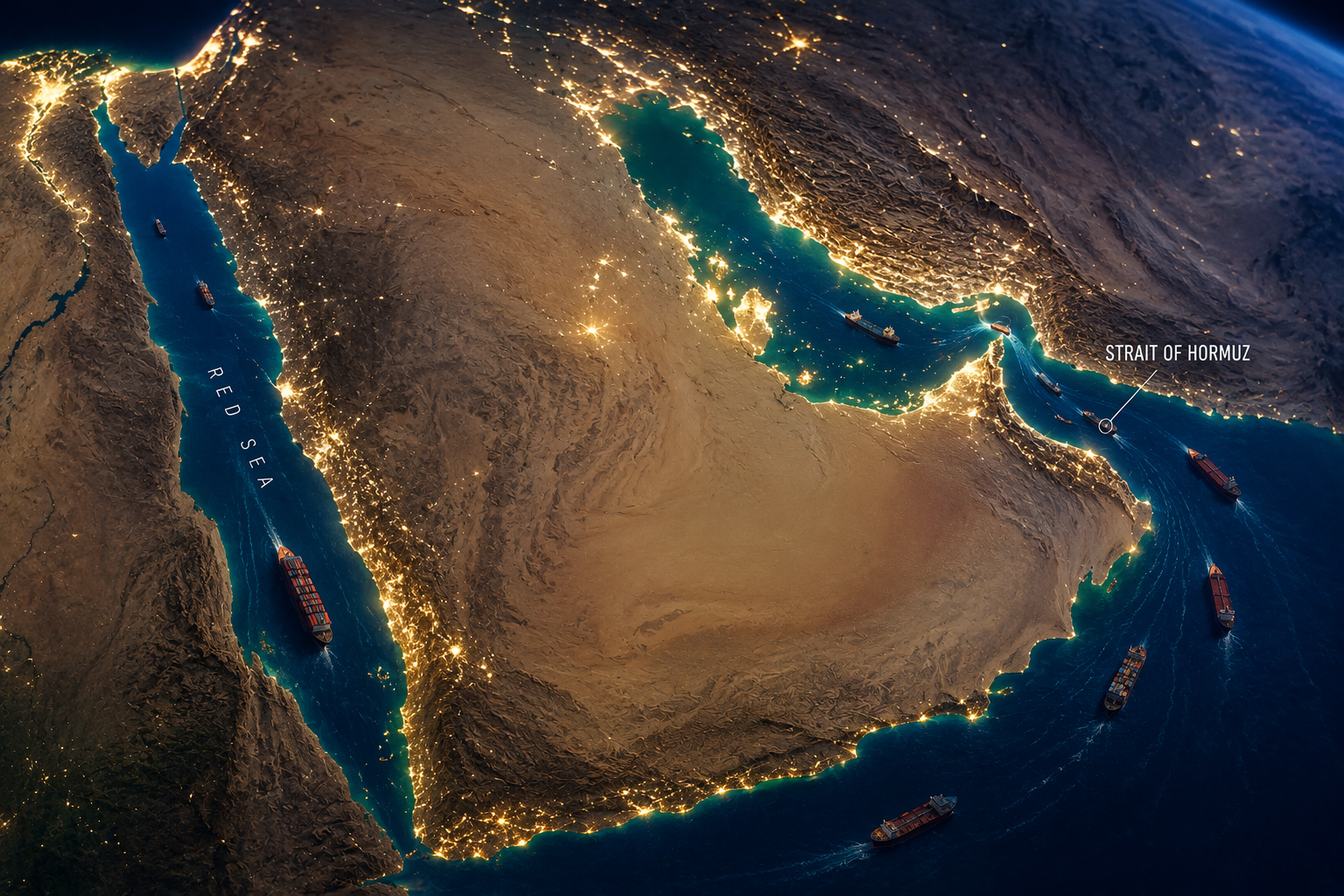
Yemen's Houthi movement is reportedly considering charging commercial vessels for passing through the Bab el-Mandeb Strait, a strategic gateway linking the Red Sea and the Gulf of Aden. The proposal, if implemented, could further disrupt one of the world's busiest shipping corridors, raising concerns over global energy supplies, maritime trade, and regional security.
The reported plan comes shortly after the Houthis announced a maritime blockade targeting Saudi Arabia, signaling another escalation in tensions affecting international shipping.
New Proposal Could Change Red Sea Shipping
According to regional sources, the Houthis are exploring a system that would require commercial ships to pay transit fees when passing through the Bab el-Mandeb Strait.
Although no implementation date has been announced, discussions reportedly involve creating a mechanism to regulate and collect payments from vessels using the waterway.
The Houthis have not publicly confirmed the proposal.
Bab el-Mandeb Remains a Critical Global Trade Chokepoint
The Bab el-Mandeb Strait connects the Red Sea with the Gulf of Aden and serves as one of the world's most important maritime routes.
Every year, large volumes of:
-
Crude oil
-
Refined fuels
-
Consumer goods
-
Industrial products
-
Container cargo
move through the narrow passage before reaching the Suez Canal and European markets.
Any disruption to traffic through the strait can significantly increase shipping costs and delivery times worldwide.
Reports Suggest Some Ships Could Be Exempt
Sources familiar with the discussions said Chinese commercial vessels could be excluded from the proposed transit charges.
The reported exemption reflects China's growing economic relationship with regional actors and its importance as a major importer of Middle Eastern energy.
However, no official policy has been announced, and the reported proposal remains under discussion.
Shipping Industry Faces Fresh Uncertainty
The possibility of new transit fees adds another layer of uncertainty for global shipping companies already dealing with security concerns in the Red Sea.
Shipping operators may need to evaluate:
-
Higher operating costs
-
Additional insurance expenses
-
Alternative trade routes
-
Longer delivery schedules
Industry analysts say any new restrictions or charges could place further pressure on global supply chains.
Energy Markets Could Feel the Impact
The Bab el-Mandeb Strait is an important alternative shipping route for energy exports from the Middle East.
If commercial traffic through the area becomes more restricted, concerns could grow over:
-
Global oil supplies
-
Fuel transportation costs
-
Energy market volatility
-
International trade flows
Saudi Arabia, in particular, relies on Red Sea shipping routes to move energy exports to global markets.
Regional Security Concerns Continue to Grow
The reported discussions come amid continuing instability across the Red Sea region.
Military attacks on commercial vessels over the past several years have already forced many shipping companies to reroute cargo around southern Africa, increasing both transit times and transportation costs.
Analysts say any additional restrictions could further complicate efforts to restore normal shipping activity in one of the world's busiest maritime corridors.
What's Next
The Houthis have not officially announced whether transit fees will be introduced, and key details—including enforcement mechanisms and potential exemptions—remain unclear. Governments, shipping companies, and energy markets will closely monitor developments, as any formal policy affecting the Bab el-Mandeb Strait could have significant consequences for global trade, oil transportation, and maritime security.
FAQ
What is the Bab el-Mandeb Strait?
The Bab el-Mandeb Strait is a strategic waterway connecting the Red Sea and the Gulf of Aden, serving as one of the world's most important shipping routes for energy and international trade.
What are the Houthis reportedly considering?
Regional sources say the Houthis are exploring a proposal to charge commercial ships transit fees for sailing through the Bab el-Mandeb Strait, although no official decision has been announced.
Why is this proposal important?
Any new fees or restrictions could increase shipping costs, disrupt global supply chains, and affect energy exports passing through the Red Sea.
Could some ships be exempt from the proposed fees?
According to regional sources, Chinese commercial vessels could be excluded from the proposed charges, but no official policy has been confirmed.
What should businesses and investors watch next?
Markets will be watching for any official announcement from the Houthis, reactions from regional governments, changes in commercial shipping activity, and the broader impact on global trade and energy markets.