House Approves Measure Limiting Trump's Iran Military Authority as Senate Rejects Similar Resolution
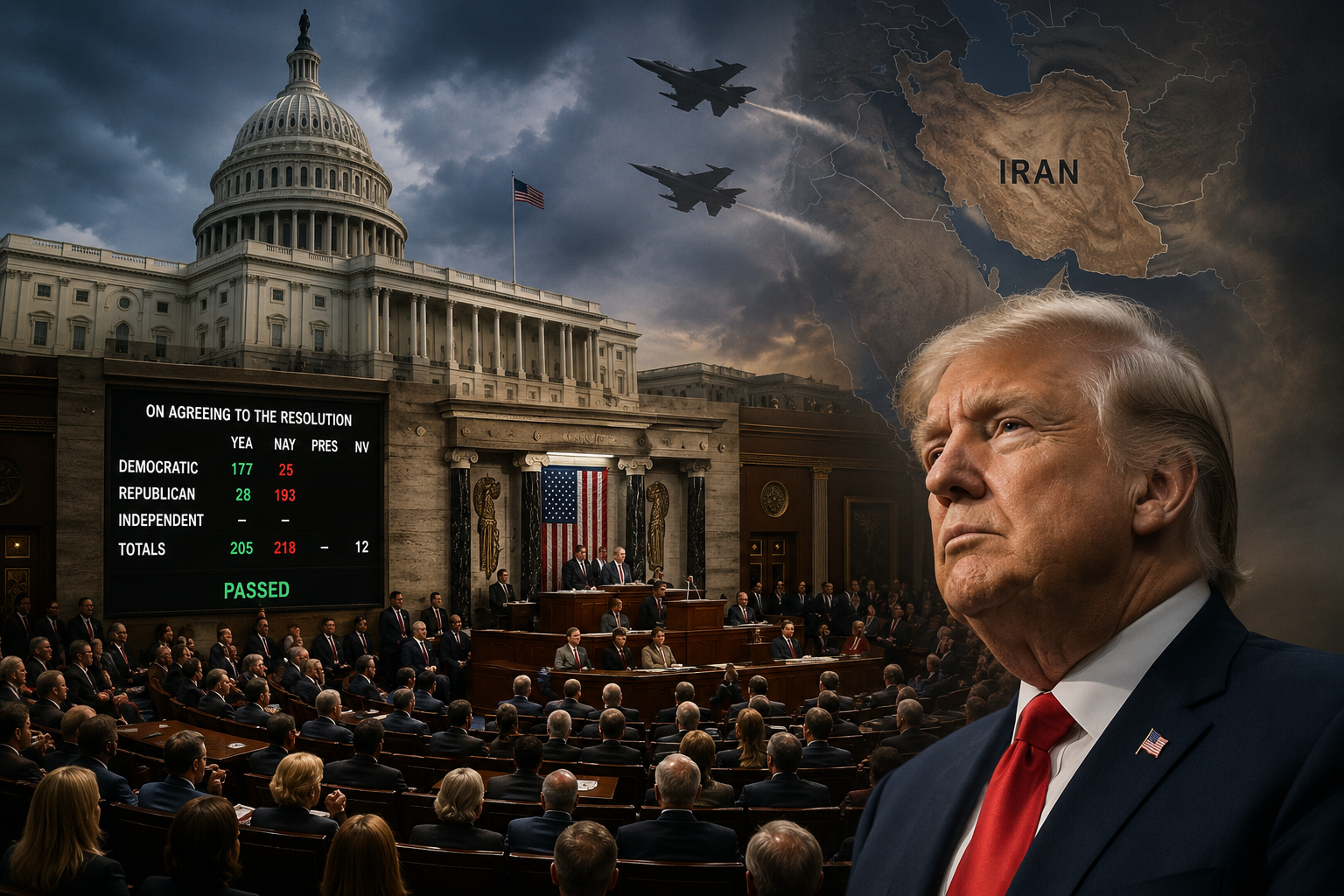
WASHINGTON — Congress delivered mixed signals Thursday over U.S. military involvement in Iran, with the House of Representatives approving a resolution aimed at limiting President Donald Trump's authority to continue military operations without congressional approval, while the Senate rejected a nearly identical proposal just hours later. The split outcome highlights growing political divisions over the ongoing conflict as lawmakers debate the constitutional limits of presidential war powers.
Although the House resolution passed, neither measure is expected to immediately change U.S. military operations.
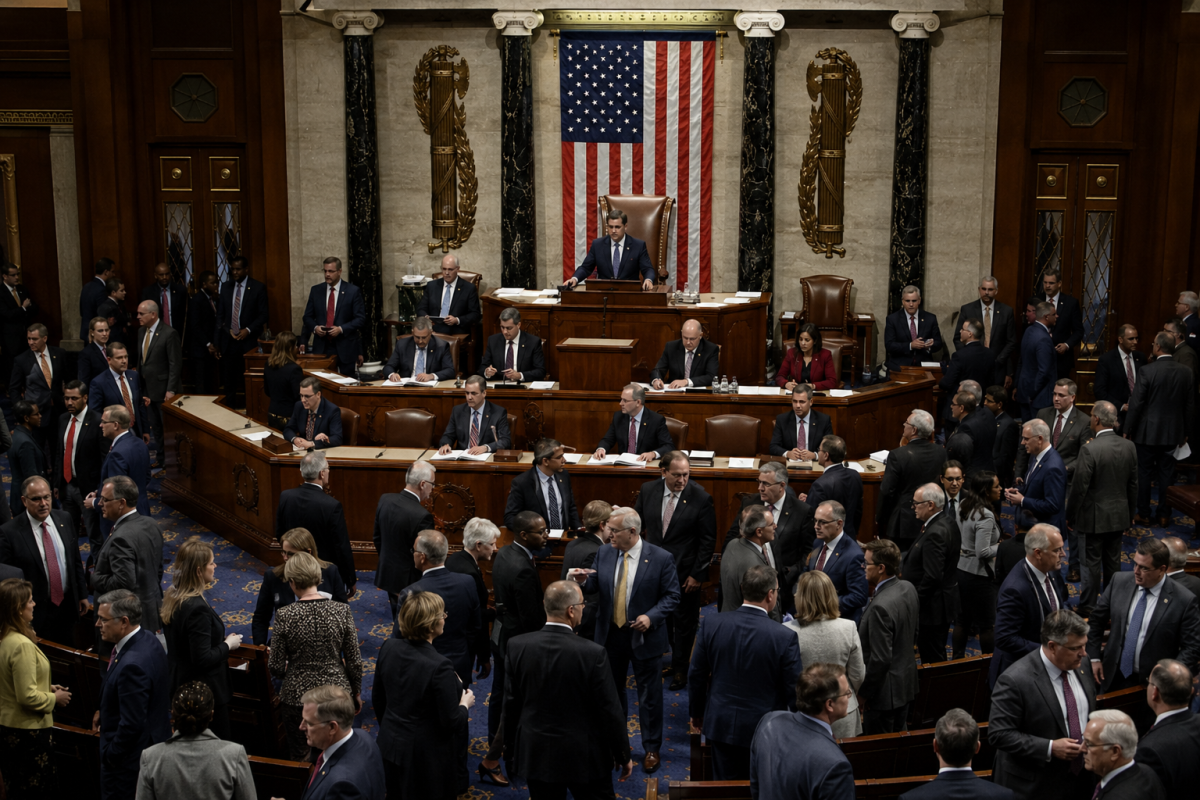
House Votes to Reinforce Congress' War Powers
The Republican-controlled House approved the resolution in a 214-208 vote, with four Republican lawmakers joining Democrats in support.
The measure, introduced by Rep. Pramila Jayapal (D-Wash.), directs the president to end U.S. military involvement against Iran unless Congress formally authorizes continued military action.
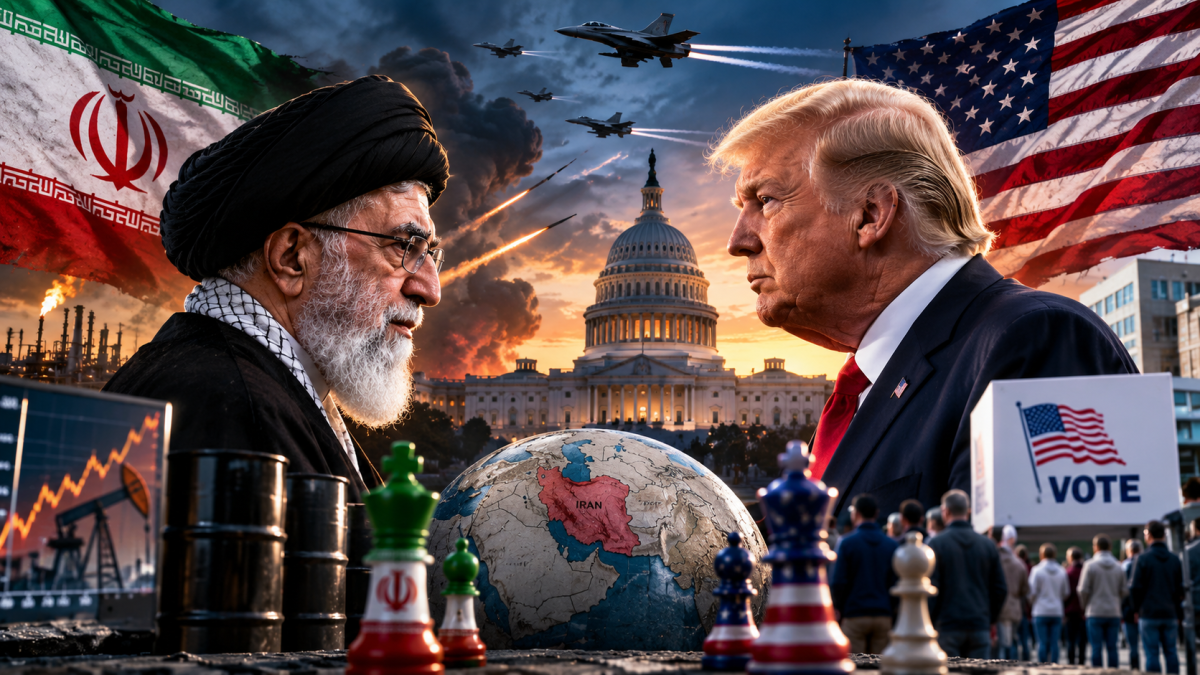
Supporters argued that the Constitution grants Congress—not the president—the authority to approve war, making legislative oversight essential during an expanding military conflict.
Senate Blocks Similar Proposal
While the House advanced its resolution, the Senate reached a different conclusion.
Senators voted 49-47 against moving forward with a comparable war powers measure, preventing it from advancing.
Republican Sen. Susan Collins of Maine joined Democrats in supporting the proposal, while Democratic Sen. John Fetterman of Pennsylvania voted with Republicans against it. Four Republican senators did not participate in the vote.
The differing outcomes underscore continuing divisions within both political parties over U.S. involvement in the conflict.
Resolution Carries Political Weight but Limited Immediate Impact
Even though the House approved the resolution, it does not automatically require the administration to halt military operations.
Congress has previously passed similar war powers resolutions since military action involving Iran began earlier this year, but those measures have not resulted in an end to U.S. operations.
Instead, the vote serves primarily as a political statement reflecting growing concern among lawmakers over the conflict's duration and congressional oversight.
Lawmakers Express Concerns Over Expanding Conflict
Supporters of the House resolution said the United States should not remain engaged in military action without explicit congressional authorization.
Jayapal described the issue as one that extends beyond partisan politics, arguing that Congress should play a central role in decisions involving armed conflict.
Critics, however, defended the administration's military strategy and argued that limiting presidential flexibility during an active conflict could weaken U.S. national security.
Some Republican lawmakers also accused supporters of the resolution of undermining the commander in chief during wartime.
Iran Conflict Remains a Political Issue Ahead of Midterm Elections
The debate comes as both parties prepare for November's midterm elections.
Democrats have increasingly linked the prolonged conflict to rising economic concerns, including higher fuel prices and broader questions about military spending.
Meanwhile, Republican leaders have continued defending the administration's approach, arguing that sustained military pressure is necessary to counter threats from Iran and its regional allies.
Constitutional Debate Returns to Capitol Hill
The votes renewed a longstanding debate over the balance of power between Congress and the White House.
Under the U.S. Constitution, Congress holds the authority to declare war, although presidents have historically ordered limited military operations without prior congressional approval under certain circumstances.
That constitutional question remains central as lawmakers continue debating the administration's authority to conduct military operations overseas.
What's Next
Despite the House vote, U.S. military operations are expected to continue while Congress remains divided over future action. Lawmakers are likely to revisit the issue if the conflict escalates further or additional requests for military authority reach Capitol Hill.
FAQ
What did the House vote on regarding Iran?
The House approved a resolution directing President Donald Trump to end U.S. military operations against Iran unless Congress authorizes continued action.
Did the Senate approve the same measure?
No. The Senate voted 49-47 to block a similar war powers resolution.
Does the House resolution stop military operations?
No. The resolution is largely symbolic and does not automatically end ongoing U.S. military action.
Why is Congress debating Trump's war powers?
Supporters argue that the Constitution gives Congress the authority to approve military action, while opponents believe the president needs flexibility to respond to security threats.
Which Republicans supported the House resolution?
Four Republicans voted in favor: Tom Barrett, Brian Fitzpatrick, Warren Davidson, and Thomas Massie.
Why is the issue politically significant?
The debate comes ahead of the U.S. midterm elections, with lawmakers increasingly divided over the ongoing conflict, military strategy, and Congress' role in authorizing the use of force.