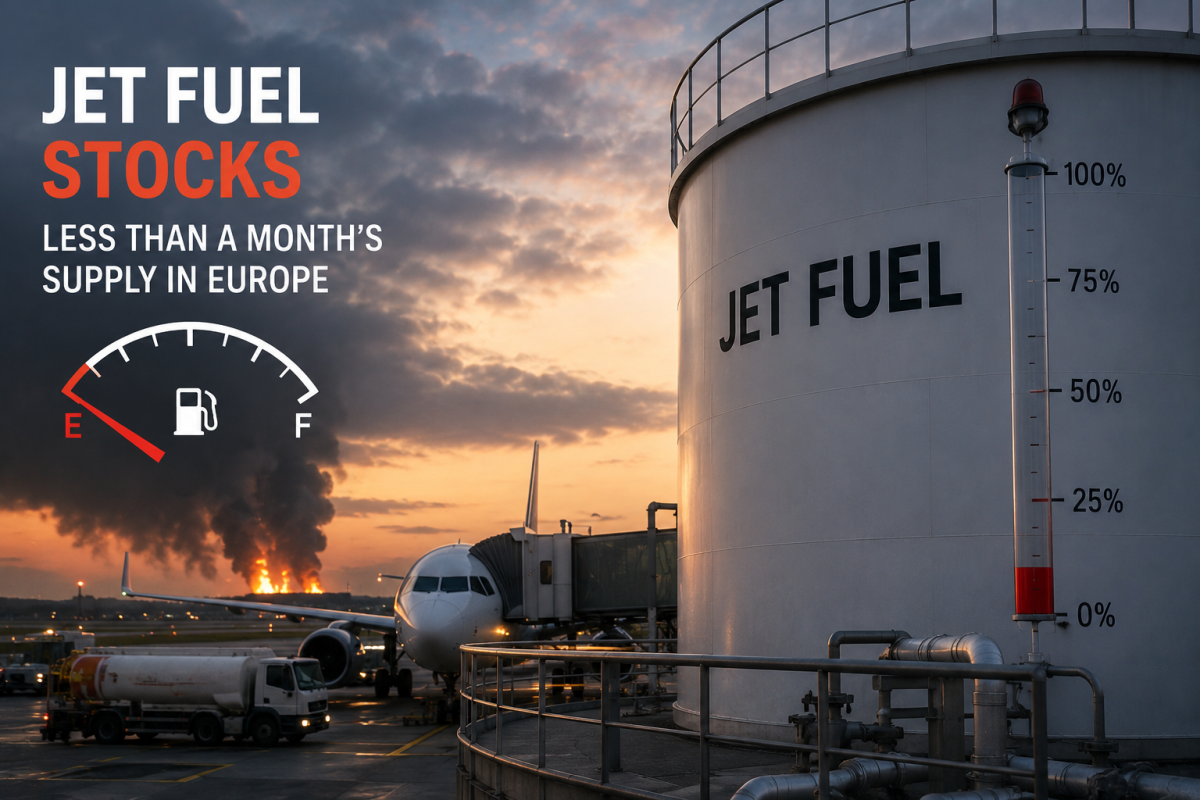
Europe Faces Tight Jet Fuel Supplies as Iran Tensions Renew Concerns Over Middle East Shipments
Europe's jet fuel market is under growing pressure as renewed military tensions involving Iran raise fresh concerns about fuel shipments through the Strait of Hormuz, leaving the region with one of its lowest inventory levels in years ahead of the peak summer travel season.
Despite increasing refinery production, importing fuel from new suppliers, and drawing down inventories, Europe remains heavily exposed to potential supply disruptions because of its dependence on fuel shipments passing through the Middle East.

Europe Has Less Than a Month of Jet Fuel Supply
Market data suggests Europe's jet fuel inventories remain significantly tighter than those in other major regions.
According to Energy Aspects, Europe held approximately 38 million barrels of jet fuel at the beginning of June, compared with about 99 million barrels in the United States. Based on current consumption levels, that leaves Europe with less than 30 days of supply, making it the most vulnerable major aviation fuel market.

The consultancy also projects a third-quarter supply deficit of nearly 600,000 barrels per day, while the United States and Asia-Pacific are expected to remain in surplus.
Strait of Hormuz Remains a Critical Risk
The latest market concerns follow renewed military strikes between the United States and Iran that have once again placed the Strait of Hormuz at the centre of global energy security.

Before conflict disrupted the region earlier this year, roughly 20% of the world's seaborne oil and liquefied natural gas passed through the strategic waterway.
Although shipping partially resumed in June after a temporary easing of tensions, the recent escalation has renewed fears that further disruptions could tighten global fuel supplies, particularly for Europe.

Refiners and Imports Help Offset Supply Pressure
European refiners have increased production while traders continue sourcing fuel from a broader range of countries to reduce reliance on the Middle East.
According to Kpler, Europe imported approximately 673,000 barrels per day of jet fuel in June, the highest monthly level since October 2025.
The United States and Nigeria were the largest suppliers during the month, while additional cargoes arrived from Canada, India, Kuwait, and South Korea.
Imports from India reached their highest level since February, and Kuwait is expected to resume shipments to Europe in August after several months of interruption.
Domestic Production Expands Across Europe
Several European refiners have also increased output to help meet demand.
In Italy, jet fuel production rose about 10% during the first four months of the year. Higher domestic production allowed local refiners to supply nearly 70% of national demand during March and April while reducing import requirements.
Energy company Eni, one of Italy's largest jet fuel producers, also boosted production by importing semi-finished petroleum products for processing inside Europe.
Officials Warn Supplies Could Tighten Further
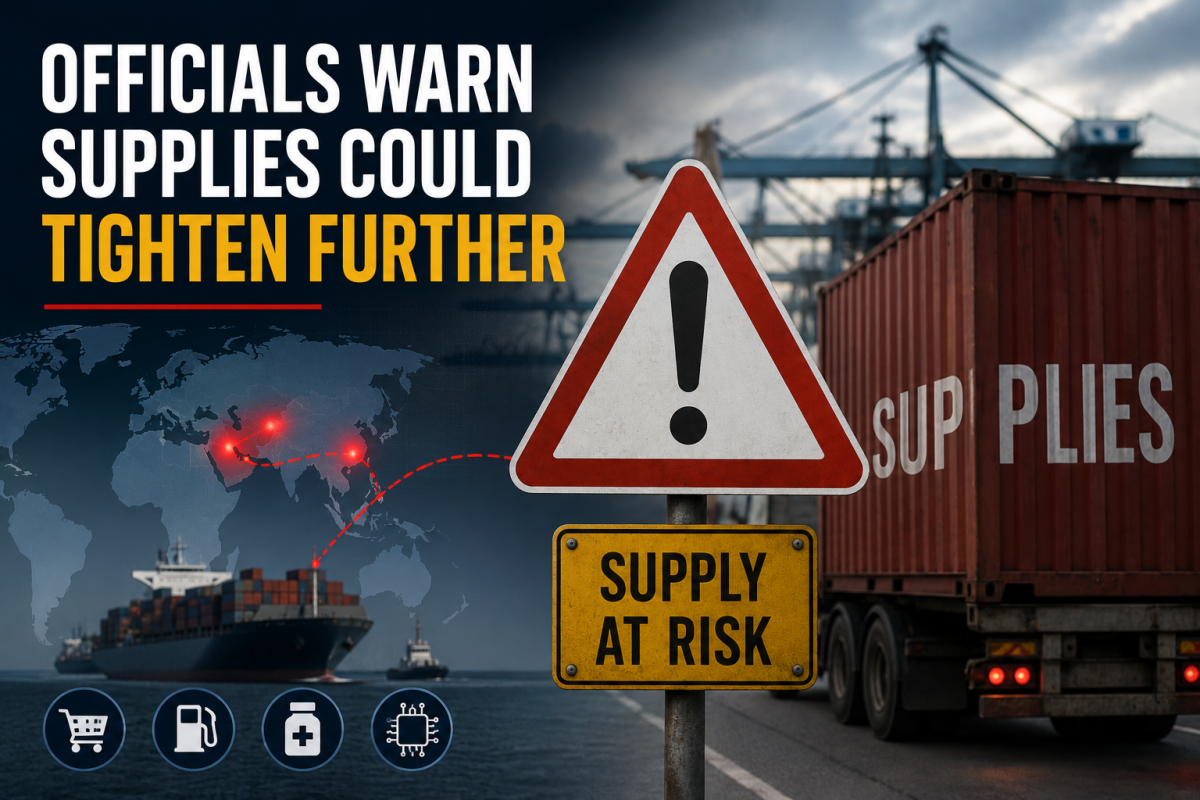
While inventories have improved compared with earlier in the year, analysts believe the market could remain tight throughout the busy summer travel season.
The International Energy Agency (IEA) reported that European jet fuel inventories at the end of May were about 10% higher than a year earlier, supported by increased refinery output. Even so, current stock levels still provide only about one month's worth of demand.
European Union Energy Commissioner Dan Jørgensen has warned that fuel supplies could tighten later in the summer and said the European Commission is prepared to coordinate releases from national reserves if necessary.
Airlines Unlikely to Pass Along Lower Fuel Costs
Jet fuel prices in northwest Europe have eased considerably since peaking earlier this year, falling to around $133 per barrel from more than $215 per barrel at the end of March.
Lower fuel costs offer some relief for airlines, as fuel typically represents 20% to 25% of operating expenses.
However, industry analysts say travellers should not expect immediate airfare reductions because strong passenger demand and limited flight capacity continue to support ticket prices, even as fuel markets stabilise.