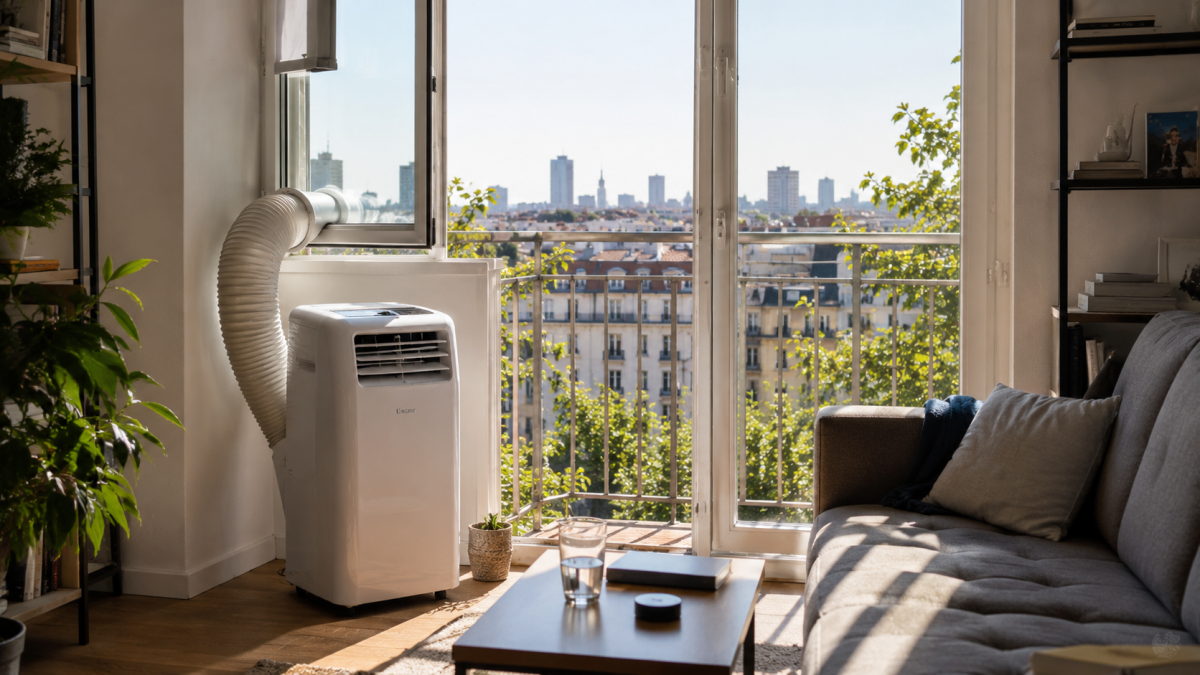
Europe Turns to Air Conditioning as Record Heatwaves Reshape Summer Living
Repeated heatwaves across Europe are changing how millions of people prepare for summer, with air conditioners becoming an increasingly common household appliance in regions where cooling systems were once considered unnecessary.
As temperatures climb higher and heatwaves become more frequent, homeowners and renters are investing in portable cooling solutions that can be installed with minimal building modifications. The shift is also boosting demand for Chinese manufacturers that have expanded their presence in the European appliance market with products designed specifically for local housing conditions.

The growing interest reflects a broader adaptation to climate change as Europe experiences longer and more intense periods of extreme heat.
Extreme Heat Is Changing Consumer Habits
Many European countries have traditionally relied on natural ventilation, fans and building insulation to cope with summer temperatures.
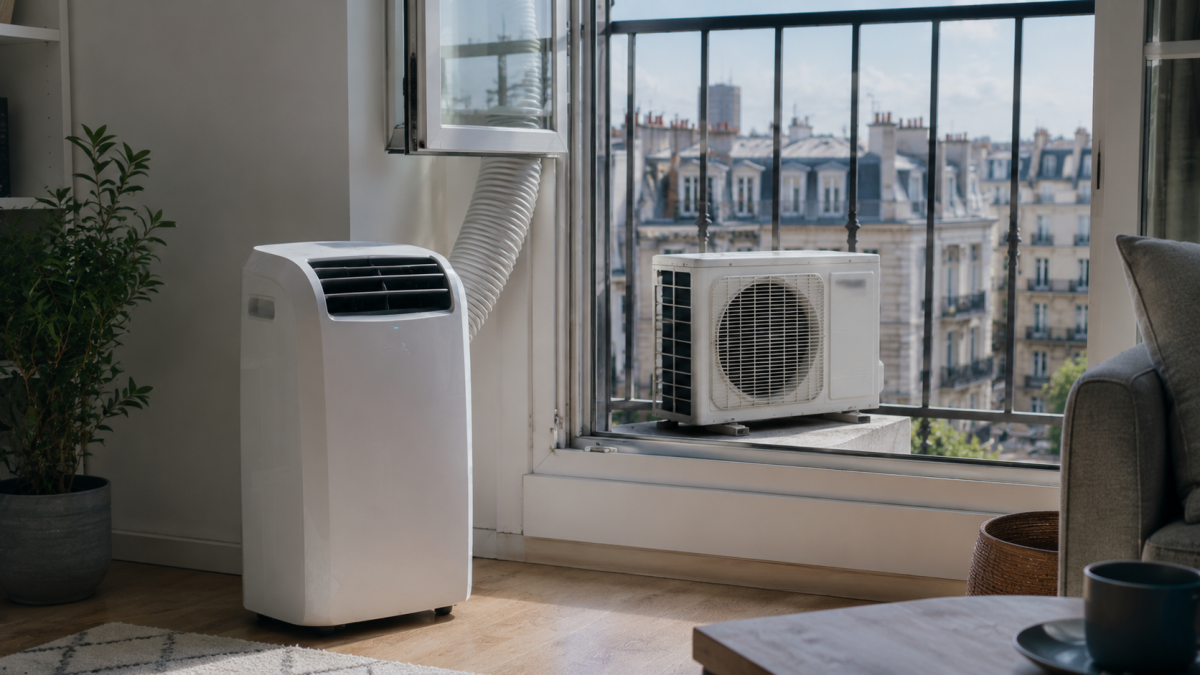
However, recent summers have repeatedly broken temperature records, forcing residents to reconsider long-term cooling options.
Urban apartments, especially those located beneath rooftops or inside older buildings, often become difficult to cool during prolonged heatwaves. For many households, portable air conditioners now offer a practical solution without requiring permanent structural changes.
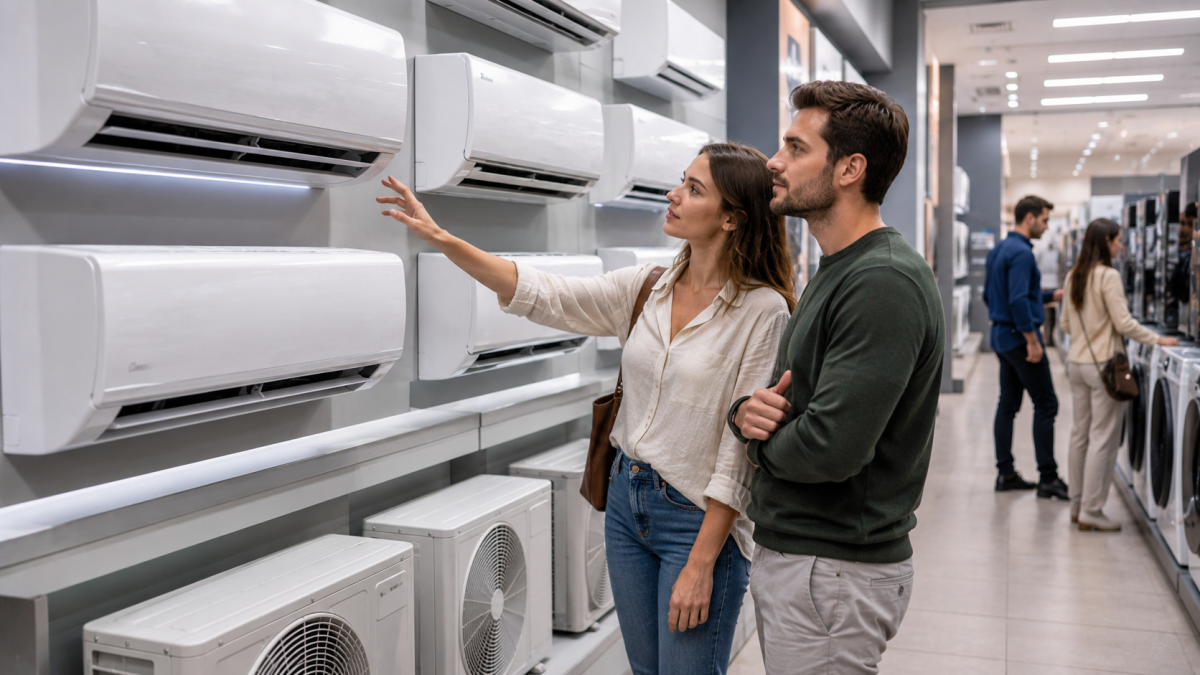
Retailers across several European markets have reported increased consumer interest in cooling appliances during peak summer months.
Portable Cooling Systems Gain Popularity
Portable split air conditioners are attracting attention because they provide stronger cooling performance than conventional portable units while avoiding the complex installation associated with traditional fixed systems.
Several manufacturers have introduced models that can be used in apartments where permanent exterior installations are restricted by local planning rules or historic preservation requirements.
The flexibility of these systems has made them particularly appealing to renters and residents of older city buildings across Germany, France, Spain and other European countries.
Industry analysts say convenience, energy efficiency and ease of installation are becoming major purchasing factors.
Chinese Manufacturers Expand Their European Presence
Chinese appliance makers, including Midea, Gree, and TCL, have strengthened their position in Europe by offering products tailored to regional consumer preferences.
Their growing presence reflects years of investment in research, product design and distribution networks aimed at international markets.
Industry observers note that many consumers now evaluate appliances primarily on performance, efficiency and reliability rather than manufacturing origin.
The increased visibility of Chinese home appliance brands also highlights the broader transformation of China's consumer technology sector, which has become increasingly competitive in global markets.
Balancing Comfort and Sustainability
While air conditioning provides immediate relief during extreme heat, its wider adoption also raises environmental questions.
Cooling systems increase electricity demand during peak summer periods and contribute to greenhouse gas emissions when powered by fossil fuel-based electricity generation.
Governments and environmental experts continue to encourage the use of energy-efficient appliances alongside measures such as improved building insulation, urban tree planting and passive cooling design.
Public health specialists, however, stress that access to cooling can be essential during dangerous heat events, particularly for older adults, young children and people with medical conditions.
Climate Change Is Driving Long-Term Demand
Scientists expect extreme heat events across Europe to become more frequent and intense as global temperatures continue to rise.
This trend is influencing both public infrastructure planning and household purchasing decisions.
Schools, hospitals, public buildings and transport systems are increasingly evaluating investments in cooling technologies to improve resilience during future heatwaves.
For manufacturers, the shift represents a growing market where demand is increasingly driven by climate adaptation rather than luxury spending.
Conclusion
Europe's changing climate is transforming consumer attitudes toward air conditioning. Products once viewed as optional are becoming practical necessities for many households facing repeated heatwaves.
As temperatures continue to challenge traditional approaches to summer living, manufacturers that combine energy efficiency, ease of installation and affordability are expected to play a larger role in Europe's home appliance market.
Frequently Asked Questions (FAQ)
Why is demand for air conditioners increasing in Europe?
More frequent and intense heatwaves are encouraging households to invest in reliable cooling solutions.
Which companies are benefiting from the trend?
Manufacturers including Midea, Gree, and TCL have expanded their presence in Europe with products designed for local housing conditions.
Why are portable air conditioners popular?
They are easier to install, particularly in apartments where permanent outdoor units may not be permitted.
Do air conditioners affect the environment?
Yes. They increase electricity consumption, although modern energy-efficient models reduce power usage compared with older systems.
Will demand continue to grow?
Industry analysts expect demand to remain strong as climate change contributes to more frequent periods of extreme heat across Europe.