Ecuador's Drug War Intensifies as Police Battle Gangs, Corruption and Rising Violence
Ecuador's fight against organized crime has become increasingly complex as police officers confront heavily armed drug gangs while also battling corruption within state institutions.
In the city of Durán, one of the country's most violent hotspots, law enforcement officials say criminal organizations continue to expand their influence through drug trafficking, intimidation, and alleged infiltration of public institutions.
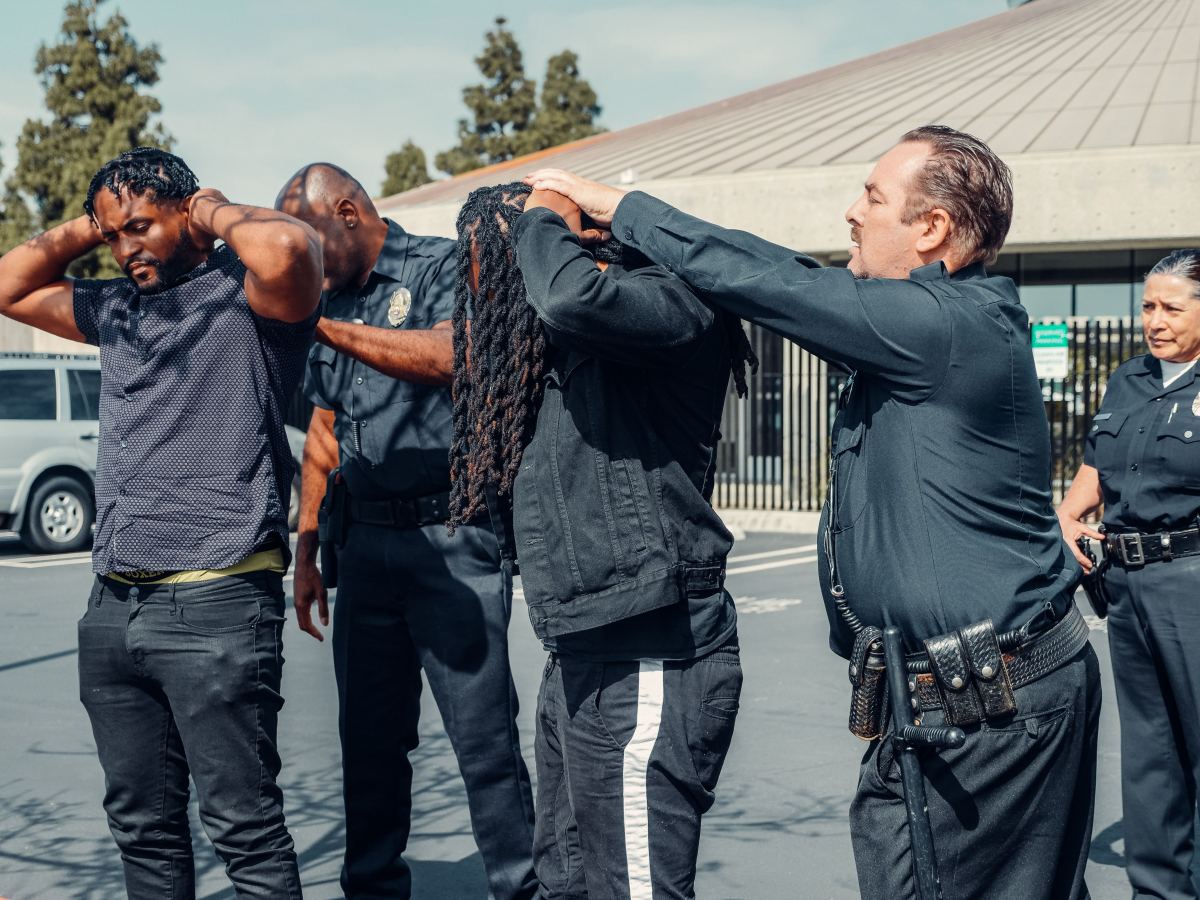
Police Face Threats From Criminal Networks
Police officers operating in Durán describe a constant struggle against gangs that are better funded and often better equipped than security forces.
Captain Jean Carlos Bustamante, who leads a specialized police unit, says officers regularly recover illegal firearms and arrest suspected drug traffickers during raids. However, he acknowledges that gangs possess extensive financial resources and continue to recruit members despite ongoing security operations.
According to officers, fear among local residents makes gathering intelligence difficult, as witnesses often avoid cooperating with authorities because of threats from criminal groups.
Corruption Undermines Enforcement Efforts
Police officials argue that corruption remains one of the biggest obstacles in Ecuador's campaign against organized crime.
Senior officers allege that some gang members regain their freedom after arrest, allowing criminal networks to continue operating. They also claim that corruption within public institutions enables gangs to receive advance warning of police operations.
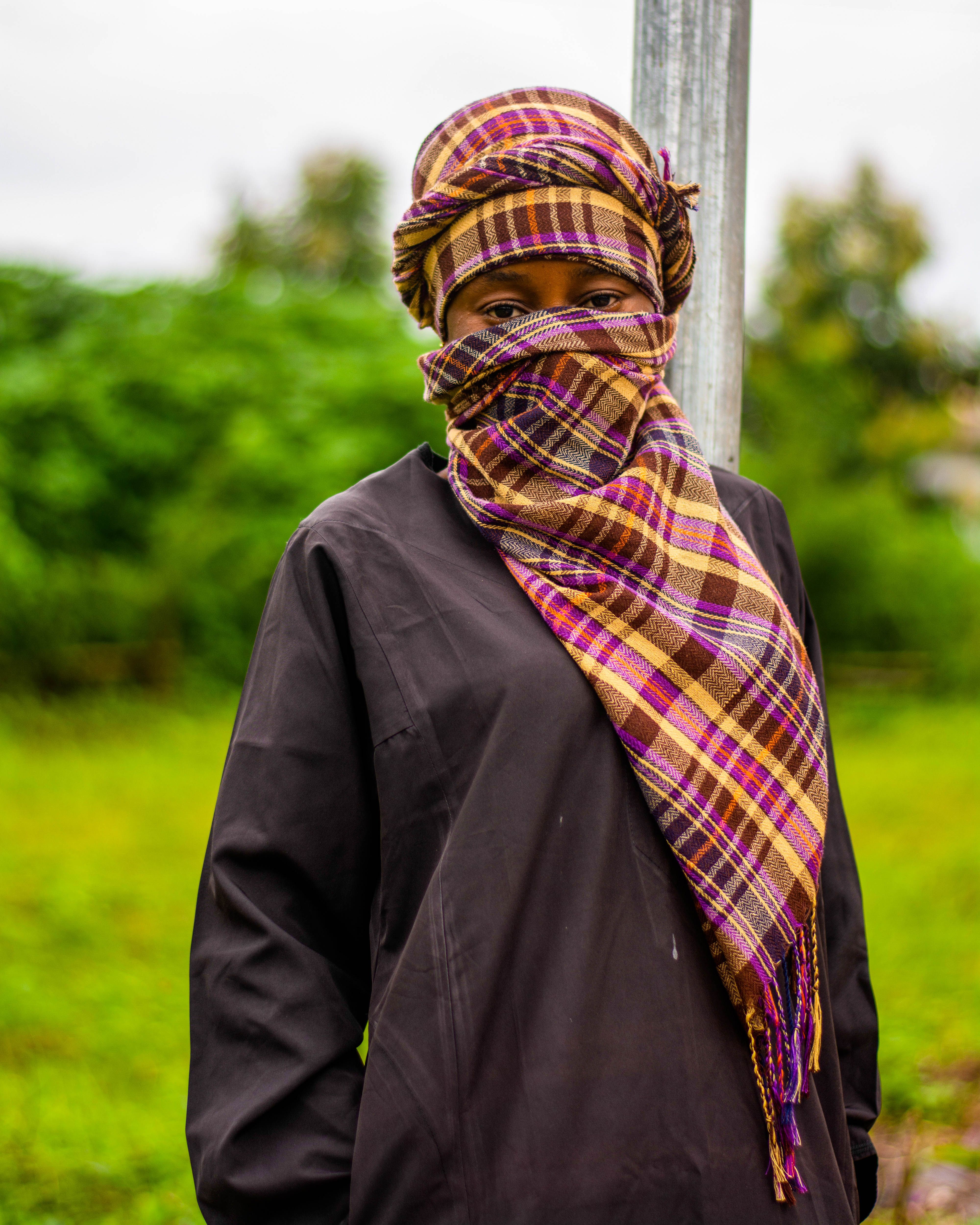
One officer, whose identity was withheld for security reasons, said he had previously rejected substantial bribe offers intended to influence law enforcement activities.
Drug Trafficking Fuels Violence
Ecuador has become a key transit route for cocaine produced in neighboring Colombia and Peru.
Officials say criminal groups with international connections use the country's Pacific coastline and port infrastructure to move narcotics toward markets in Europe and the United States. According to Ecuadorian authorities, a large share of cocaine destined for those markets passes through the country.
The expansion of drug trafficking has contributed to a sharp rise in violent crime over the past decade.
Murder Rates Remain Among the World's Highest
Despite an aggressive security crackdown launched by President Daniel Noboa, Ecuador continues to experience exceptionally high levels of violence.
Police say some progress has been made in Durán, with homicide numbers declining during the first half of the year. However, officials acknowledge that gang rivalries continue to trigger shootings, targeted killings, and armed confrontations across the region.
Authorities believe dismantling organized crime networks will require sustained law enforcement efforts alongside broader institutional reforms.
Communities Continue to Live in Fear
Residents in gang-controlled neighborhoods say daily life remains overshadowed by violence.
Witnesses described frequent shootings and ongoing concerns about becoming innocent victims of gang attacks. Criminal organizations are also accused of recruiting teenagers into the drug trade, adding to long-term security challenges facing local communities.
Police officers say they remain committed to restoring public safety despite the dangers and personal risks involved.
Outlook
Ecuador's battle against organized crime is expected to remain one of the country's biggest security challenges.
While authorities report localized improvements in some areas, continued gang activity, corruption concerns, and international drug trafficking networks suggest the country's anti-crime campaign will require sustained political, judicial, and law enforcement cooperation in the years ahead.