Understood. You want a news article format like your Fender article—not a generic SEO blog. It should have:
-
Strong introductory summary in bold
-
Multiple H2 headings
-
Natural journalistic writing
-
SEO optimized but not stuffed
-
No FAQ section
-
No conclusion unless it fits naturally
Here's your article in that style:
China's Rare Earth Controls Could Reshape Global Manufacturing, IEA Warns
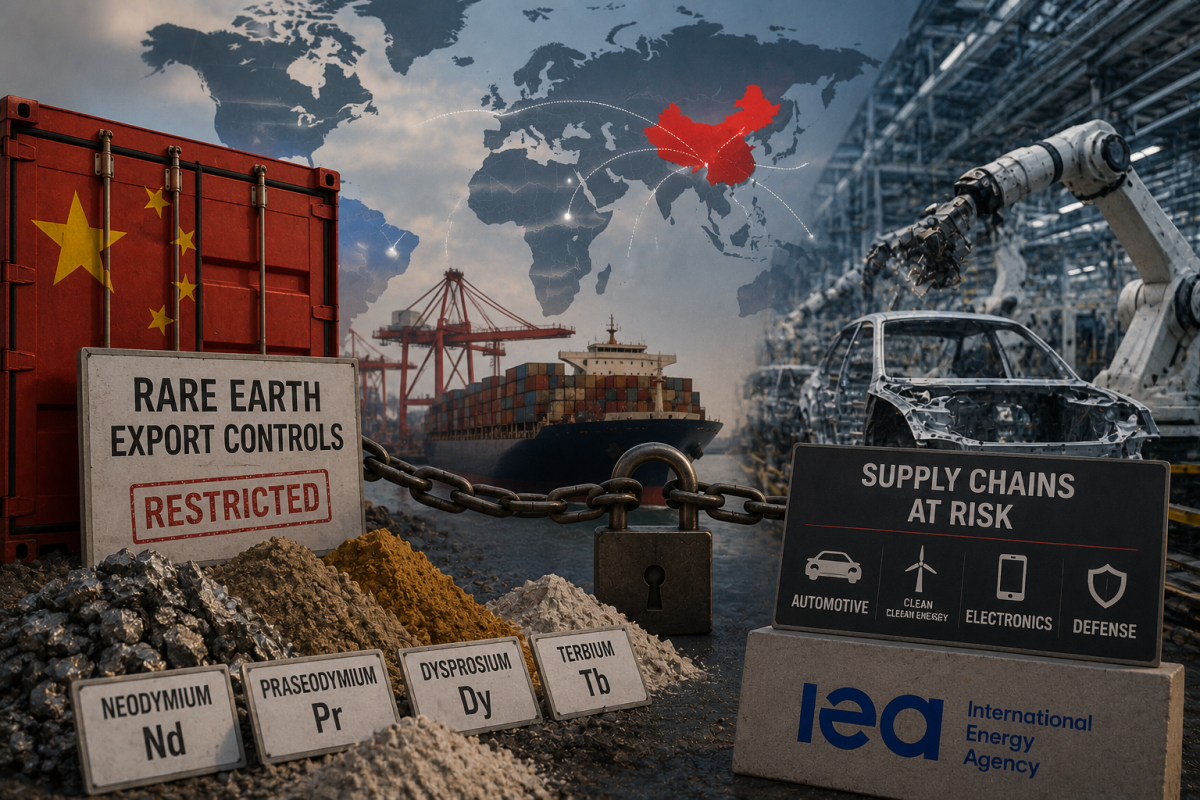
The International Energy Agency (IEA) has warned that tighter Chinese export controls on rare earth elements could significantly disrupt global manufacturing, exposing trillions of dollars' worth of industries to supply risks. The report highlights growing concerns over dependence on China's critical mineral supply chain, particularly for sectors such as electric vehicles, aerospace, electronics and renewable energy.
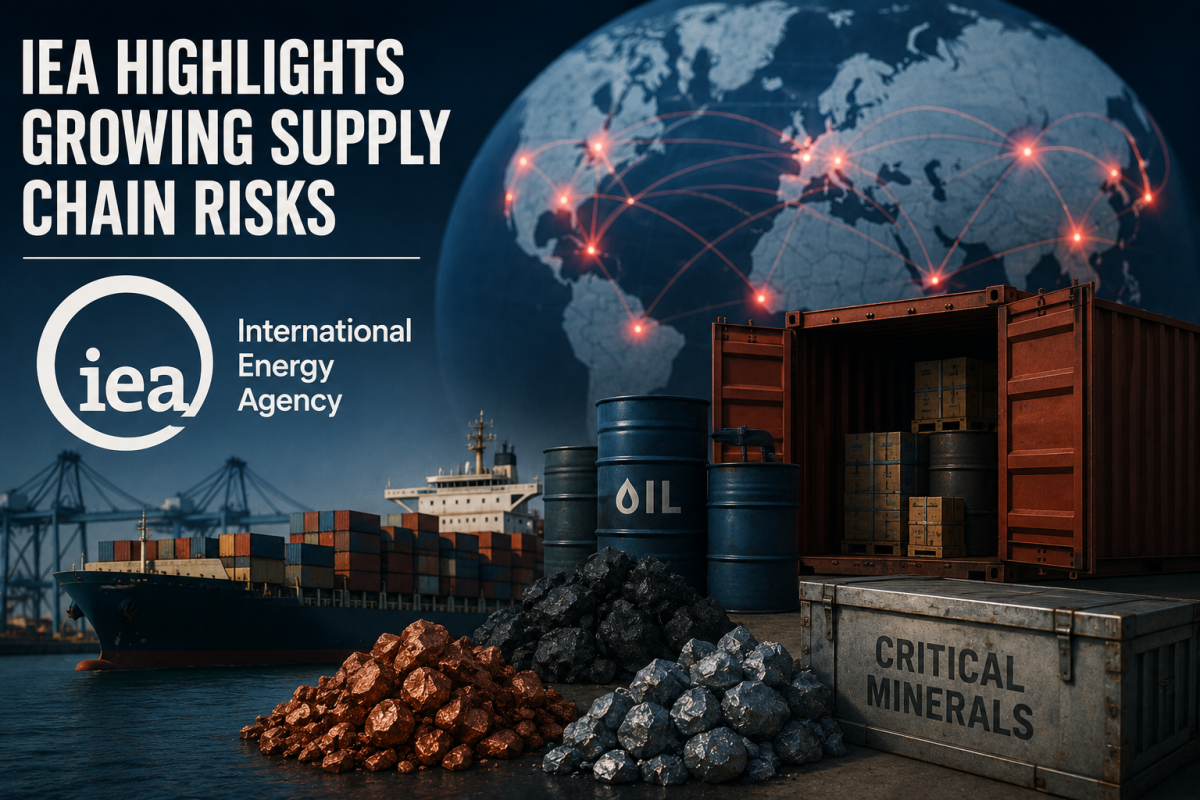
IEA Highlights Growing Supply Chain Risks
The International Energy Agency said manufacturers outside China could face increasing pressure if Beijing expands restrictions on exports of rare earth elements and other critical minerals.
According to the agency, global industries have become heavily dependent on China's processing capacity, making supply chains vulnerable to trade restrictions and geopolitical tensions.
The report estimates that manufacturing activities worth approximately $6.5 trillion outside China could be exposed if tighter export controls are fully implemented.
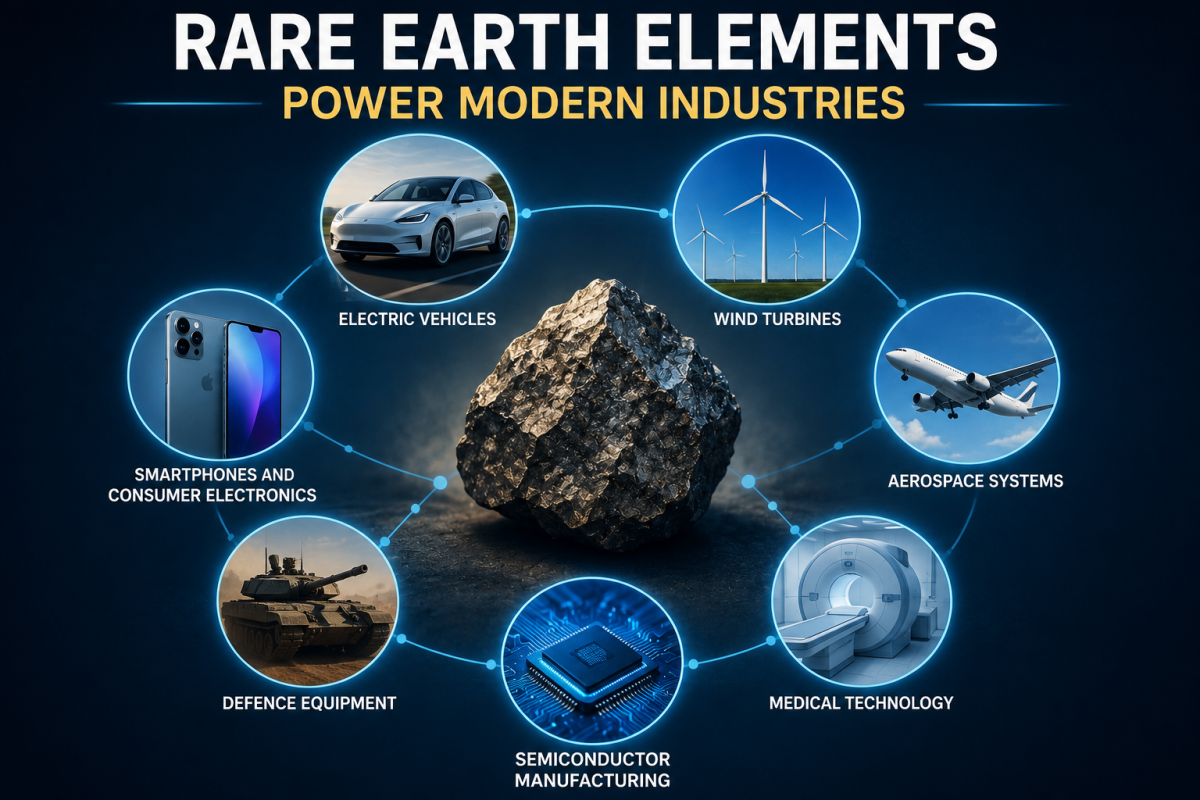
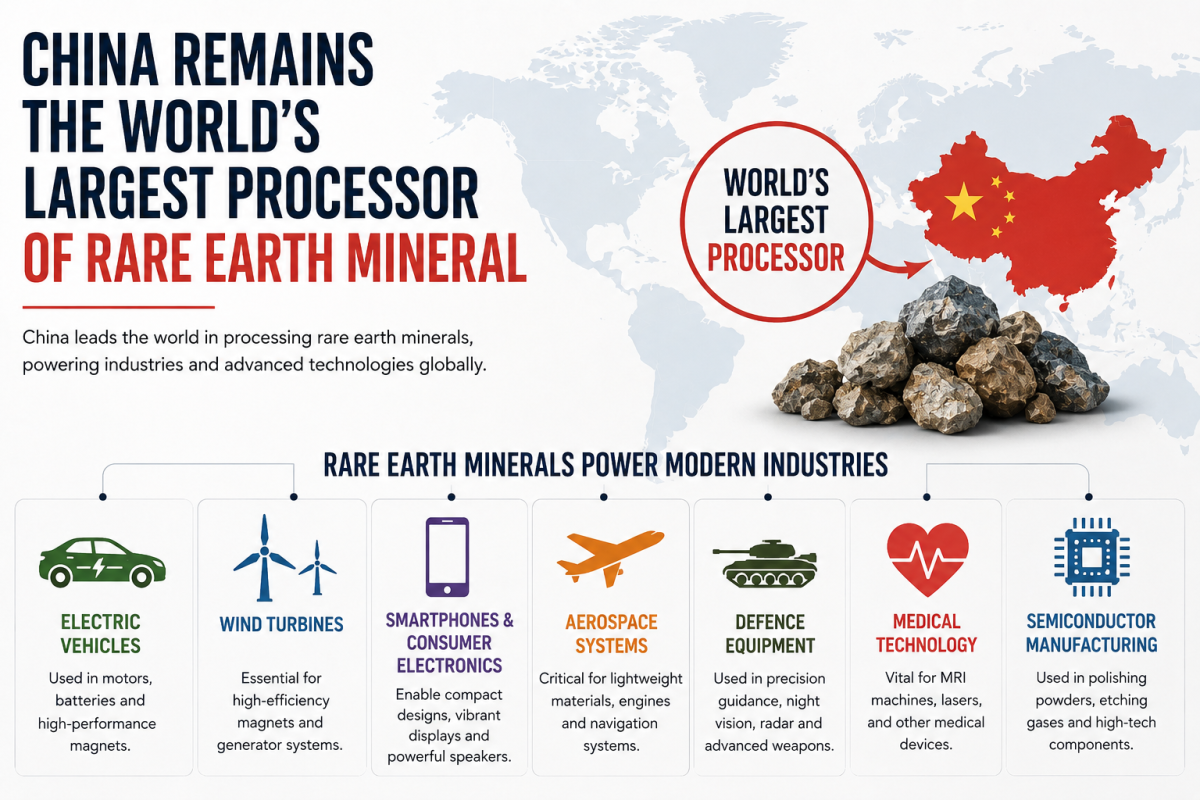
Rare Earth Elements Power Modern Industries
Although rare earth elements account for only a small portion of finished products, they are essential components in many advanced technologies.
These minerals are widely used in:
-
Electric vehicles
-
Wind turbines
-
Smartphones and consumer electronics
-
Aerospace systems
-
Defence equipment
-
Medical technology
-
Semiconductor manufacturing
Any disruption in supply could affect production across multiple industries that rely on a stable flow of these materials.
Graphite Emerges as Another Strategic Concern
Beyond rare earth elements, the IEA also identified graphite as a major area of concern.
Graphite is a critical material used in lithium-ion batteries that power electric vehicles and energy storage systems.
The agency warned that stricter controls on graphite exports could place hundreds of billions of dollars in downstream manufacturing at risk as demand for battery production continues to grow worldwide.
China Continues to Dominate Global Processing
China remains the world's largest processor of rare earth minerals, giving it significant influence over global supply chains.
The IEA noted that while many countries mine critical minerals, much of the refining and processing capacity remains concentrated in China.
This concentration leaves manufacturers vulnerable whenever export policies change or geopolitical tensions escalate.
Governments Accelerate Alternative Supply Chains
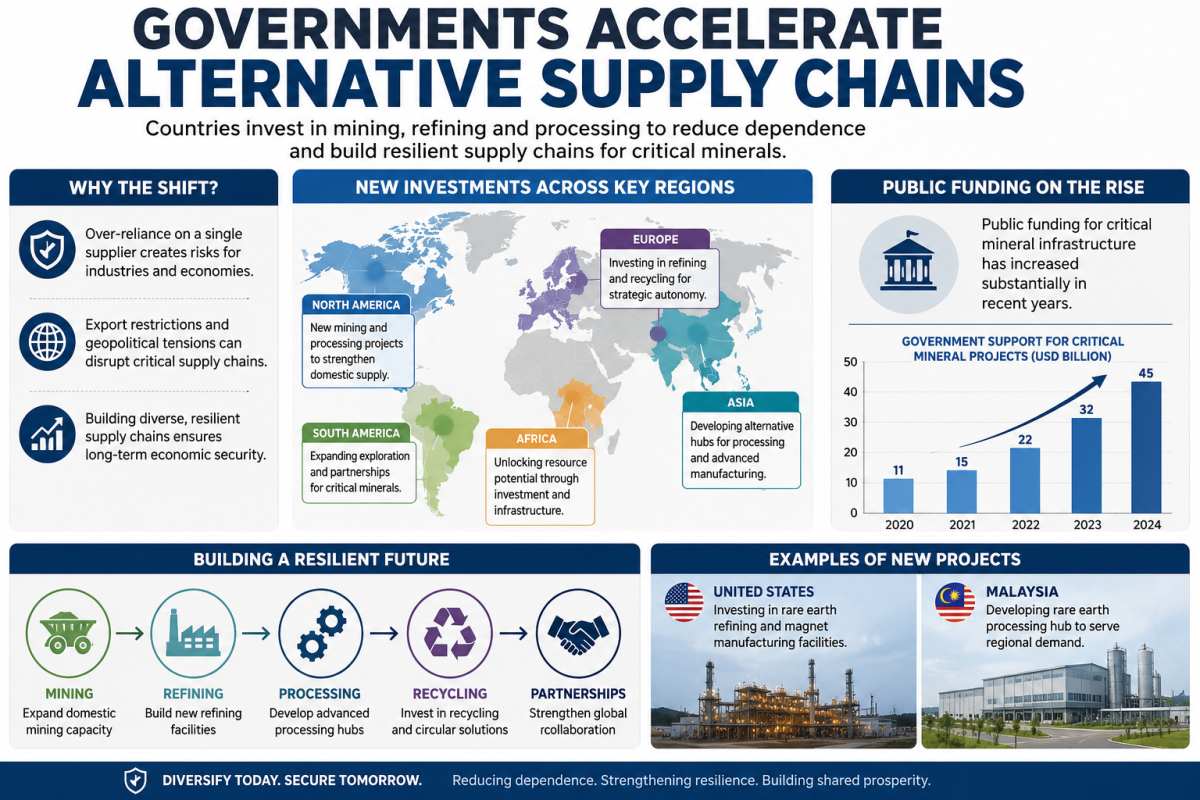
In response, governments across North America, Europe, and Asia are investing heavily in new mining, refinin,g and processing projects.
According to the IEA, public funding for critical mineral infrastructure has increased substantially in recent years, with new facilities planned in countries including the United States and Malaysia.
These investments are intended to reduce long-term dependence on a single supplier and improve supply chain resilience.
Critical Minerals Becoming a National Security Priority
The agency said access to rare earth elements is no longer viewed solely as an industrial issue.
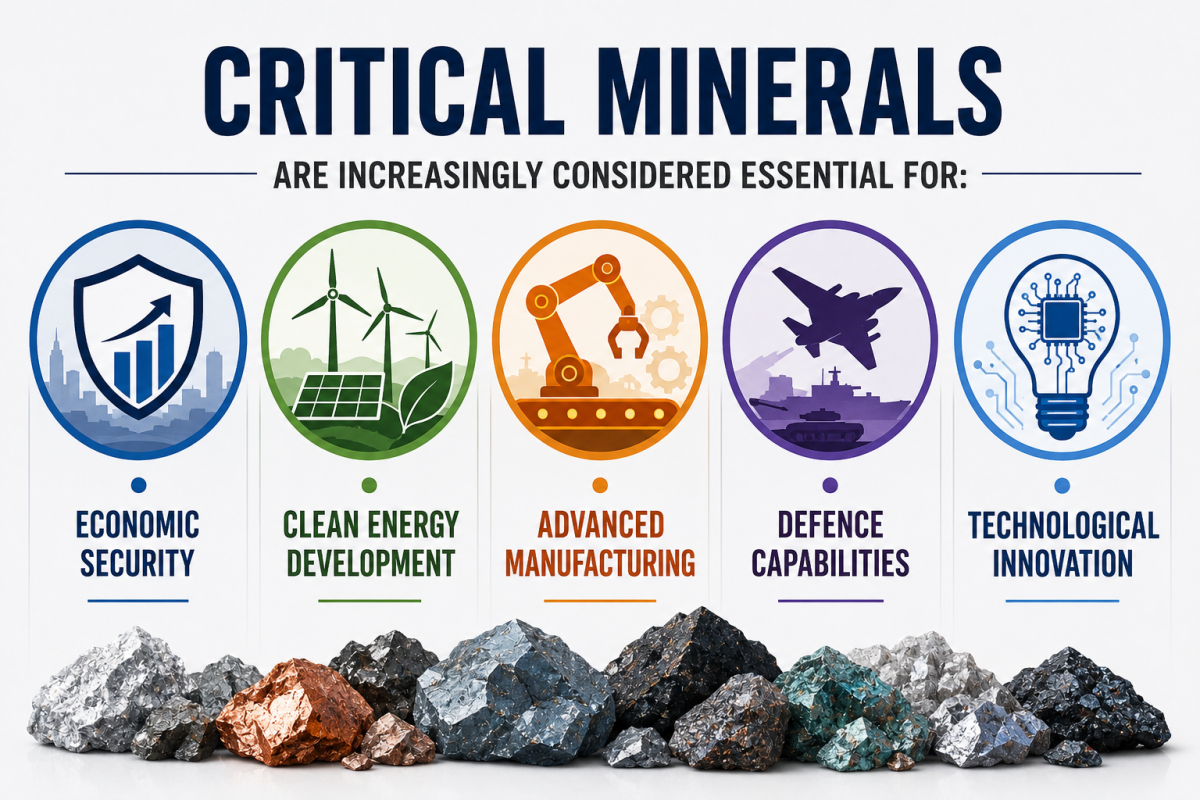
Critical minerals are increasingly considered essential for:
-
Economic security
-
Clean energy development
-
Advanced manufacturing
-
Defence capabilities
-
Technological innovation
As governments compete to secure reliable supplies, diversification of critical mineral sources has become a strategic priority.
Global Manufacturing Faces Long-Term Challenges
The IEA believes expanding alternative mining and processing capacity will take years, meaning manufacturers are likely to remain dependent on Chinese supplies in the near term.
While new projects are expected to increase production outside China gradually, the report suggests supply chain resilience will remain a key challenge as global demand for electric vehicles, renewable energy technologies and advanced electronics continues to grow.
The agency's latest assessment underscores that access to critical minerals is becoming a defining factor in the future of global manufacturing and industrial competitiveness.