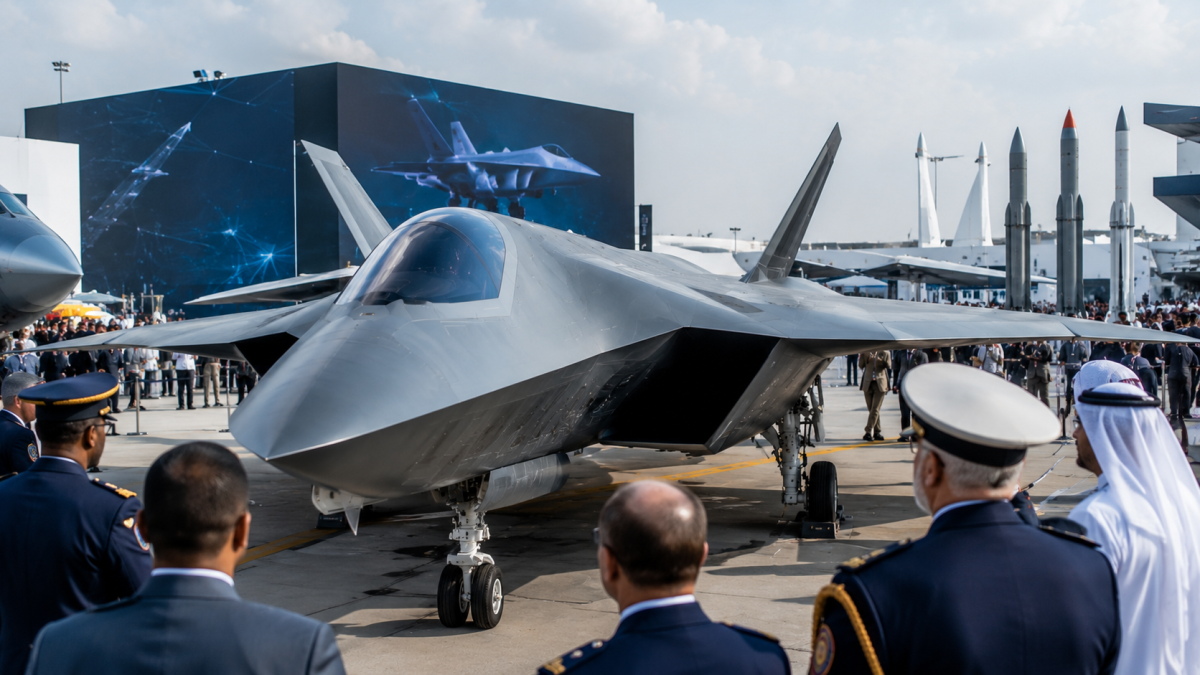
Canada Set to Join Global Fighter Jet Project as Observer
Canada is preparing to take its first formal step toward participating in one of the world's most ambitious military aviation programmes by becoming an observer in the Global Combat Air Programme (GCAP).
If confirmed, the move would make Canada the first country outside the programme's founding members to gain official involvement, opening the door to future cooperation on next-generation combat aircraft.
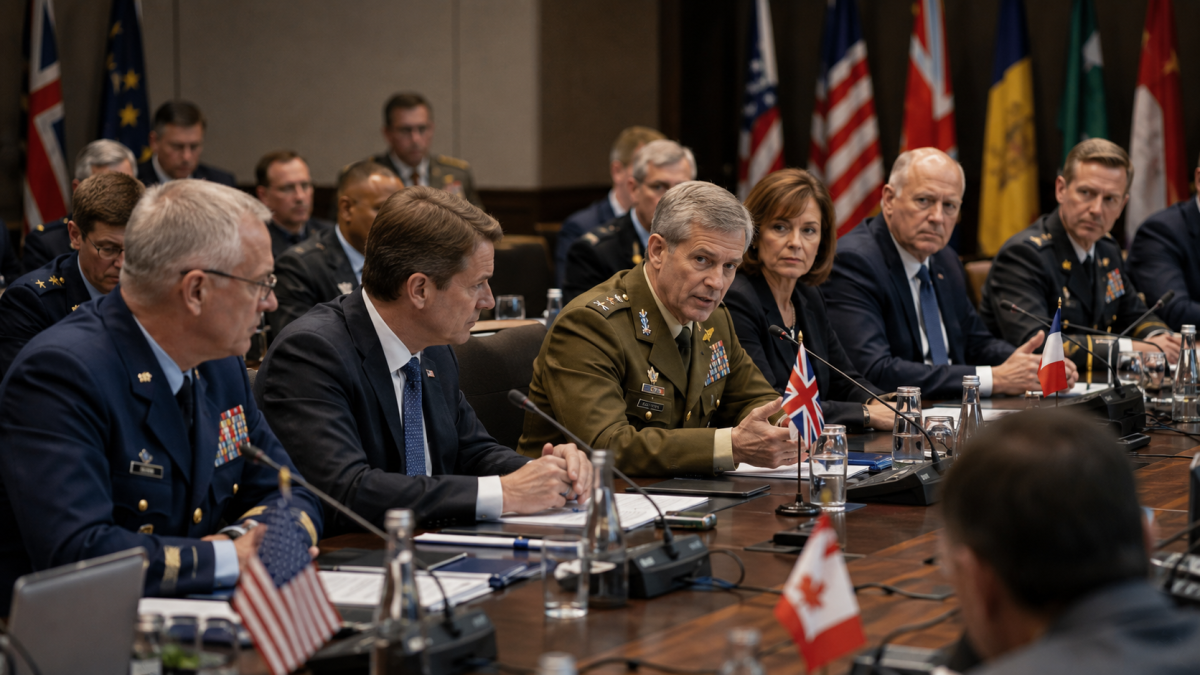
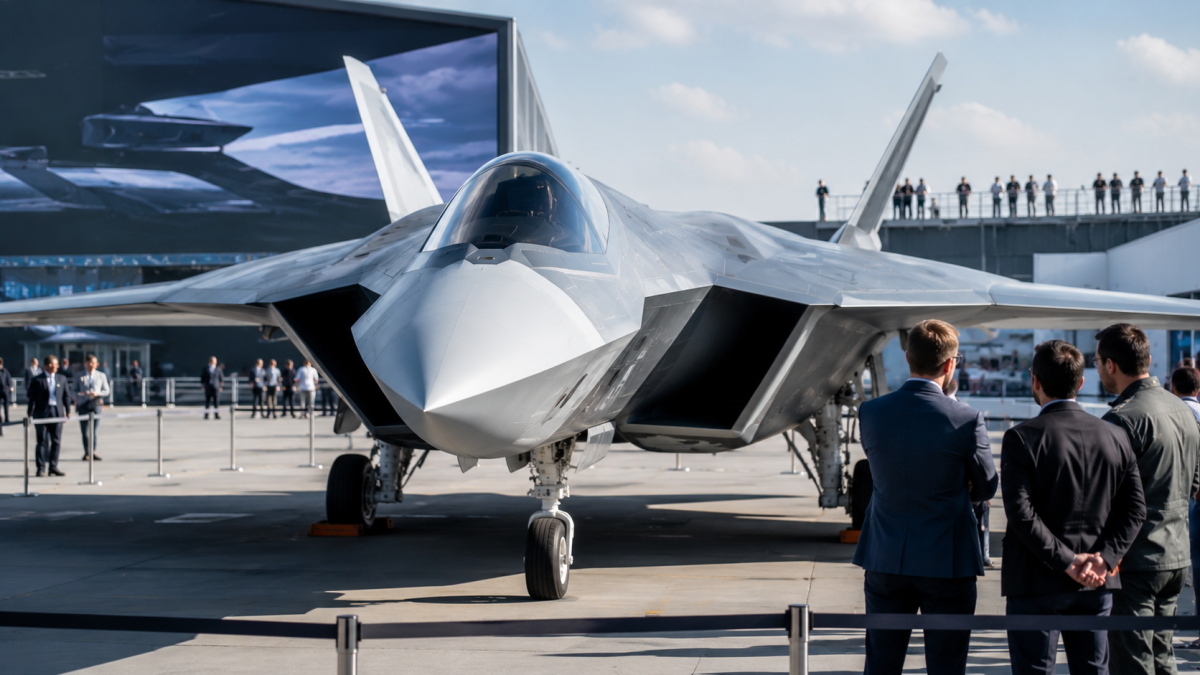
Canada Strengthens Defence Cooperation Beyond North America
The planned observer role reflects Ottawa's broader strategy of expanding defence partnerships with allies in Europe and the Indo-Pacific.
While observer status does not include financial obligations or full programme membership, it allows Canada to better understand the project's progress and evaluate future opportunities for collaboration.

Officials are expected to provide further details during the Farnborough International Airshow in the United Kingdom.

What Is the Global Combat Air Programme?
The Global Combat Air Programme was launched by Japan, the United Kingdom and Italy in 2022 to jointly develop a sixth-generation stealth fighter aircraft.
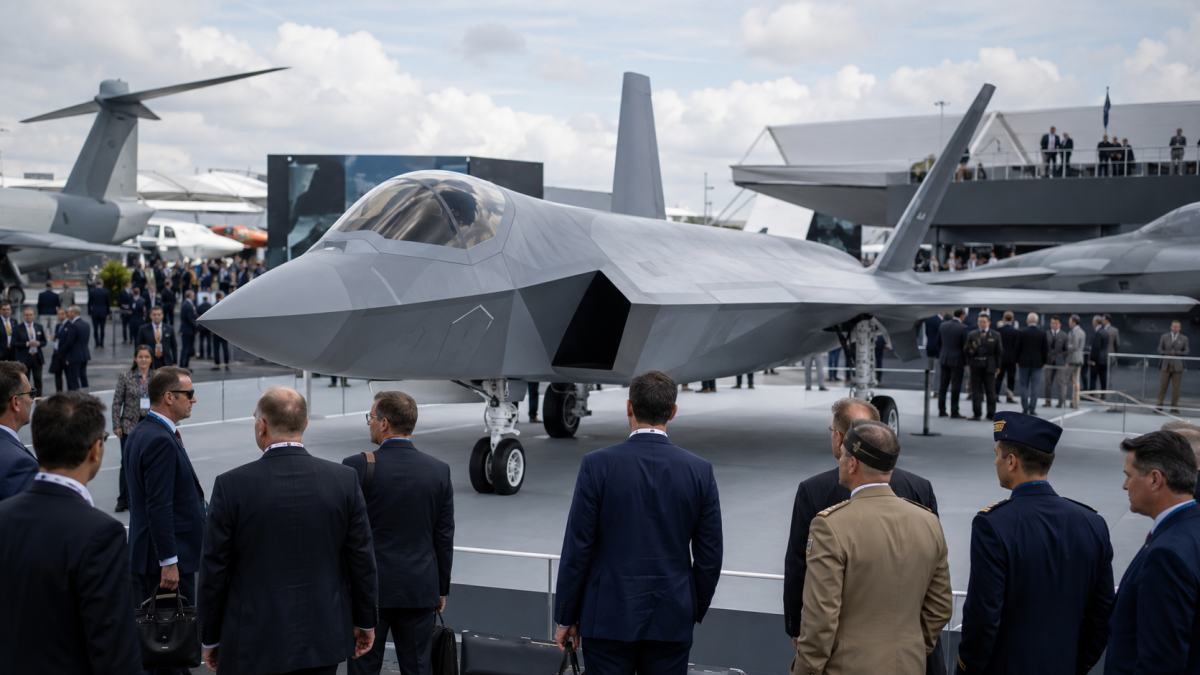
The project brings together three major aerospace companies—BAE Systems, Mitsubishi Heavy Industries and Leonardo—with the goal of introducing the new aircraft around 2035.
The programme is widely regarded as one of the world's leading next-generation military aviation initiatives.
Why Canada's Participation Matters
Although Canada's initial involvement is limited to observer status, defence analysts view the move as a sign of closer strategic cooperation with European and Asian allies.
Participation could eventually create opportunities for Canadian defence companies and strengthen the country's role in future aerospace development if deeper collaboration is pursued.
The announcement also aligns with Canada's efforts to diversify defence partnerships beyond traditional reliance on the United States.
Defence Strategy Continues to Evolve
Canada has recently taken several steps to expand cooperation with international defence partners.
The country has also announced plans to participate in European defence initiatives aimed at improving industrial collaboration and market access for defence companies.
Together, these efforts demonstrate Ottawa's increasing focus on building long-term security partnerships across multiple regions.
What Comes Next?
Observer status represents only the first stage of involvement in the Global Combat Air Programme.
Future cooperation will likely depend on the programme's progress, government priorities and discussions between participating countries.
Any decision to expand Canada's role would be considered at a later stage as the project advances toward its long-term development goals.
Conclusion
Canada's expected entry into the Global Combat Air Programme as an observer marks an important milestone in its evolving defence strategy. While the role does not involve immediate financial commitments, it positions the country closer to one of the world's leading sixth-generation fighter aircraft projects and could pave the way for broader defence and aerospace collaboration in the years ahead.
FAQ
What is the Global Combat Air Programme (GCAP)?
GCAP is a joint defence initiative by Japan, Britain and Italy to develop a sixth-generation stealth fighter aircraft expected to enter service around 2035.
Why is Canada joining GCAP as an observer?
Observer status allows Canada to monitor the programme and explore future cooperation without making financial commitments.
Does observer status mean Canada is a full member?
No. Observer status provides access to information and discussions but does not make Canada a full programme partner.
Which companies are leading GCAP?
The programme is led by BAE Systems, Mitsubishi Heavy Industries and Leonardo.
Why is GCAP important?
It is one of the world's leading sixth-generation fighter aircraft projects and is expected to shape the future of military aviation.