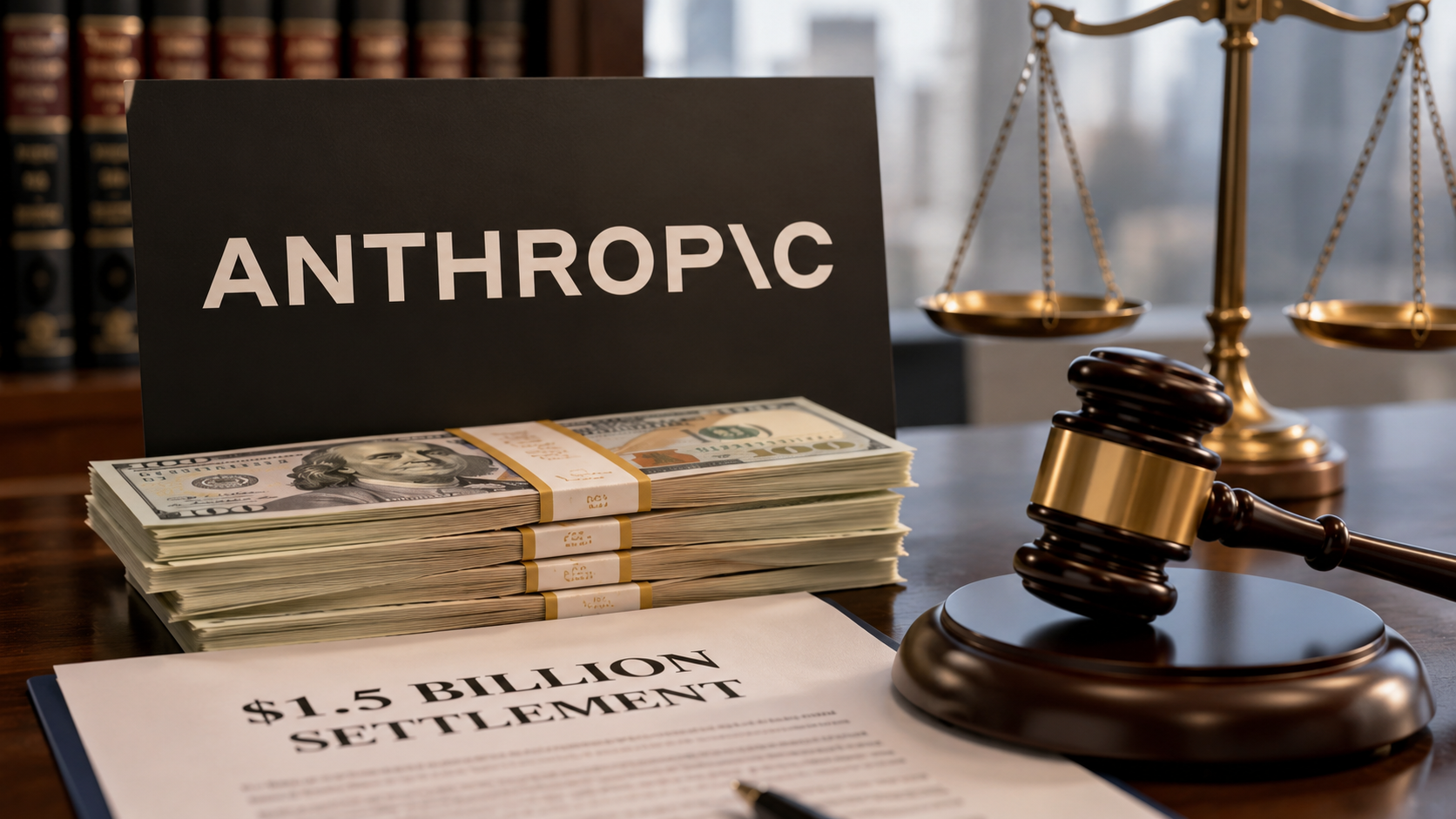
US Judge Approves Landmark $1.5 Billion Anthropic Copyright Settlement in AI Books Lawsuit
A federal judge has approved Anthropic's $1.5 billion settlement in a major copyright lawsuit brought by authors who alleged the AI company improperly used their books to train its Claude chatbot. The decision marks the largest known copyright settlement in U.S. history and represents one of the most significant legal milestones in the ongoing debate over artificial intelligence and copyrighted content.
Federal Court Gives Final Approval to Historic Settlement
A U.S. District Court in San Francisco granted final approval to Anthropic's $1.5 billion settlement, concluding a class action lawsuit filed by a group of authors.
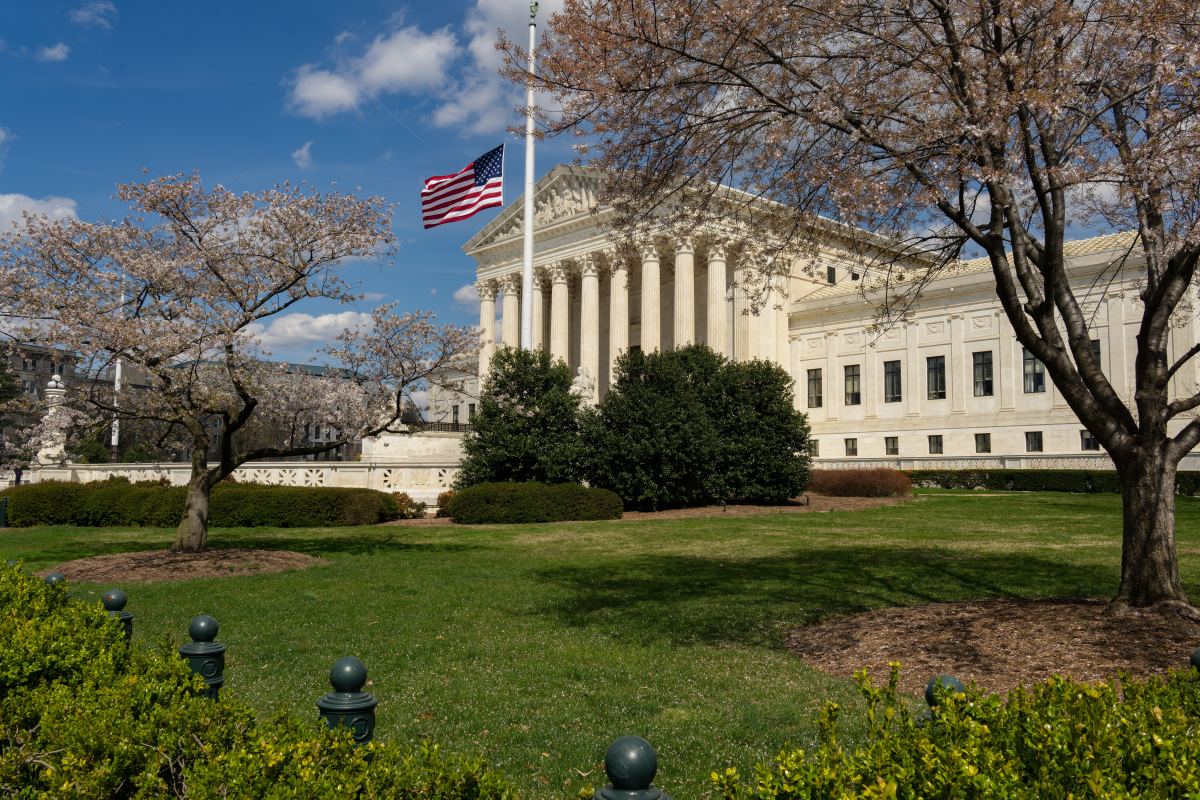
The agreement resolves claims that the company improperly used copyrighted books while developing its AI language model, Claude. The court determined that the settlement was fair despite objections from some authors who believed the compensation should have been larger.
The ruling officially concludes one of the first major copyright disputes involving generative AI to reach a settlement.
Lawsuit Centered on AI Training and Copyrighted Books
The case began after authors alleged that Anthropic used unauthorized copies of their books to train its artificial intelligence system.
The lawsuit argued that copyrighted works had been incorporated into AI development without permission, raising broader questions about how AI companies obtain and use training data.
The dispute became one of dozens of legal challenges filed by writers, publishers, and other copyright holders against AI developers.
Earlier Court Decision Drew Distinction Between AI Training and Pirated Storage
An earlier ruling in the case concluded that using books for AI model training qualified as fair use under U.S. copyright law.
However, the court separately found that Anthropic had improperly stored millions of pirated digital books in a centralized internal library that was not necessarily required for AI training.
That distinction became a key legal issue leading to the financial settlement.
Majority of Eligible Authors Accepted the Agreement
According to Anthropic, more than 91% of eligible authors and publishers covered by the settlement chose to participate and claim compensation.
Payments are expected to be distributed following the court's final approval.
Some authors and publishing companies declined to participate and are continuing separate legal actions against Anthropic.
Settlement Sets Major Benchmark for AI Copyright Cases
Legal experts view the agreement as a significant milestone for future disputes involving artificial intelligence and copyrighted material.
The settlement is the largest publicly known copyright recovery in the United States and may influence how similar lawsuits involving AI developers are negotiated going forward.
However, the ruling does not resolve broader legal questions that continue to surround AI training practices across the technology industry.
Attorney Fees Also Approved by the Court
As part of the final order, the court approved more than $101 million in attorney fees for lawyers representing the plaintiff class.
The judge rejected objections claiming the settlement amount was inadequate, stating that critics had not fully considered the legal risks and uncertainties associated with taking the case to trial.
AI Copyright Litigation Continues Across the Industry
Although this case has reached a conclusion, numerous lawsuits involving artificial intelligence companies remain active.
Authors, publishers, media organizations, and other copyright owners continue pursuing legal claims against multiple AI developers over the use of copyrighted works in model training.
The outcome of those cases could further shape the legal framework governing generative AI in the years ahead.
FAQ
Why did Anthropic agree to a $1.5 billion settlement?
The settlement resolves claims that the company improperly used copyrighted books while developing its Claude AI model, although Anthropic has maintained that AI training itself qualifies as fair use under existing law.
Is this the largest copyright settlement in US history?
Yes. The $1.5 billion agreement is widely considered the largest known copyright settlement in U.S. legal history.
What did the court decide about AI training?
An earlier court ruling determined that training AI models using books qualified as fair use, while separately finding that storing millions of pirated books outside the training process violated copyright protections.
Will all authors receive compensation?
No. Eligible authors and publishers who participated in the class action are expected to receive payments. Some rights holders chose to opt out and continue pursuing separate lawsuits.
Does this end AI copyright litigation?
No. Numerous copyright lawsuits involving AI companies remain ongoing, and courts are expected to continue addressing questions surrounding AI training data, copyright law, and intellectual property rights.