U.S.-China AI Rivalry Threatens Global Efforts to Strengthen AI Safety
Growing tensions between the United States and China over artificial intelligence are threatening international efforts to establish common AI safety standards, as disputes over intellectual property, export controls, and advanced AI models intensify.
The latest friction follows U.S. allegations that Chinese AI company Moonshot AI improperly used technology from Anthropic, adding new pressure to an already fragile relationship between the world's two largest AI powers.

U.S. Accuses Moonshot AI of Misusing American Technology
U.S. officials have accused Moonshot AI of using model distillation to develop its Kimi K3 large language model from Anthropic's advanced Fable 5 model.
Model distillation is a technique that allows developers to train smaller AI models using outputs from more advanced systems, significantly reducing development costs.
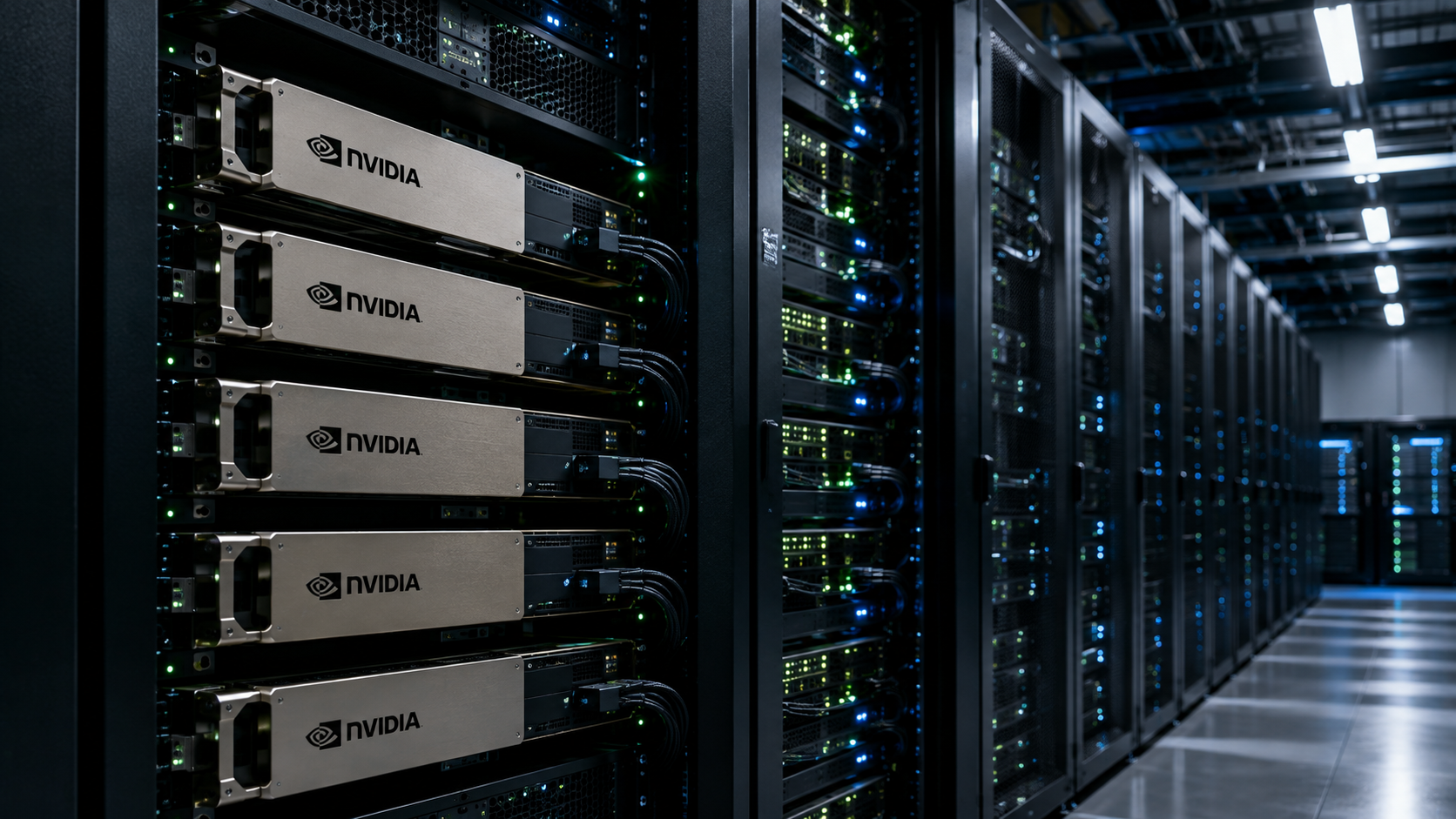
In addition, U.S. authorities are investigating whether Chinese AI firms have obtained restricted American semiconductor chips in violation of export controls.
AI Safety Cooperation Faces Uncertain Future
The dispute comes as both countries had been expected to continue discussions on AI safety and governance.
Analysts warn that potential U.S. sanctions and possible Chinese retaliation could undermine future cooperation, including planned bilateral AI dialogue, at a time when experts say collaboration is becoming increasingly important.
Researchers argue that as AI models become more powerful and autonomous, international coordination will be critical to reducing risks such as cyberattacks, misuse of advanced AI systems, and unintended security incidents.
Experts Warn About Frontier and Open-Weight AI Models
AI researchers are paying increasing attention to open-weight AI models, which can be freely downloaded, modified, and redistributed.
Unlike closed commercial AI systems, open-weight models are more difficult to control after release, raising concerns about security safeguards and potential misuse.
Experts have called for stronger pre-release testing, independent safety evaluations, and internationally recognized standards before the most advanced AI models become widely available.
Competition and Security Now Go Hand in Hand
The rapid AI race has placed national security and technological leadership at the center of U.S.-China relations.
While companies continue investing heavily in next-generation AI systems, policymakers face the challenge of balancing innovation, economic competition, and global AI safety.
Industry observers say maintaining dialogue between the two countries may prove essential as artificial intelligence continues advancing at an unprecedented pace.