U.S. Appeals Court Sides With Perplexity in Landmark AI Shopping Agent Case Against Amazon
A U.S. federal appeals court has overturned a lower court order that temporarily blocked Perplexity from using its AI-powered shopping agent on Amazon's platform, marking the first appellate ruling on whether AI agents can legally access online services on behalf of users.
Summary: The Ninth Circuit ruled that Amazon was unlikely to prove Perplexity violated federal computer fraud laws, a decision that could shape how AI assistants browse websites, shop online, and complete transactions in the future.
Quick Facts
-
Ninth Circuit overturned a preliminary injunction against Perplexity.
-
Amazon sued Perplexity in November 2025.
-
The dispute involves Perplexity's Comet browser and AI shopping agent.
-
The ruling centers on the Computer Fraud and Abuse Act (CFAA).
-
It is the first federal appeals court decision on this issue involving agentic AI.

Why Did the Court Rule in Perplexity's Favor?
The U.S. Court of Appeals for the Ninth Circuit reversed a federal judge's March 2026 order that had temporarily prevented Perplexity's AI shopping agent from operating on Amazon's platform.
The appeals court found that Amazon was unlikely to succeed in its claim that Perplexity violated the Computer Fraud and Abuse Act (CFAA). According to the court, it was Amazon customers using Perplexity's AI tools who accessed their accounts—not Perplexity itself.
The ruling removes the preliminary injunction while the broader legal dispute continues.
What Is the Lawsuit About?
Amazon filed the lawsuit in November 2025, alleging that Perplexity's Comet browser and AI shopping assistant accessed customer accounts without authorization. The company argued the AI tools created security risks and continued operating despite repeated requests to stop.
Perplexity rejected those claims, arguing that the lawsuit was an attempt to prevent Amazon customers from using competing AI assistants to browse and shop online.
What Does This Mean for AI Shopping Assistants?
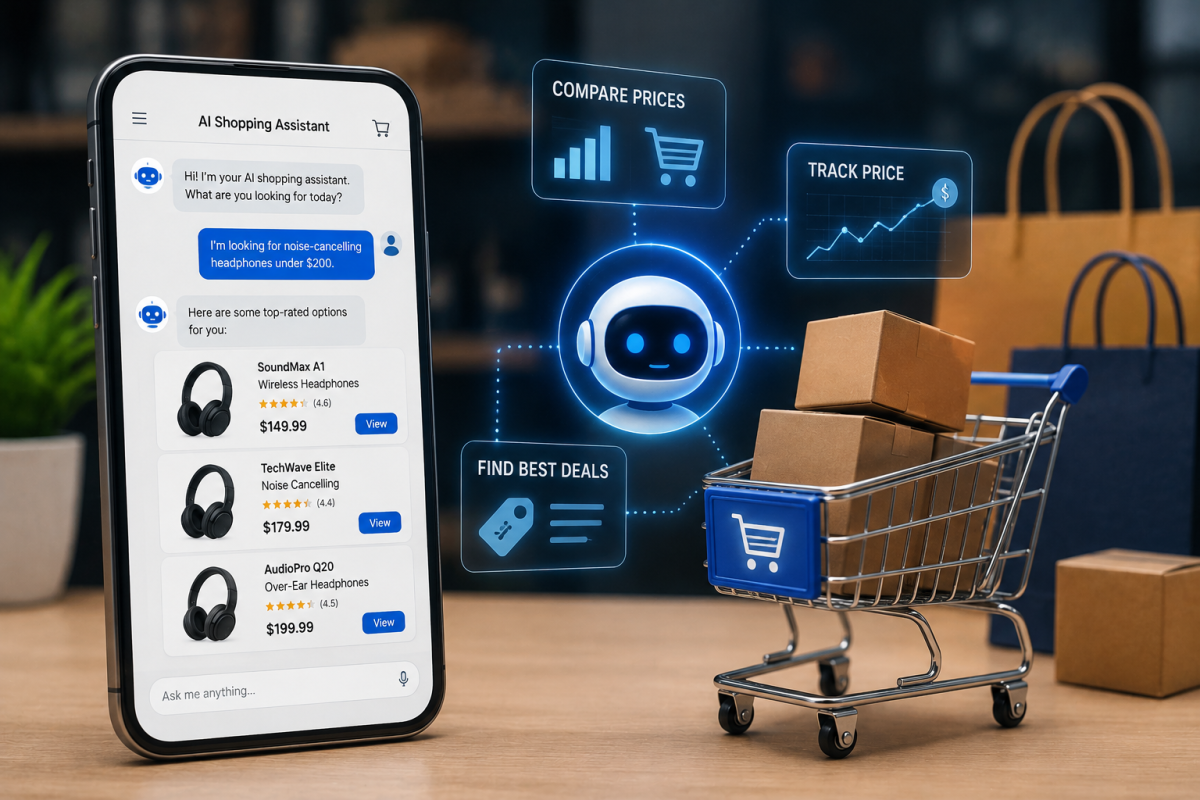
Direct Answer: The ruling suggests that AI agents acting with a user's authorization may not automatically violate U.S. computer access laws. While the case is not over, the decision could make it easier for AI assistants to browse websites, compare products, and complete purchases on behalf of users.
Legal experts say the case could become an important reference point as more companies introduce AI systems capable of handling everyday online tasks.
How Did the Companies Respond?
Amazon said it disagrees with the appellate ruling, remains confident in its legal arguments, and is evaluating its next legal steps.
Perplexity welcomed the decision, saying it would continue defending users' right to choose their preferred AI assistants when shopping or navigating online services.
Why It Matters
The ruling is one of the first major legal decisions addressing the rights of agentic AI systems—AI tools that perform tasks on behalf of users. As companies develop AI assistants capable of shopping, booking services, and managing online accounts, the outcome of this case could influence future disputes over digital access, competition, and user control across the internet.