Trump's AI Data Center Power Plan Faces Skepticism Over Consumer Electricity Costs
President Donald Trump has unveiled a voluntary agreement with major U.S. technology companies, data center developers, and power producers aimed at expanding the nation's energy infrastructure to support the rapidly growing demand for artificial intelligence (AI) while seeking to protect consumers from higher electricity bills.
The non-binding pledge is intended to accelerate AI infrastructure development as the United States competes with China in the global AI race. However, consumer advocates and energy experts have questioned whether the initiative will be enough to prevent rising power costs.
Trump Seeks to Expand AI Energy Infrastructure
Speaking at an Environmental Protection Agency event, Trump said leading technology companies had agreed to finance or build the energy infrastructure needed to support their expanding AI data centers.
According to the president, companies would fund the additional electricity generation required for their operations and, where permitted, build their own power plants to reduce pressure on the public power grid.
The administration argues the initiative will help modernize the nation's energy system while supporting economic growth driven by artificial intelligence.
Rising Electricity Demand Sparks Concerns
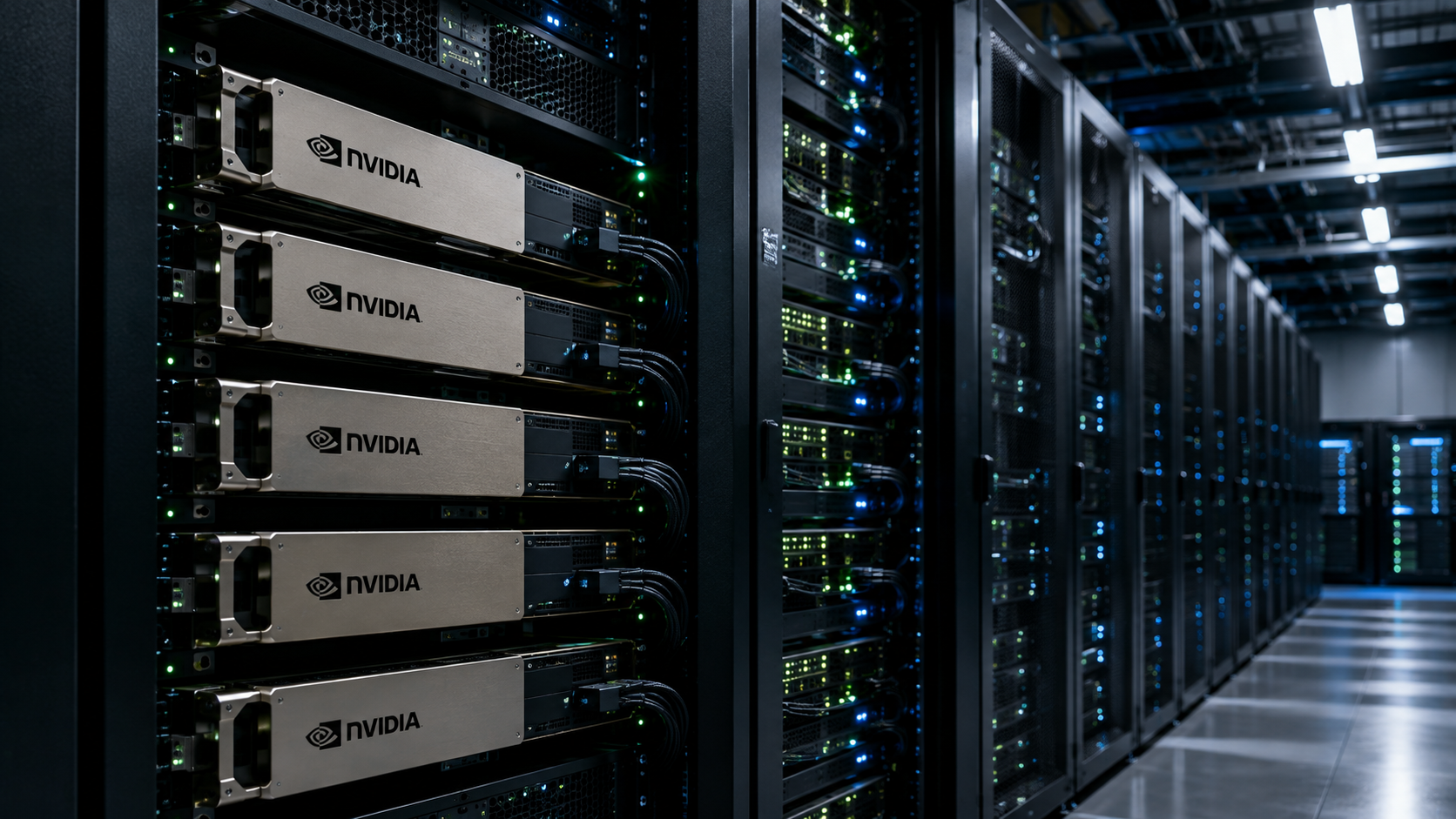
The rapid expansion of AI data centers has significantly increased electricity demand across the United States, placing additional strain on aging transmission networks and power generation capacity.
The U.S. Energy Information Administration projects residential electricity prices will continue rising over the next two years, adding to concerns among households already facing higher utility bills.
In several states, proposed data center projects have drawn opposition from local communities worried about increased electricity costs, environmental impacts, and infrastructure pressures.
Critics Question Voluntary Agreement
Consumer advocacy organizations criticized the announcement, arguing that the pledge lacks legally enforceable commitments to prevent electricity costs from being passed on to consumers.
Critics also questioned whether continued reliance on traditional power generation could increase long-term energy costs and environmental impacts as AI infrastructure expands.
Industry representatives defended the growing data center sector, saying it supports essential digital services, including healthcare, education, financial systems, cloud computing, and communications.
AI Growth Challenges the U.S. Power Grid
The debate highlights the growing challenge of balancing America's AI ambitions with the need for reliable and affordable electricity.
Grid operators, including PJM Interconnection, have warned that increasing electricity demand from AI data centers is adding pressure to transmission networks already facing aging infrastructure, power plant retirements, and construction delays.
Analysts say continued investment in grid modernization and new power generation will be critical as artificial intelligence drives a new wave of electricity demand across the United States.