Tropical Storm Bertha Strengthens as Florida Panhandle and Alabama Brace for Heavy Rain
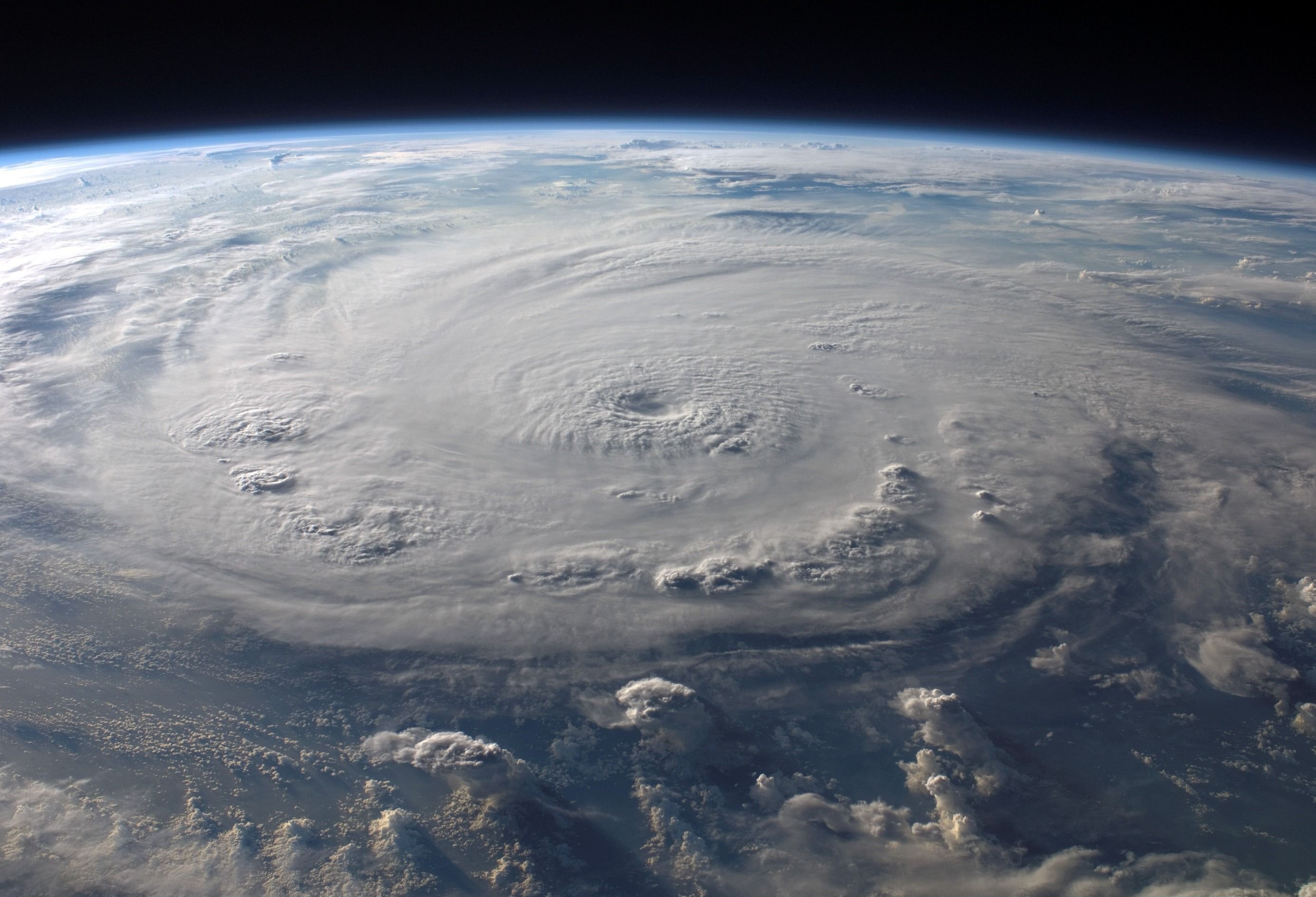
Tropical Storm Bertha strengthened in the Gulf of Mexico on Tuesday as it moved slowly toward the Florida Panhandle and Alabama, prompting tropical storm warnings, storm surge watches, and preparations along the northern Gulf Coast.
According to the National Hurricane Center, Bertha was packing sustained winds of 50 mph (80 kph) and moving northwest at about 5 mph (8 kph). Forecasters expect the storm to track near or along the Gulf Coast over the coming days.
Warnings Issued Along the Gulf Coast
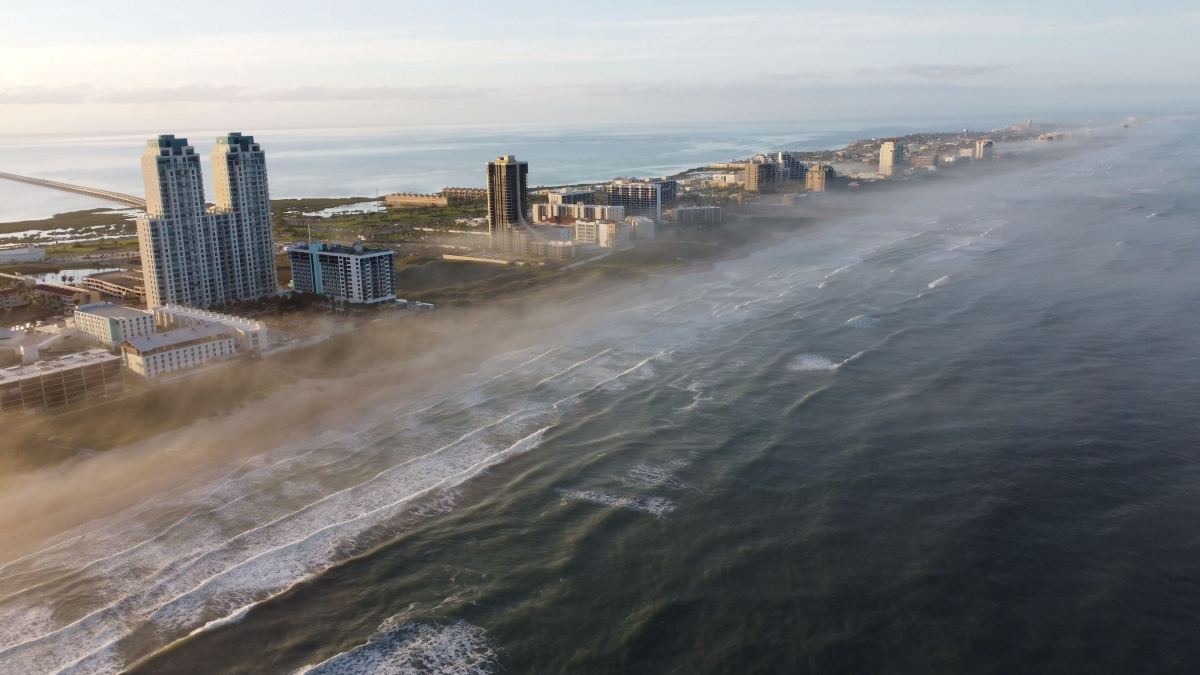
A tropical storm warning is in effect from the Florida-Alabama border westward into parts of southeastern Louisiana, while storm surge watches cover portions of the coasts of Florida, Alabama, Mississippi, and Louisiana.
Residents in vulnerable coastal communities have been urged to monitor official forecasts and prepare for changing weather conditions.
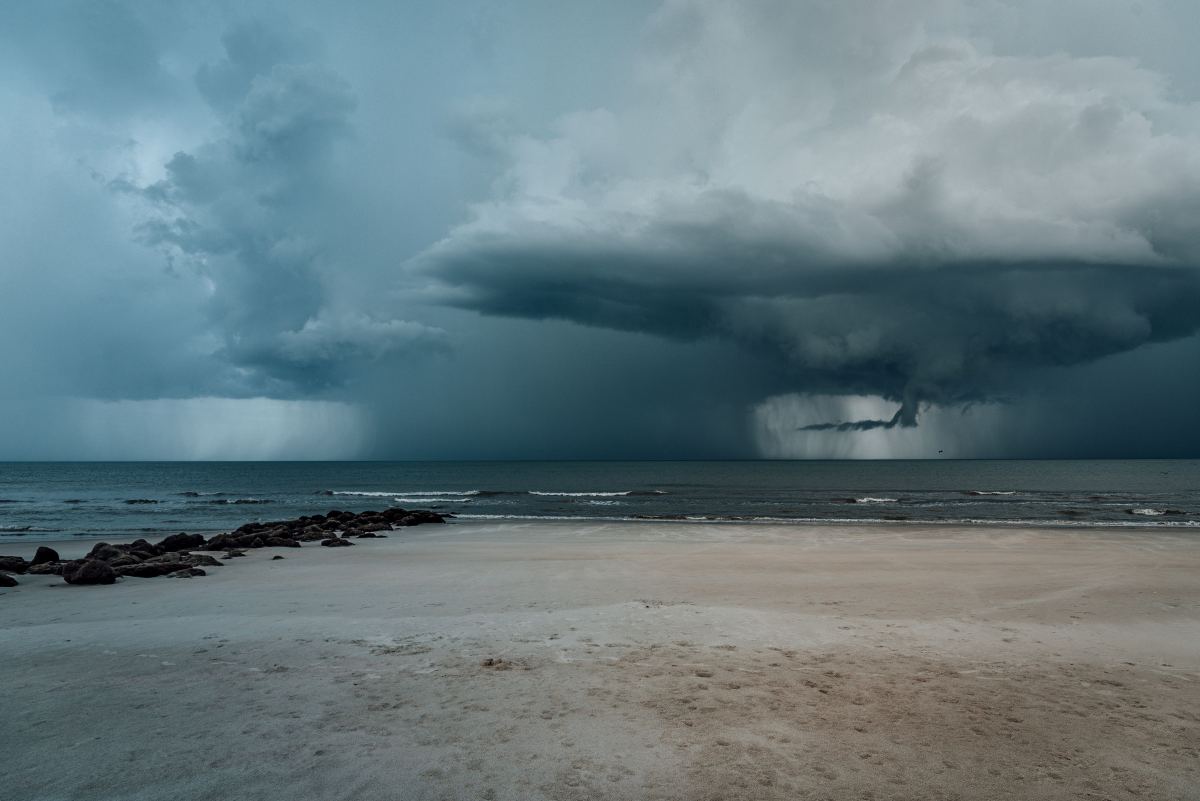
Heavy Rain and Storm Surge Threat
Bertha is expected to bring periods of heavy rainfall across the northern Gulf Coast, increasing the risk of flash flooding from western Florida through Louisiana and parts of Texas later this week.
Forecasters also warned of storm surges of up to 4 feet (1.2 meters) in some coastal areas, along with dangerous surf, rip currents, and the possibility of isolated tornadoes, particularly across Florida's Big Bend region.

Rainfall totals of 3 to 5 inches are expected in many locations, with isolated areas receiving higher amounts.
Communities Begin Preparations
Local officials have already begun preparing for potential flooding. Emergency management agencies in parts of Florida have distributed sand for residents needing sandbags, while beaches along Alabama's Gulf Coast raised red warning flags because of hazardous surf and strong currents.
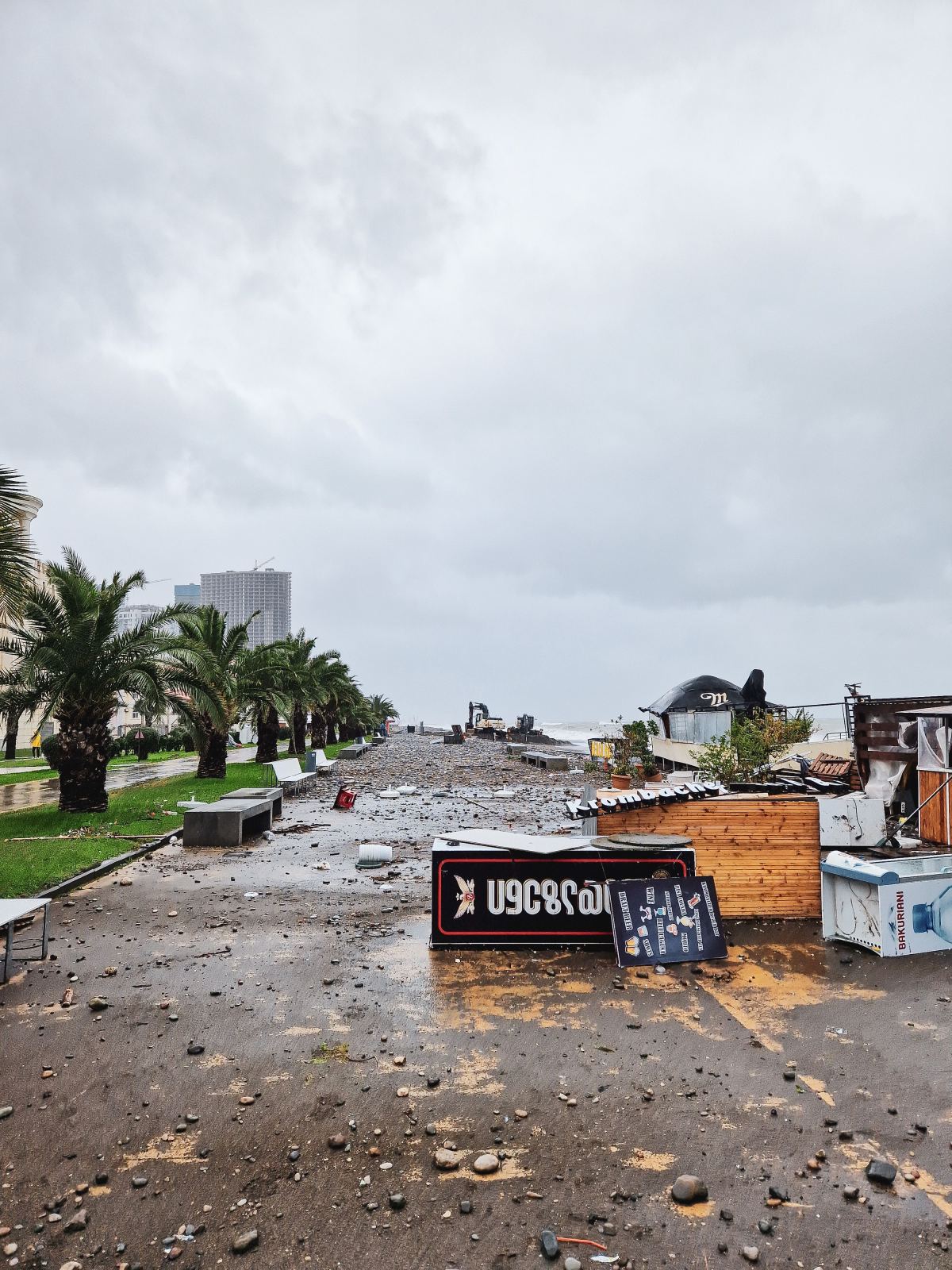
Authorities are encouraging residents to avoid unnecessary travel in flood-prone areas and stay informed as forecasts are updated.
Hurricane Fausto Remains Far Offshore
Meanwhile, Hurricane Fausto strengthened over the eastern Pacific Ocean but remains well offshore and poses no direct threat to land.
Although no coastal warnings have been issued, forecasters said ocean swells generated by the hurricane could create dangerous surf and rip current conditions along parts of Mexico's Baja California coastline.
Meteorologists continue to monitor both systems as the Atlantic and Pacific hurricane seasons remain active.