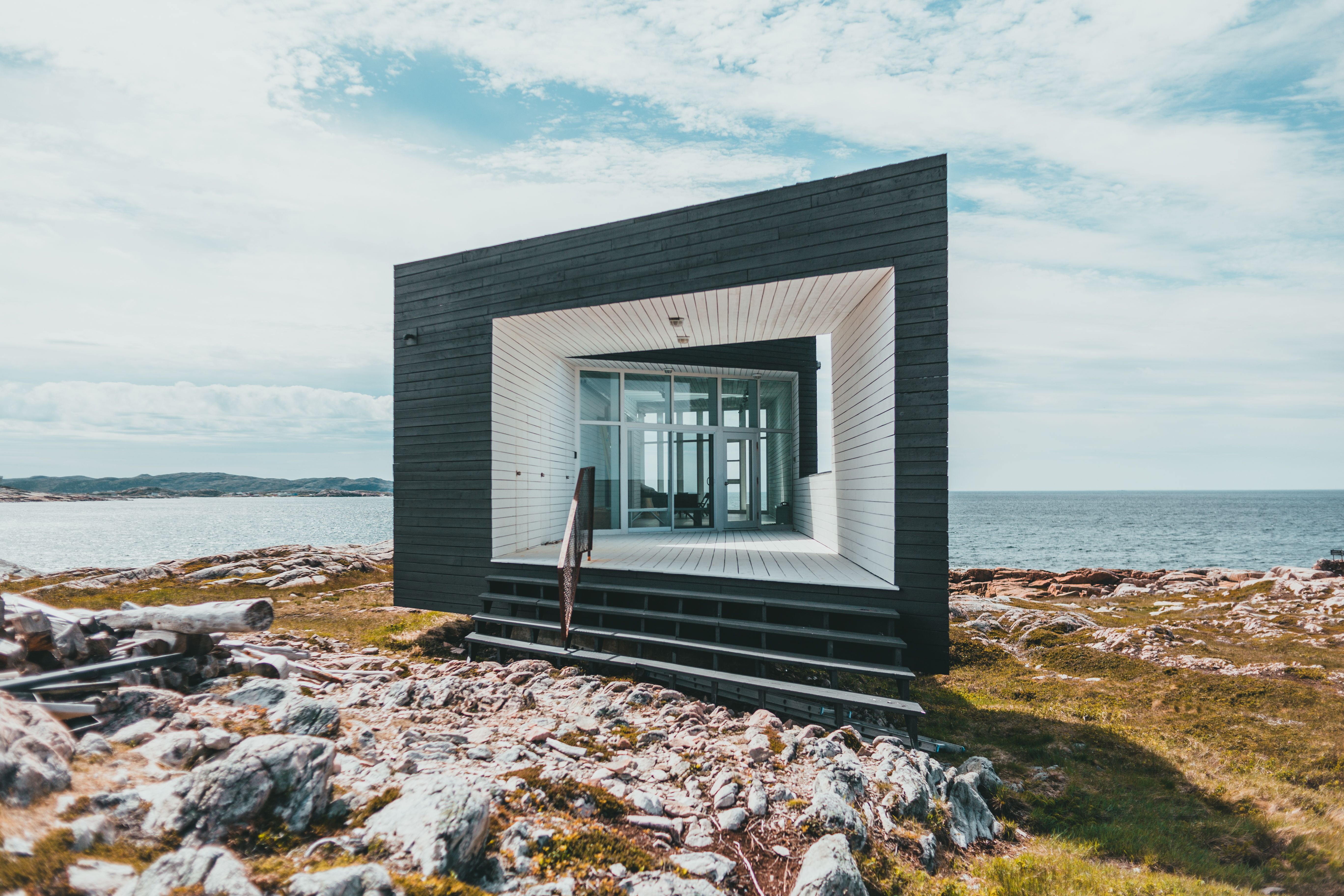
Nordic Summer Cabins Showcase How Sustainable Design and Simplicity Can Shape the Future of Living
Across Scandinavia, summer cabins have long represented a way to reconnect with nature. Today, these traditional retreats are evolving into models of sustainable architecture that combine modern comfort with environmentally responsible design, offering lessons for homeowners and architects around the world.
The Nordic region is home to an estimated 1.8 million summer cabins and holiday homes, making seasonal retreats a deeply rooted cultural tradition. While early cabins emphasized simplicity and self-sufficiency, contemporary designs increasingly integrate energy-efficient construction, recycled materials, and landscape preservation without losing their close connection to nature.
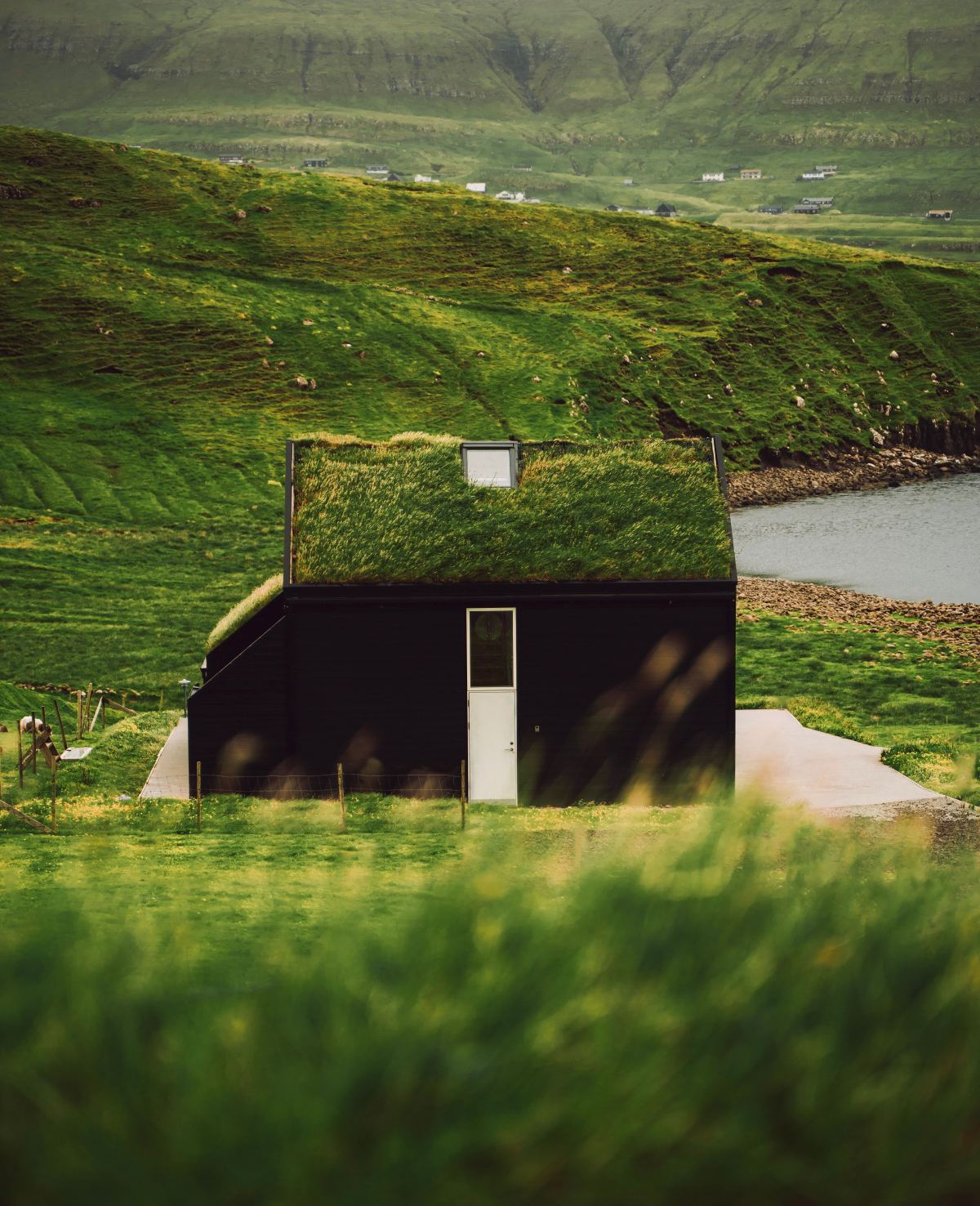
Architects say these homes demonstrate that sustainability is not just about reducing energy use—it is also about designing buildings that respect the environment they occupy.
Quick Facts
- The Nordic region has an estimated 1.8 million summer cabins and holiday homes.
- Traditional cabins were built around minimalism, simplicity, and close contact with nature.
- Modern projects increasingly feature recycled materials, timber construction, and passive energy design.
- Many cabins are designed to blend naturally into forests, mountains, lakes, and coastal landscapes.
- The Scandinavian concept of friluftsliv continues to influence cabin architecture today.
What Makes Nordic Cabin Design Different?
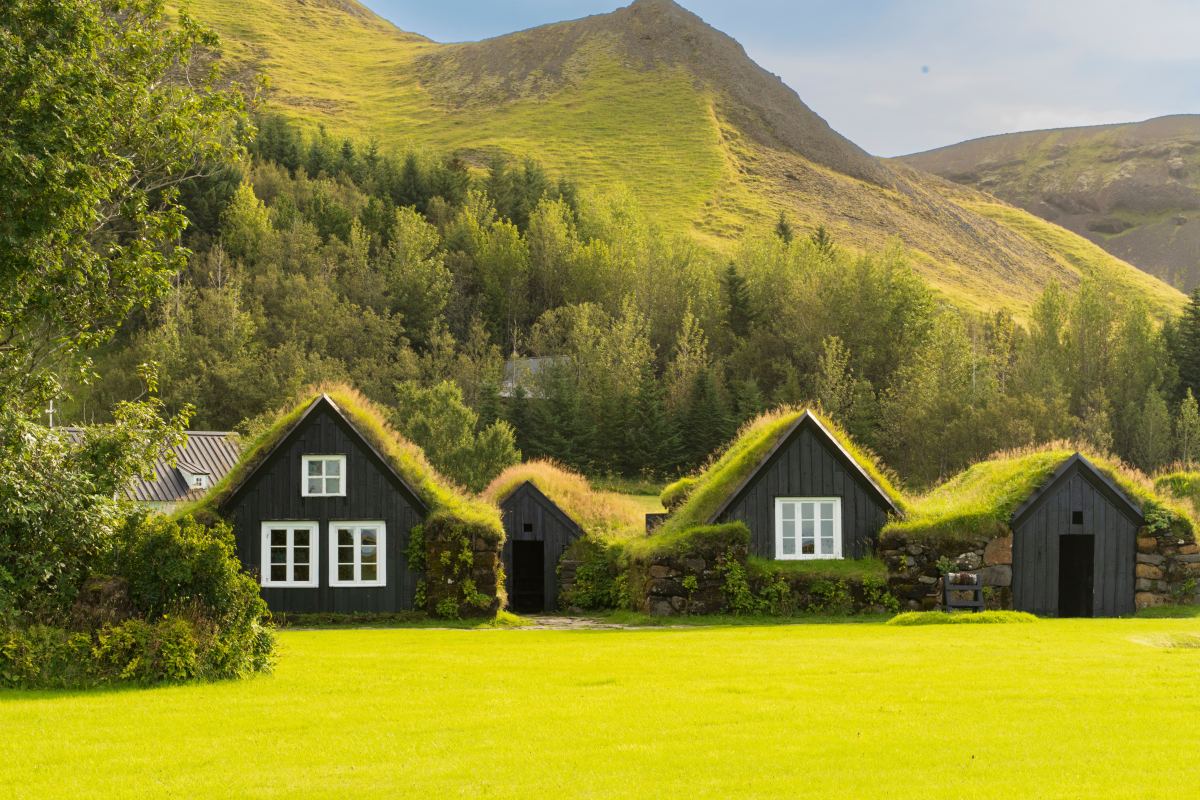
Nordic summer cabins are built around the philosophy that architecture should complement nature rather than dominate it.
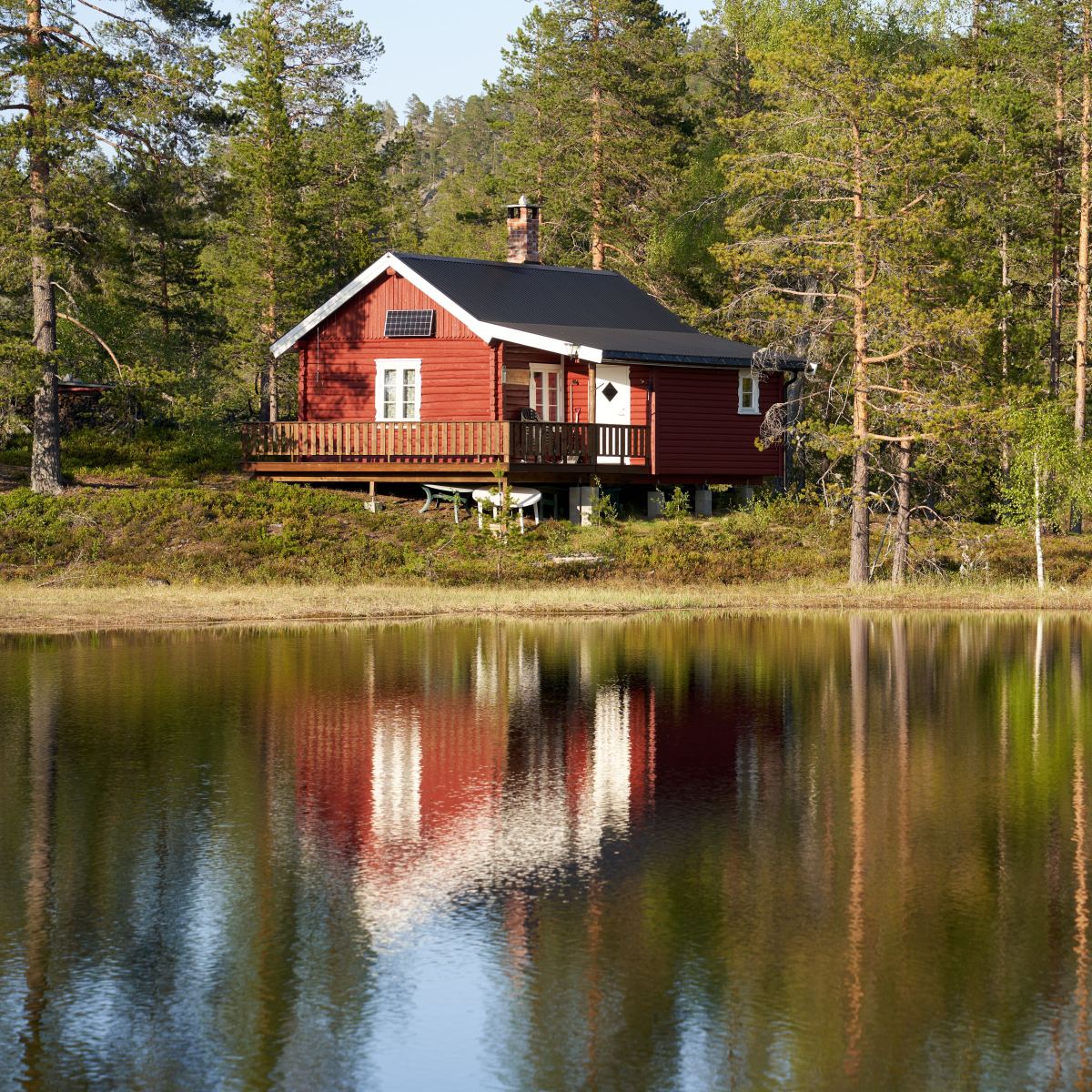
Instead of constructing large homes that reshape landscapes, many architects prioritize compact buildings that preserve existing trees, vegetation, and natural terrain.
Timber remains the dominant building material because it is renewable, visually compatible with surrounding forests, and capable of aging naturally over time.
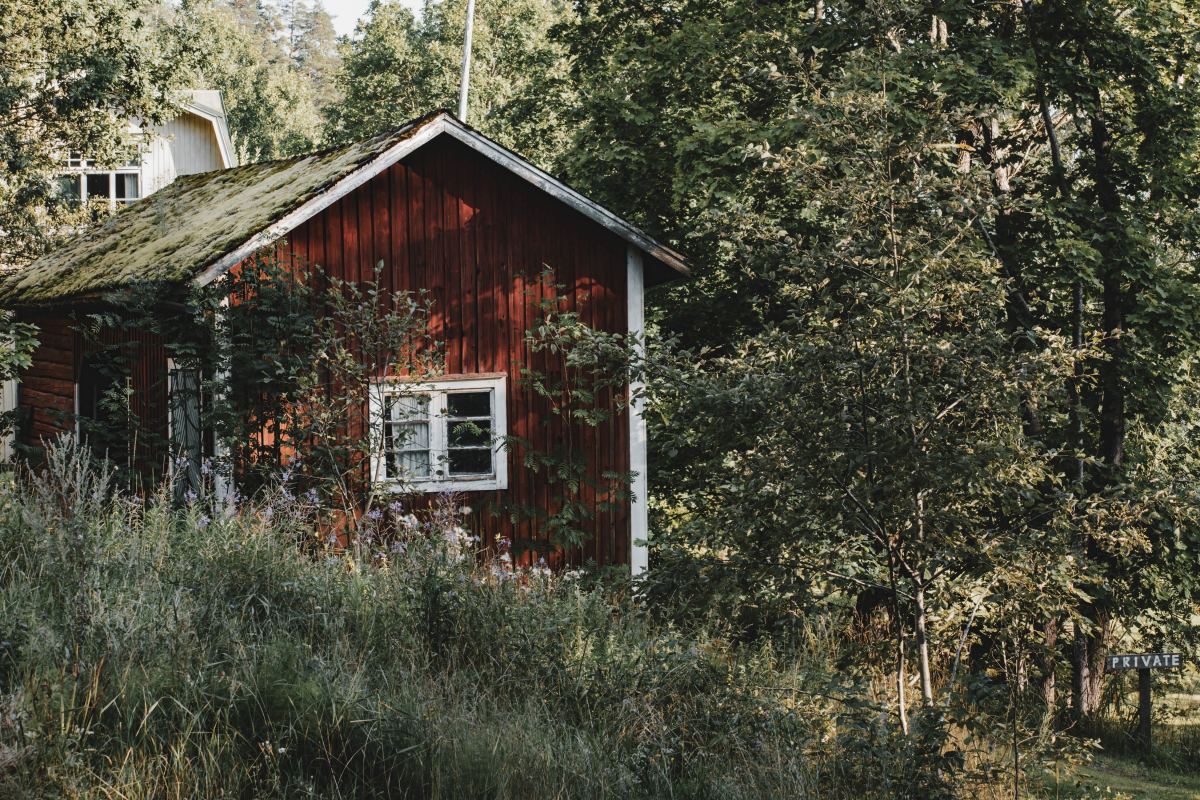
Large windows, outdoor terraces, and open layouts also create a seamless transition between indoor and outdoor living, allowing residents to enjoy changing seasons and natural scenery throughout the year.
This design philosophy reflects the Scandinavian belief that quality of life is closely connected to time spent outdoors.
What Is Friluftsliv and Why Does It Influence Architecture?
Direct Answer
Friluftsliv is a Nordic philosophy that encourages spending time outdoors and maintaining a close relationship with nature. The concept influences cabin architecture by promoting simple living, natural materials, and homes designed to encourage outdoor activities rather than indoor consumption.
Rather than focusing on luxury, friluftsliv values experiences such as hiking, fishing, kayaking, skiing, and quiet reflection in natural surroundings.
As a result, many Nordic cabins are intentionally modest in size while maximizing views, natural light, and access to nearby forests, lakes, or coastlines.
This philosophy has become increasingly attractive as more people seek healthier lifestyles and opportunities to disconnect from constant digital connectivity.
Sustainability Is Now Central to Cabin Architecture
Modern Nordic cabin projects increasingly prioritize environmental responsibility from the earliest stages of design.
Common sustainable features include:
- Reclaimed and recycled building materials.
- Prefabricated timber construction.
- Energy-efficient layouts.
- Minimal disturbance to existing terrain.
- Locally sourced wood and natural finishes.
- Passive heating and cooling strategies.
- Exterior materials designed to weather naturally over time.
Many architects now focus on preserving landscapes instead of modifying them, ensuring cabins integrate with their surroundings rather than becoming visually dominant.
This approach reduces environmental impact while helping maintain biodiversity and natural ecosystems.
Iconic Projects Reflect Different Approaches to Sustainable Design
Several well-known Nordic cabin projects illustrate how traditional principles continue to influence contemporary architecture.
The 1960 cabin by Wenche and Jens Selmer in Norway represents minimalist design at its purest, originally operating without electricity or running water.
Sweden's Qvarsebo Summerhouse incorporates reclaimed materials such as second-hand windows and recycled birch plywood, demonstrating how recycled components can support modern architectural quality.
Norway's House on an Island uses prefabricated timber construction while allowing exterior materials to gradually blend into the surrounding landscape as they age.
Denmark's Vejrhøj, a restored 1967 modernist summerhouse, preserves its original architectural identity while meeting current building standards.
Other notable projects include Sweden's Torö, which adapts an older prefabricated home for multi-generational living, and Finland's Cabin K, combining traditional pine log construction with contemporary lakeside design overlooking Lake Saimaa.
Meanwhile, Norway's Manhausen Sea Cabins provide compact accommodation that maximizes views of the Arctic landscape while supporting outdoor recreation.
Why Digital Detox Retreats Are Becoming More Popular
The growing popularity of Nordic cabins also reflects a broader shift in travel and lifestyle preferences.
Many visitors now seek destinations where they can temporarily disconnect from smartphones, social media, and constant digital communication.
Unlike conventional holiday accommodations, many Nordic cabins encourage slower living through hiking, boating, reading, wildlife observation, and spending time outdoors.
Architects increasingly design cabins with fewer technological distractions while enhancing natural light, quiet surroundings, and access to outdoor spaces.
This combination has helped Nordic cabin culture become closely associated with wellness tourism and digital detox experiences.
Lessons for Sustainable Housing Around the World
Architects outside Scandinavia are increasingly drawing inspiration from Nordic cabin design.
Key lessons include:
- Building smaller but more functional homes.
- Using renewable local materials.
- Preserving existing landscapes.
- Reducing long-term energy consumption.
- Designing spaces that improve well-being rather than maximizing floor area.
As cities face growing environmental challenges and housing costs continue to rise, these principles are influencing residential developments far beyond Northern Europe.
Thoughtful design, rather than larger buildings, is increasingly viewed as the key to creating comfortable, sustainable homes.
Why It Matters
Nordic summer cabins demonstrate that sustainable architecture is about more than energy-efficient buildings. By combining minimalist design, locally sourced materials, and a deep respect for nature, these homes offer a practical model for reducing environmental impact while improving quality of life.
As governments, architects, and homeowners search for climate-friendly housing solutions, Scandinavian design principles continue to inspire projects around the world. The enduring popularity of these cabins also reflects a broader desire to reconnect with nature, simplify daily life, and create homes that balance comfort with environmental responsibility.