Tesla Adopts More Measured Robotaxi Expansion Strategy as Rollout Progresses
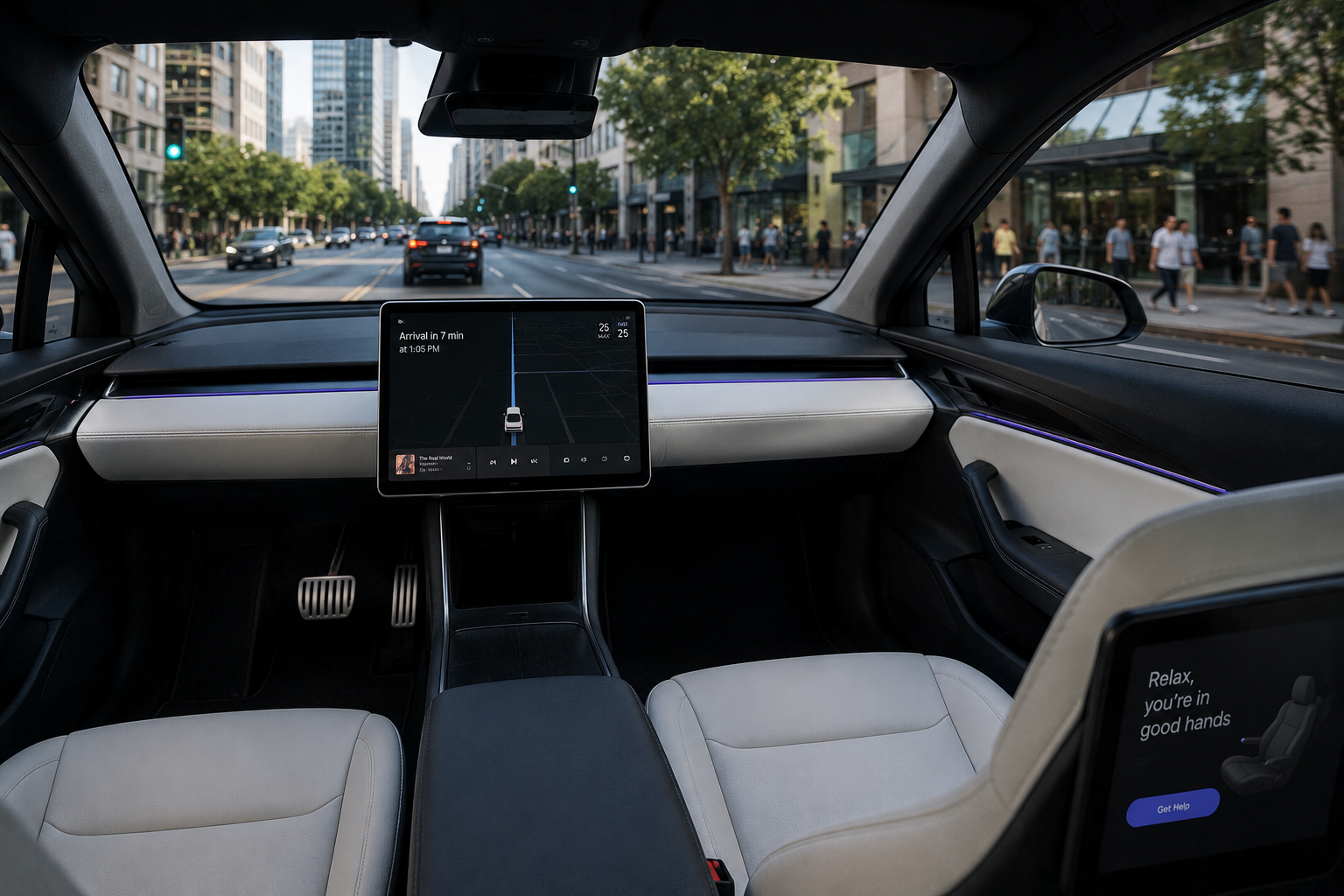
Tesla executives have acknowledged that the company's robotaxi rollout is advancing more cautiously than earlier projections, citing regulatory hurdles, operational challenges, and a continued focus on safety. The shift in tone marks a contrast with previous expectations of rapid nationwide expansion and comes as investors closely watch autonomous driving as a key part of Tesla's long-term growth strategy.
Tesla Takes a More Cautious Approach to Robotaxi Expansion
During the company's latest earnings call, Tesla executives outlined a more deliberate strategy for expanding its autonomous ride-hailing service.
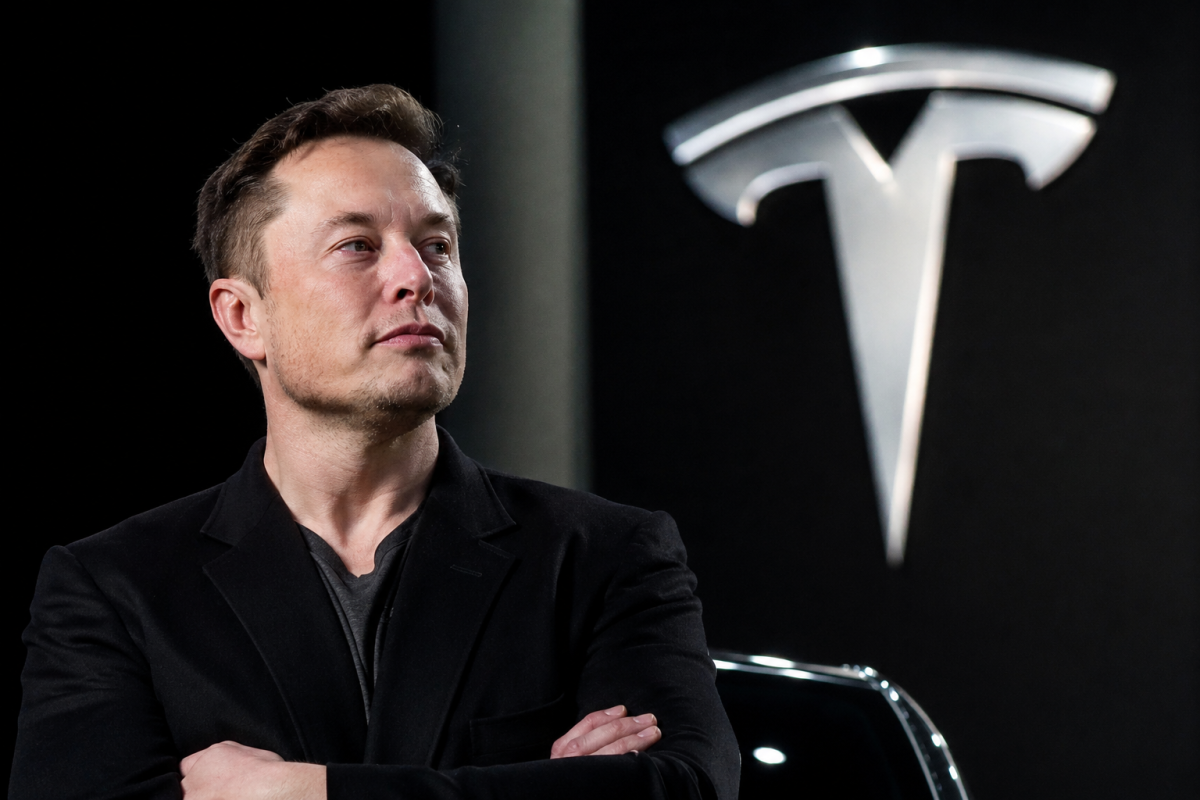
While CEO Elon Musk previously predicted that Tesla's robotaxi network would grow at a rapid pace, company leaders now say expansion is being managed city by city to address local regulations and operational requirements before deploying larger fleets.
Executives emphasized that ensuring safe and reliable service remains the company's top priority.
Rollout Progresses Across Select U.S. Cities
Since launching its pilot robotaxi service in Austin, Texas, Tesla has expanded operations into a limited number of additional markets, including parts of:
-
Dallas
-
Houston
-
Miami
-
Tampa
-
Orlando
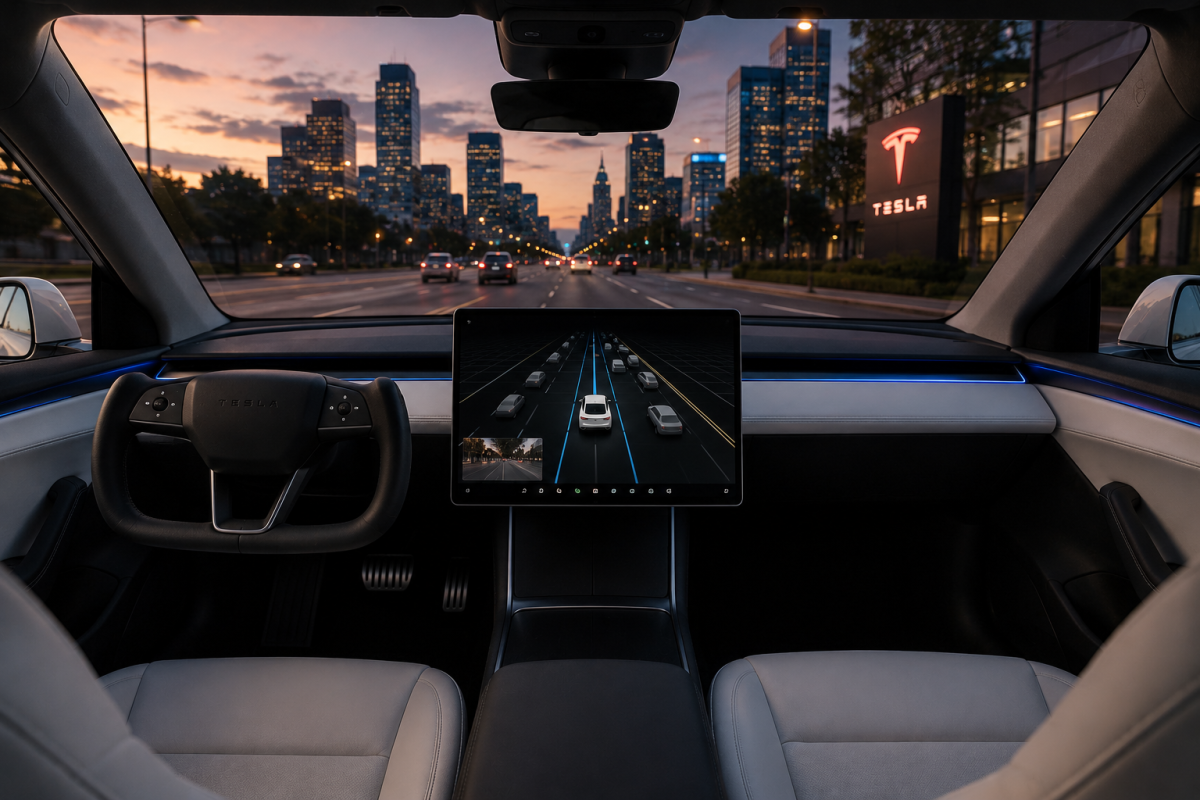
However, service remains confined to selected operating zones rather than entire metropolitan areas as Tesla continues testing and refining the platform.
Regulatory Requirements Shape Expansion
Tesla executives said one reason for the slower rollout is that autonomous vehicle regulations differ from city to city.
Rather than launching nationwide at once, the company is working through local approval processes individually while adapting operations to each market.
Executives also noted that operational issues—not just software development—must be resolved before expanding the fleet significantly.
Small Fleet Enables Controlled Testing
Responding to questions about why Tesla's robotaxi fleet remains relatively small, company leaders said they prefer operating a controlled number of vehicles while improving both technology and logistics.
According to Tesla's AI leadership, even a modest fleet can generate substantial real-world driving data that helps improve autonomous performance before wider deployment.
The company believes this approach supports safer long-term scaling.
Tesla Reports Growing Autonomous Driving Activity
Tesla said paying customers have collectively traveled approximately 2.5 million miles using its robotaxi service.
The company also reported that roughly 380,000 miles were completed without an in-vehicle safety monitor, representing continued progress toward fully autonomous commercial operations.
Executives described growth in autonomous driving mileage as continuing to accelerate as additional vehicles enter service.
Waymo Maintains Commercial Lead
Despite Tesla's expansion efforts, industry analysts note that Waymo, Alphabet's autonomous driving division, continues to operate at a much larger commercial scale.
Waymo has accumulated significantly more autonomous driving miles and has expanded across multiple cities through a gradual, market-by-market strategy.
The comparison has prompted renewed discussion about Tesla's pace of deployment and long-term competitive position.
Investors Continue Watching Robotaxi Strategy
Robotaxis remain one of Tesla's most important long-term growth initiatives.
Many investors view autonomous ride-hailing, alongside Tesla's humanoid robotics program, as a major future revenue opportunity.
Following the earnings announcement, Tesla shares declined as investors reacted to the slower rollout timeline and broader questions about near-term growth expectations.
Outlook
Tesla says it intends to continue expanding its robotaxi network while maintaining a strong emphasis on safety and regulatory compliance.
As additional cities are added and fleet sizes gradually increase, investors will be watching whether the company can accelerate deployment while meeting operational and safety objectives.
FAQ
Why has Tesla slowed its robotaxi rollout?
Tesla says expansion is proceeding more cautiously because each city has different regulatory requirements, and the company is addressing operational and software challenges before scaling further.
Which cities currently have Tesla robotaxi service?
Tesla has expanded robotaxi operations to parts of Austin, Dallas, Houston, Miami, Tampa, and Orlando, although service areas remain limited.
How many robotaxi miles has Tesla reported?
The company says customers have traveled approximately 2.5 million miles, including about 380,000 miles completed without an in-vehicle safety monitor.
Why are investors focused on robotaxis?
Many investors believe autonomous ride-hailing could become one of Tesla's largest long-term businesses and a significant future source of revenue.
How does Tesla compare with Waymo?
Tesla is still expanding its commercial service, while Waymo currently operates a more established autonomous ride-hailing network with substantially higher autonomous driving mileage.