
SpaceX Stock Climbs 6% as First Post-IPO Lockup Expiration Fails to Trigger Heavy Selling
SpaceX shares rose about 6% on Thursday, defying expectations of heavy insider selling after the company's first post-IPO lockup period expired. The event made 911.5 million additional Class A shares eligible for public trading, more than doubling the company's public float and marking one of the stock's busiest trading sessions since its Nasdaq debut.
Summary: Despite fears that the lockup expiration would trigger significant selling pressure, SpaceX shares gained as investor demand outweighed immediate insider sales.
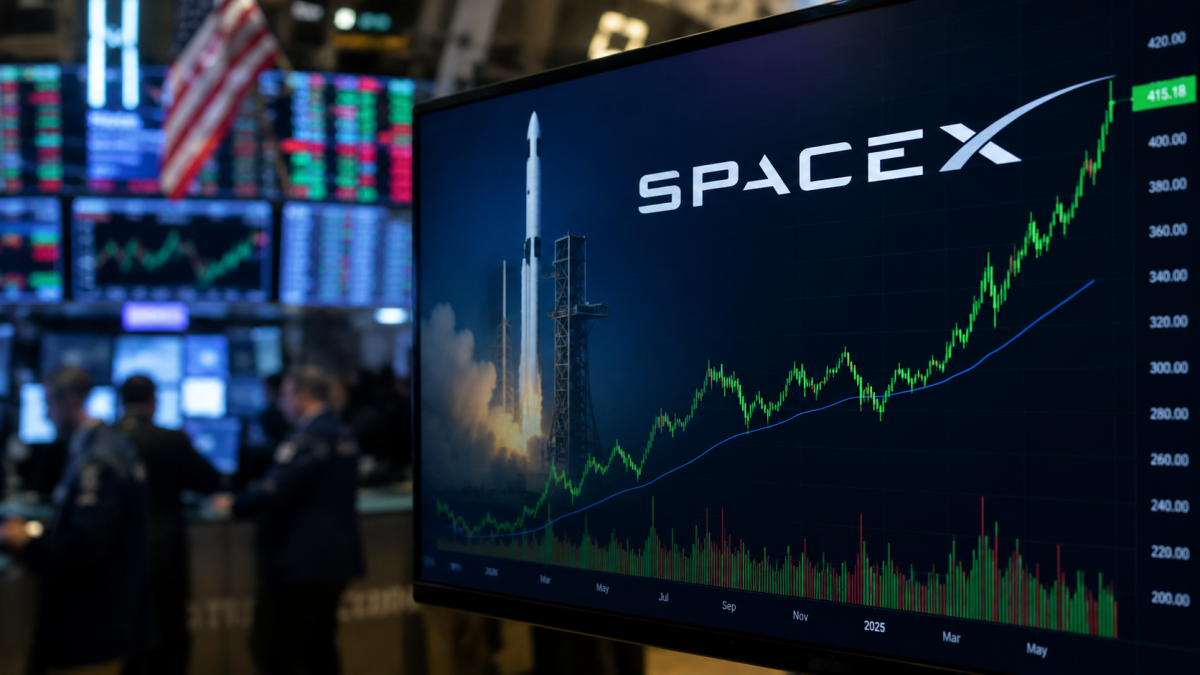
Why Did SpaceX Stock Rise?
Lockup expirations often pressure newly listed stocks because employees and early investors become eligible to sell shares for the first time.
In SpaceX's case, 911.5 million Class A shares became eligible for trading. However, eligibility does not mean shareholders must sell, and the market appeared to absorb the additional supply comfortably.

The stock advanced roughly 6%, while trading volume surpassed $23 billion, making it one of SpaceX's most active trading days since joining the Nasdaq 100.
The rebound also followed a nearly 14% drop on Wednesday, when investors reacted to the company's higher-than-expected AI infrastructure spending disclosed in its latest earnings report.
More Shares Are Still Coming
Thursday's lockup expiration is only the first of several scheduled releases.
By December 8, 2026, about 40% of SpaceX's total shares are expected to become publicly tradable. The remaining 60%, including Elon Musk's holdings, will stay locked until mid-2027.
That means additional lockup expirations could continue to influence trading activity and short-term price swings over the coming months.
Why Does the Public Float Matter?
A larger public float doesn't just increase the number of shares available for trading—it can also affect major stock indexes.
As more SpaceX shares become publicly tradable, analysts expect the company's weighting in the Nasdaq 100 Index to increase. Estimates suggest its index weight could rise from around 1% today to more than 3.5% after the September index rebalancing, depending on the share price.
Direct Answer: A larger public float can increase SpaceX's weight in the Nasdaq 100, potentially leading index-tracking funds to purchase more shares over time.
Investors Remain Focused on the Long Term
Although the stock remains below its $135 IPO price, recently trading around $109, many investors continue to view SpaceX as a long-term growth company.
Since going public on June 12, 2026, the stock has fallen more than 40% from its post-IPO high and remains roughly 15% below its IPO price.
Recent volatility has been driven by several factors, including heavy AI infrastructure spending, operating losses, concerns over insider selling, and broader uncertainty about future profitability.
Even so, analysts noted that retail investors have remained net buyers every trading day since the IPO, with buying activity strengthening after the recent pullback.
While more lockup expirations are scheduled later this year, Thursday's trading suggests investors remain confident in SpaceX's long-term prospects, including the growth of Starlink, its space launch business, and expanding AI infrastructure initiatives.