SpaceX and ispace Partner to Expand Affordable Lunar Cargo Services
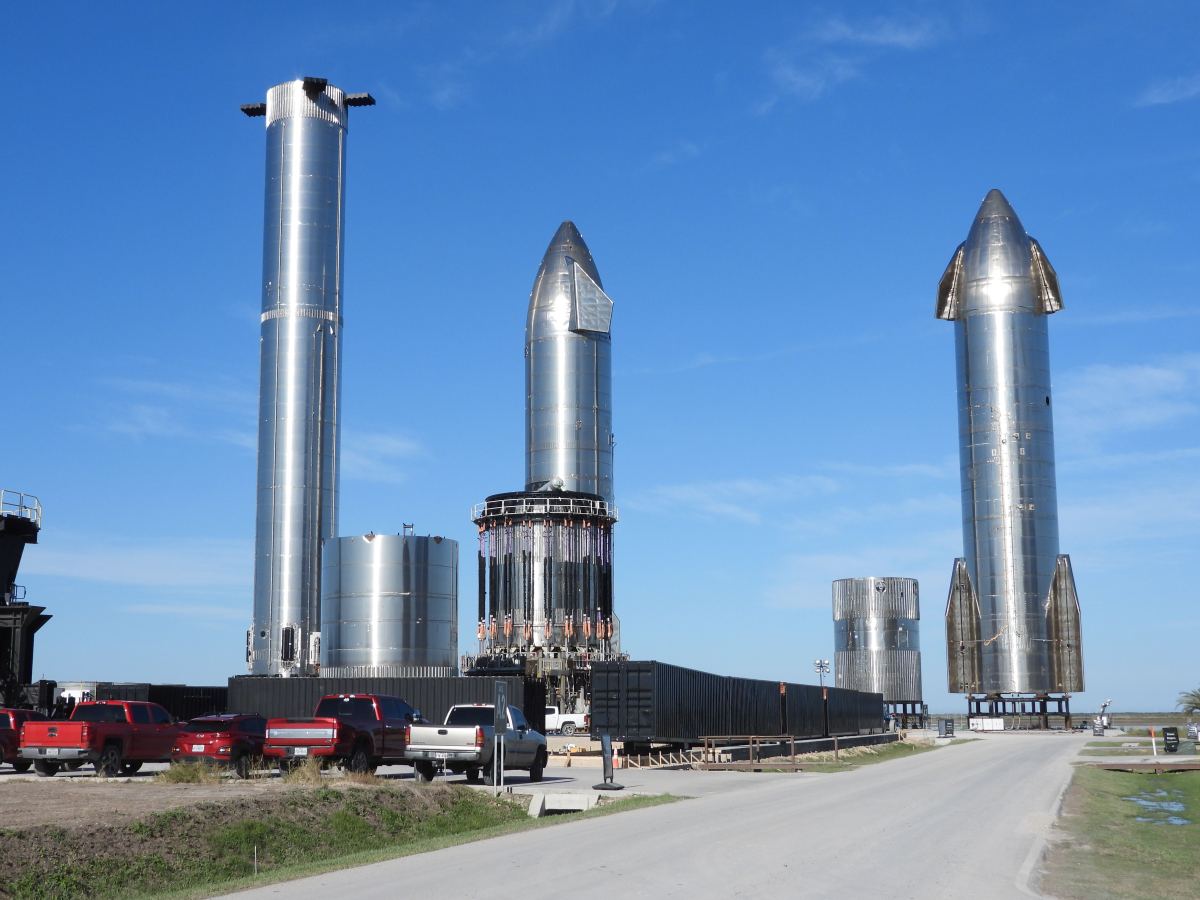
Japanese space exploration company ispace has announced a new partnership with SpaceX to introduce a more affordable method of transporting cargo to the Moon. The collaboration will use SpaceX's Starship launch system to support shared lunar missions, allowing multiple organizations to transport scientific instruments, technology demonstrations, and commercial payloads on a single flight.
The initiative is designed to reduce mission costs while making lunar exploration more accessible to research institutions, universities, startups, and commercial customers.
Shared Lunar Missions Aim to Lower Costs
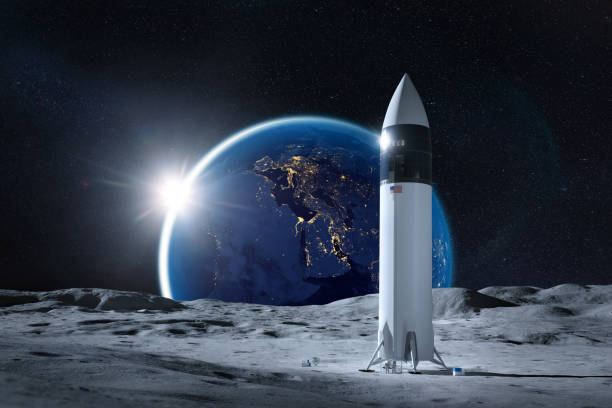
Under the agreement, ispace has secured approximately 500 kilograms of payload capacity aboard a future Starship lunar mission planned for 2030 or later.
Instead of requiring individual organizations to fund dedicated Moon missions, the company plans to introduce a shared payload model, allowing multiple customers to participate in a single launch. This approach is expected to significantly lower transportation costs while increasing opportunities for scientific research and technology testing.
New Lunar Transportation Services
Beyond its existing lunar lander program, ispace is expanding its services by introducing a lunar access integration platform.
The company plans to coordinate transportation for customers seeking reliable access to the Moon without the complexity of developing independent spacecraft. The service is intended to complement ispace's dedicated lunar landers by offering a flexible transportation option for smaller payloads.
Company officials believe the model will help accelerate commercial participation in future lunar missions.
Building on Previous Moon Missions
The partnership builds on several years of lunar mission development by ispace.
The company has previously launched lunar missions aboard SpaceX Falcon 9 rockets, gaining valuable experience despite earlier landing challenges.
Looking ahead, ispace plans to deploy three Ultra-class lunar landers before the end of the decade. One of these missions is expected to support NASA's Commercial Lunar Payload Services (CLPS) program, which focuses on delivering scientific instruments and technology demonstrations to the Moon.
SpaceX Expands the Commercial Lunar Economy
For SpaceX, the partnership represents another step toward establishing Starship as a key transportation system for future deep-space exploration.
Unlike the Falcon 9 launch vehicle, Starship is being developed for missions beyond Earth orbit, including lunar cargo delivery, long-duration exploration, and future crewed missions to Mars.
By collaborating with commercial partners such as ispace, SpaceX is expanding opportunities for organizations that want to participate in lunar exploration without building their own launch infrastructure.
Growing Demand for Lunar Infrastructure
Interest in commercial lunar services continues to increase as governments and private companies invest in the next generation of space exploration.
Programs such as NASA's Artemis initiative are expected to create growing demand for transportation services, scientific equipment, communication systems, and surface infrastructure on the Moon.
Industry experts believe more affordable transportation options could encourage universities, startups, and international research organizations to conduct lunar experiments and technology demonstrations.
Future Outlook
The partnership between SpaceX and ispace reflects the rapid evolution of the commercial space industry. As reusable launch systems become more capable and transportation costs continue to decline, access to the Moon is expected to become increasingly practical for a wider range of organizations.
If successful, the collaboration could support the development of a sustainable commercial lunar ecosystem, enabling scientific discovery, technology innovation, and long-term infrastructure projects that will shape the future of space exploration.