Samsung Predicts Global Chip Shortage Will Last Until 2028 as AI Demand Fuels Long-Term Supply Deals
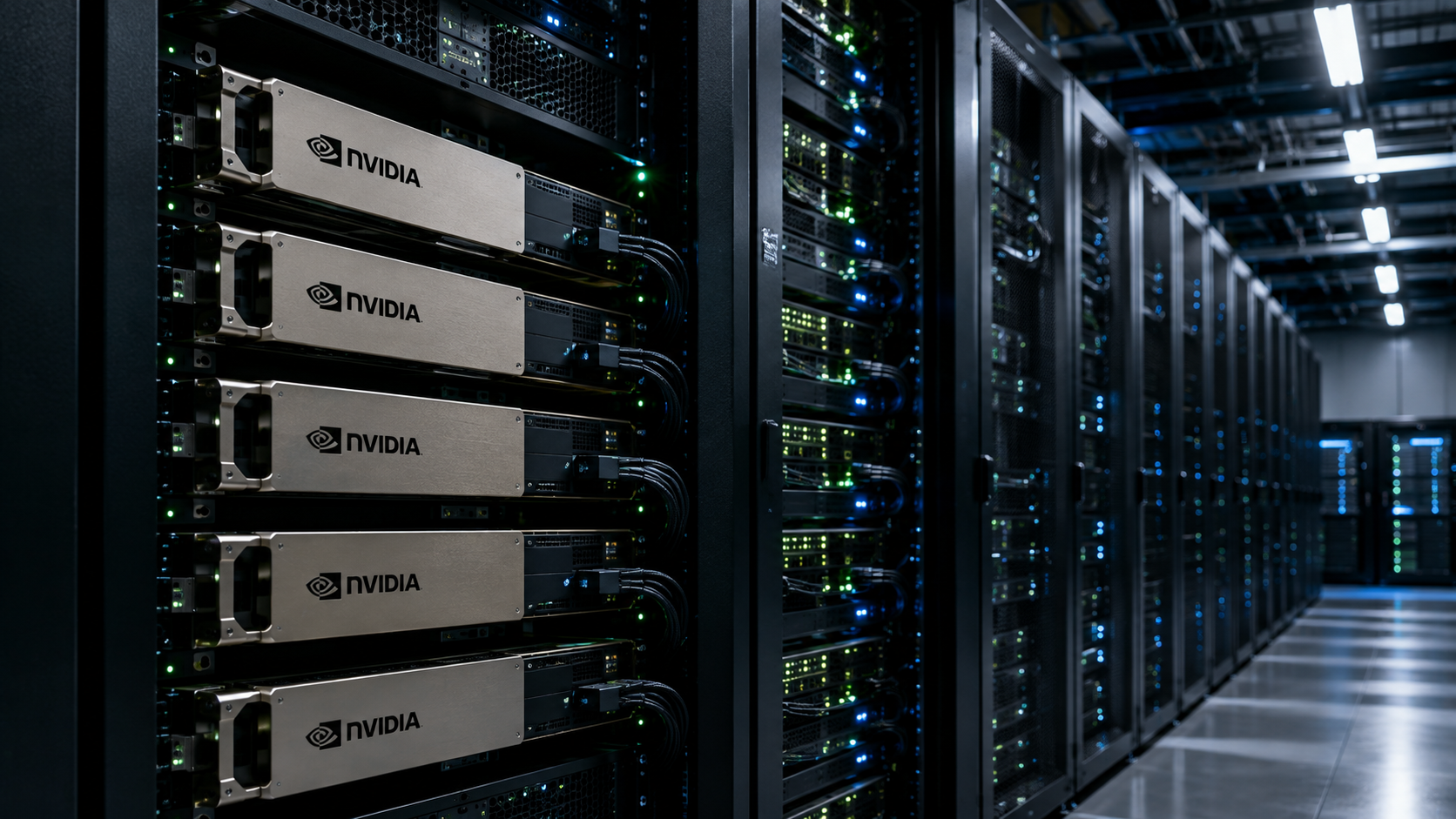
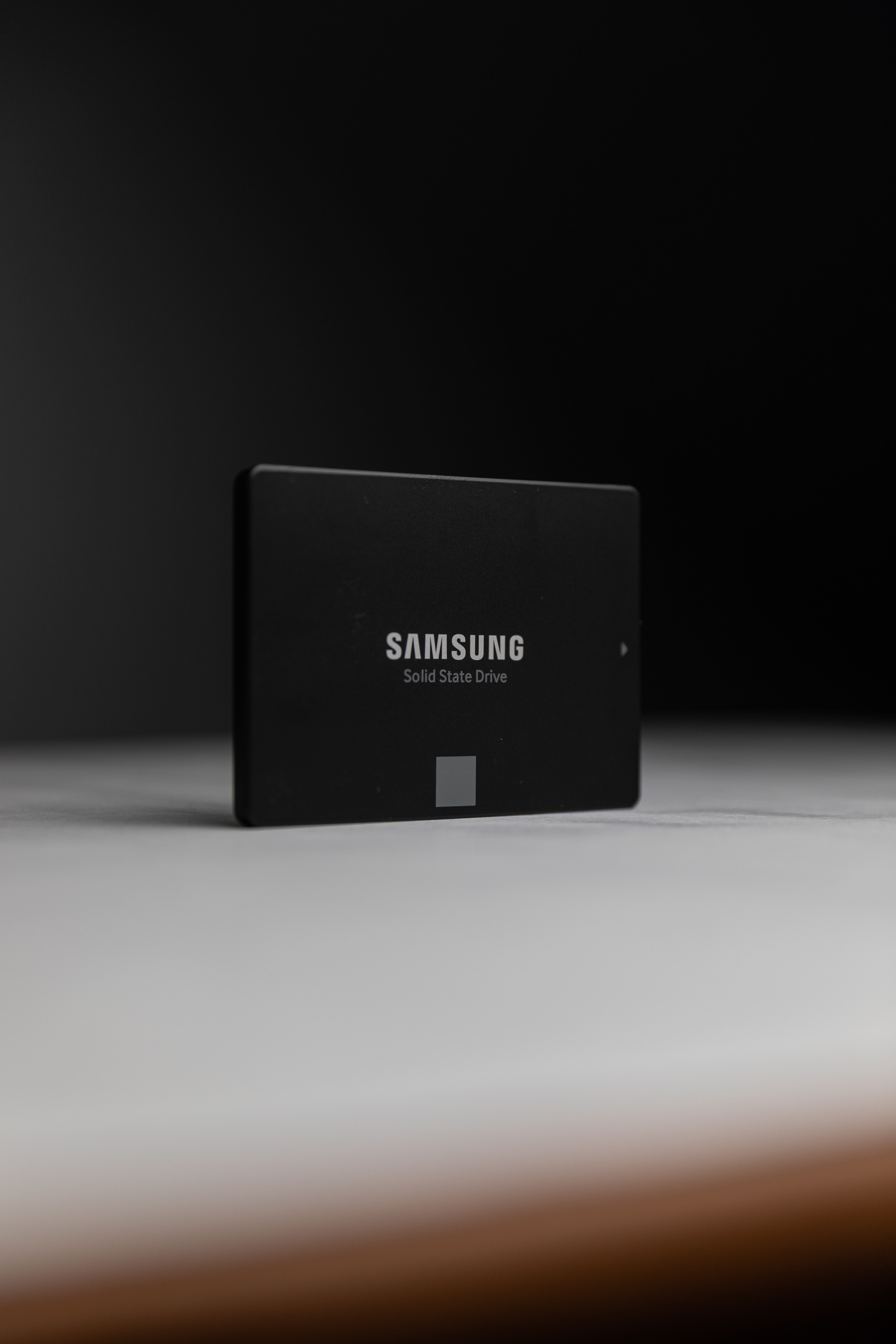
Samsung Electronics expects the global semiconductor shortage to continue through 2028, driven by surging demand for artificial intelligence (AI) infrastructure. The company announced long-term supply agreements with major data center operators while reporting record-breaking profits in its semiconductor business, reinforcing confidence that the AI chip boom remains far from over.
The optimistic outlook eased investor concerns that spending on AI infrastructure could slow, although higher memory chip prices continued to weigh on Samsung's smartphone business.

Samsung Warns AI Chip Supply Will Remain Tight
Samsung believes the supply of advanced memory chips will remain constrained for several more years.
Company executives said supply shortages are expected to worsen in 2027 before continuing into 2028, reflecting the rapid expansion of AI-powered data centers and cloud infrastructure worldwide.
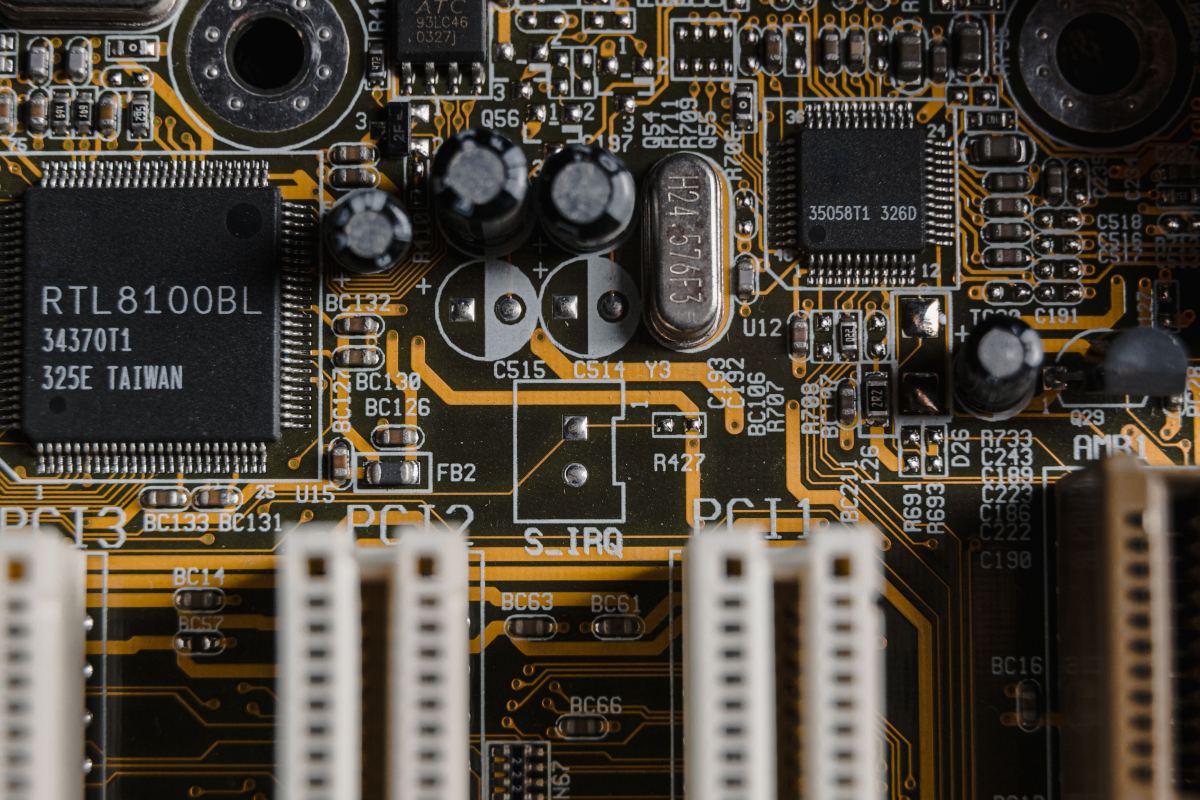
The forecast suggests demand for high-performance memory chips is still outpacing the industry's manufacturing capacity.
Long-Term Contracts Secure Future Production
To meet growing demand, Samsung has signed multi-year supply agreements with five of the world's largest data center companies and is reportedly close to finalizing similar deals with five additional customers.
According to the company, these agreements:
-
Extend for at least five years
-
Cover 60% to 70% of future production capacity
-
Include advance payments
-
Feature minimum pricing arrangements to reduce investment risk
These long-term contracts are designed to provide stable revenue while supporting Samsung's continued expansion in AI memory production.
Semiconductor Division Delivers Record Profit
Samsung's semiconductor business produced one of its strongest quarters ever.
The division reported an operating profit of 89.2 trillion won, representing an increase of more than 250 times compared with the same period last year.
Strong pricing for memory chips and growing demand from AI customers were the primary drivers behind the record earnings.
The results highlight how AI infrastructure investment continues to reshape the global semiconductor industry.
Rising Chip Prices Hurt Samsung's Smartphone Business
While the semiconductor division benefited from higher memory prices, Samsung's mobile business experienced the opposite effect.
The company's smartphone division reported a 700 billion won operating loss, marking its first quarterly loss in years.
Higher memory costs increased manufacturing expenses, making it more difficult for the mobile business to maintain profitability.
The contrasting performance illustrates how booming chip prices can benefit suppliers while creating challenges for electronics manufacturers.
High-Bandwidth Memory Becomes a Major Growth Driver
Samsung expects revenue from its next-generation HBM4 (High Bandwidth Memory) products to more than triple during the third quarter.
HBM chips are essential components used in AI accelerators produced by companies such as Nvidia and AMD, making them one of the fastest-growing segments of the semiconductor market.
Samsung also expects its share of the HBM market to move closer to its broader DRAM market position during the second half of the year.
Foundry Business Shows Signs of Recovery
Beyond memory chips, Samsung said its contract chip manufacturing business is also improving.
The company expects higher factory utilization and stronger chip pricing to support a turnaround in its foundry operations, where it competes with major global manufacturers.
Samsung also confirmed that its semiconductor facility in Taylor, Texas, remains on schedule to begin operations later this year, with plans for a second fabrication plant that could begin mass production by 2030.
Investors Welcome Samsung's Optimistic Outlook
Although Samsung's shares gave back some early gains, investors largely viewed management's outlook as encouraging.
The company's confidence in sustained AI demand helped ease concerns that spending on AI infrastructure could weaken following recent volatility across semiconductor stocks.
Analysts say Samsung's long-term supply agreements provide additional visibility into future revenue and strengthen its position in the rapidly expanding AI chip market.
What's Next
Investors will closely monitor Samsung's progress in expanding HBM production, finalizing additional long-term supply agreements, and increasing output to meet growing AI demand. Markets will also watch whether the expected chip shortage continues through 2028 and how Samsung balances record semiconductor profits with ongoing challenges in its smartphone business.
FAQ
Why does Samsung expect the chip shortage to continue until 2028?
Samsung believes demand for AI memory chips is growing faster than global manufacturing capacity, leading to supply shortages that could extend through 2028.
What are Samsung's new long-term supply agreements?
The company has signed multi-year contracts with major global data center operators that secure a significant portion of its future chip production and include advance payments and minimum pricing terms.
Why did Samsung's semiconductor business report record profits?
Higher memory chip prices and strong demand from AI data centers significantly boosted earnings in Samsung's semiconductor division.
Why is Samsung's smartphone business struggling?
Rising memory chip prices have increased production costs, contributing to losses in the company's mobile division despite strong performance in its semiconductor business.
What should investors watch next?
Investors should monitor Samsung's HBM chip production, additional AI supply agreements, expansion of its foundry business, and future earnings as demand for AI infrastructure continues to grow.