Samsung and SK Hynix Face Growing Calls to Reward Shareholders After AI Earnings Boom
Samsung Electronics and SK Hynix are facing increasing pressure from investors to return more cash to shareholders after artificial intelligence (AI) demand helped drive strong earnings and record cash generation. While both companies continue investing heavily in next-generation semiconductor manufacturing, shareholders are calling for larger dividends and expanded share buyback programs.
The debate comes as the two South Korean chipmakers are projected to hold a combined $263 billion in net cash by the end of the year—an amount expected to exceed Nvidia's projected $102 billion in net cash and surpass the combined cash holdings of the major U.S. technology companies often referred to as the "Magnificent Seven."
Investors say the companies now face an important question: should more of that capital be returned to shareholders, or preserved to fund the next phase of AI expansion?
Quick Facts
- Samsung and SK Hynix are projected to hold $263 billion in combined net cash.
- Both companies currently target shareholder returns equal to 50% of free cash flow.
- Investors are requesting larger dividends and expanded share repurchase programs.
- Samsung and SK Hynix continue expanding production of high-bandwidth memory (HBM) chips for AI systems.
- Both companies say they will balance shareholder returns with long-term investment.
Why Are Investors Pressuring Samsung and SK Hynix?
The remarkable growth in AI-related semiconductor demand has significantly strengthened the financial position of both companies.
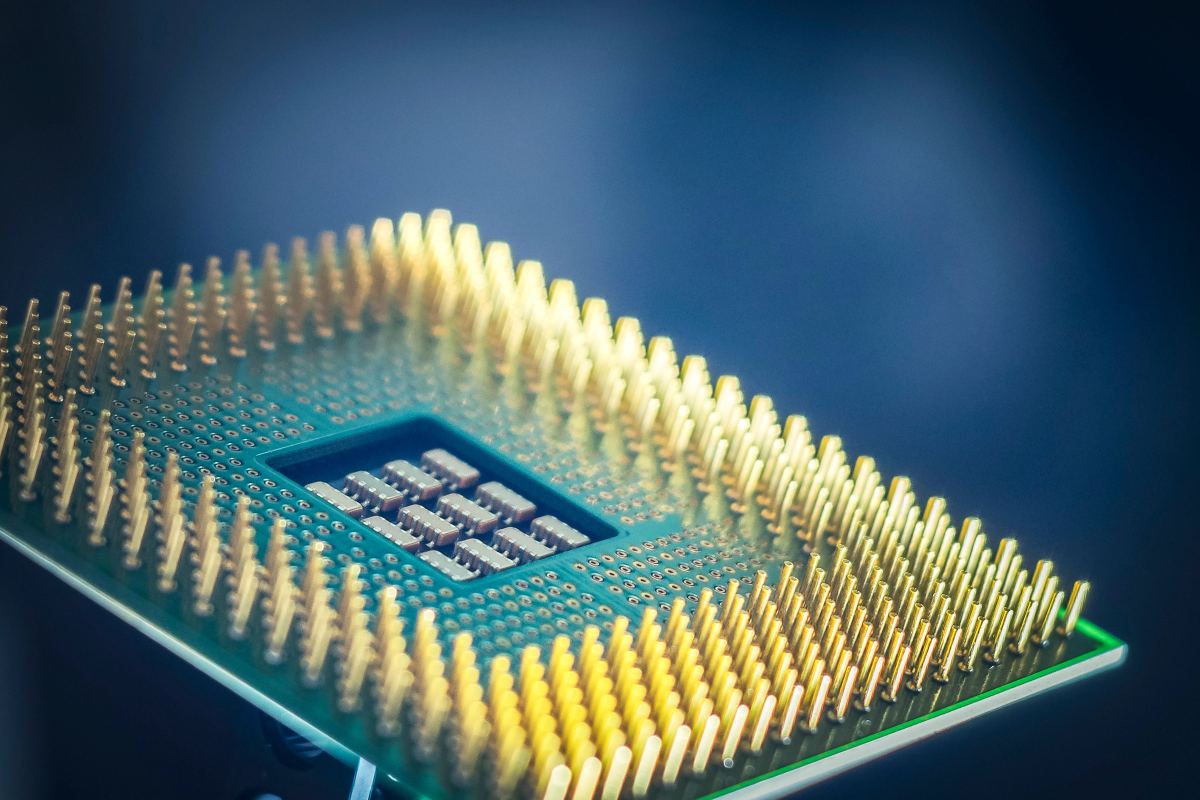
As orders for advanced memory chips continue rising, Samsung and SK Hynix have accumulated record cash reserves while maintaining relatively conservative shareholder return policies.
Some institutional investors argue that holding such large amounts of unused cash could suggest uncertainty about the long-term sustainability of AI-driven profits.

They believe stronger capital allocation—including higher dividends and more aggressive share buybacks—would demonstrate confidence in future earnings while improving shareholder value.
Some shareholders have also proposed extraordinary shareholder meetings to discuss broader capital return strategies.
Why Are AI Chip Makers Holding So Much Cash?
Direct Answer
AI chip manufacturers are generating record cash flows because demand for advanced memory used in artificial intelligence servers has surged. At the same time, companies are retaining large cash reserves to finance expensive semiconductor factories, research, and long-term production expansion needed to support future AI growth.
Unlike many technology businesses, semiconductor manufacturing requires continuous investment in fabrication plants, specialized equipment, and advanced production technologies.
Building a single cutting-edge semiconductor facility can cost tens of billions of dollars and take several years before becoming fully operational.
As AI adoption accelerates worldwide, manufacturers are preparing for sustained demand rather than relying on short-term market cycles.
Companies Signal More Shareholder Return Plans
Both companies acknowledge investor concerns and have indicated that further announcements are coming.
SK Hynix said it is evaluating additional measures to improve shareholder returns and expects to present updated plans later this year.
Samsung Electronics also confirmed that it is reviewing its shareholder return policy and intends to provide more details in the near future.
Despite these discussions, both companies emphasized that maintaining financial stability and funding long-term growth remain central priorities.
Executives argue that balancing capital returns with strategic investment is essential as competition in the global AI semiconductor industry intensifies.
AI Investment Remains the Top Priority
Even as investors seek higher payouts, Samsung and SK Hynix continue expanding production capacity for AI memory chips.
Both companies have secured multi-year supply agreements with major customers as demand for AI infrastructure remains robust.
Industry analysts believe these long-term contracts reduce the risk of oversupply that characterized previous semiconductor cycles.
Recent expansion plans include:
- Increasing production of High-Bandwidth Memory (HBM) chips.
- Expanding semiconductor fabrication capacity.
- Investing in advanced manufacturing infrastructure.
- Supporting future AI server and data center demand.
These investments are expected to play a critical role as AI applications require increasingly powerful memory technologies.
Understanding the Korea Discount
What Is the Korea Discount?
The "Korea discount" refers to the tendency for South Korean companies to trade at lower stock market valuations than many comparable international firms despite strong financial performance. Investors often attribute the gap to corporate governance practices, capital allocation policies, and lower shareholder returns.
Market participants believe that clearer dividend policies and larger share buybacks could help narrow this valuation gap.
Global technology companies have increasingly demonstrated that returning cash to shareholders can coexist with substantial long-term investment in research, manufacturing, and innovation.
Some analysts argue that adopting similar approaches could improve investor confidence in South Korea's technology sector.
Why Have Shares Fallen Despite Strong Earnings?
Despite reporting robust financial results driven by AI demand, shares of Samsung and SK Hynix have retreated from record highs reached earlier this year.
Market analysts cite several factors:
- Concerns about the sustainability of AI spending.
- Profit-taking after strong share price gains.
- Questions surrounding future capital allocation.
- Uncertainty about global semiconductor demand beyond the current AI cycle.
Many investors believe that providing greater clarity on shareholder return policies could improve market confidence and support company valuations.
Can Companies Invest in AI and Reward Shareholders?
Many analysts believe the answer is yes.
The strong cash generation resulting from AI demand gives Samsung and SK Hynix greater financial flexibility than in previous semiconductor cycles.
Rather than choosing between investment and shareholder returns, companies with robust balance sheets may be able to pursue both strategies simultaneously.
Successful execution would allow them to:
- Expand manufacturing capacity.
- Invest in future semiconductor technologies.
- Maintain financial resilience.
- Increase dividends.
- Repurchase shares when appropriate.
How effectively management balances these priorities is likely to remain one of the semiconductor industry's most closely watched issues over the coming year.
Why It Matters
The debate surrounding Samsung and SK Hynix reflects a broader shift in the global semiconductor industry. AI has transformed memory chip manufacturers from cyclical businesses into companies generating unprecedented levels of cash, creating new expectations from investors regarding capital allocation.
Whether the two companies choose to increase dividends, expand share buybacks, or continue prioritizing AI infrastructure investment could influence not only their future valuations but also broader perceptions of South Korea's technology sector. Their decisions may also determine whether the long-discussed "Korea discount" begins to narrow as global investors seek stronger returns alongside continued innovation.