
Samsung and Broadcom Expand AI Chip Alliance in Long-Term Semiconductor Deal
Samsung Electronics has signed a long-term agreement with Broadcom to deepen their partnership across AI-focused semiconductor technologies, including memory chips, contract manufacturing, and advanced packaging. The collaboration, expected to exceed $200 billion through 2030, marks one of Samsung's biggest efforts to strengthen its position in the rapidly growing AI chip market.
Samsung Electronics announced Saturday that it has reached a new agreement with U.S. chip designer Broadcom to expand cooperation on next-generation semiconductor technologies as demand for artificial intelligence infrastructure continues to grow.
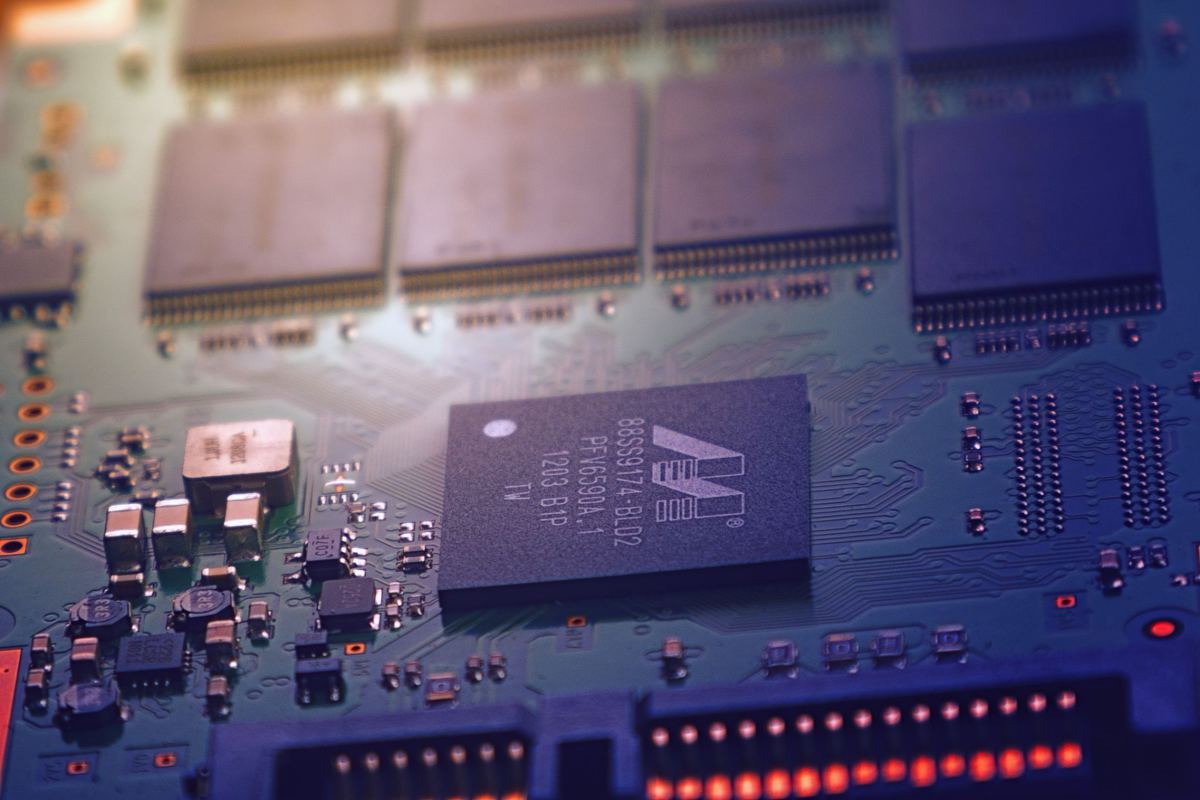
The partnership covers multiple areas of chip development and production, with the companies planning to work together through 2030.
Long-Term Partnership Centers on AI Semiconductor Growth
Under the agreement, Samsung and Broadcom will collaborate on memory chips, contract chip manufacturing, and advanced packaging technologies.
Samsung said the expanded relationship reflects its strategy of providing customers with end-to-end semiconductor solutions for artificial intelligence and high-performance computing applications.
Broadcom's long-term manufacturing commitments are also expected to improve utilization at Samsung's advanced foundry facilities as competition intensifies in the AI semiconductor industry.
Next-Generation Chip Technologies Included
The collaboration will combine Broadcom's expertise in designing application-specific integrated circuits (ASICs) with Samsung's semiconductor manufacturing capabilities.
According to Samsung, Broadcom's next-generation communications chips will be produced using Samsung's sub-2-nanometer process technology, designed to support high-speed data transfer.
The companies also plan to jointly develop future generations of high-bandwidth memory (HBM) products, which play a critical role in AI computing systems.
Samsung Continues Push to Expand Foundry Business
The agreement supports Samsung's broader effort to strengthen its foundry business and compete more aggressively with industry leader TSMC.
The company has been pursuing additional contracts with major technology firms as demand for custom AI processors increases.
Earlier this year, Samsung said it expected to secure more orders for its advanced 2-nanometer manufacturing process following discussions with several large technology companies.
AI Chip Demand Reshapes Industry Competition
The partnership comes as more technology companies develop custom AI accelerators instead of relying exclusively on general-purpose graphics processors.
That shift has increased demand for specialized semiconductor design, manufacturing, and packaging services, creating new opportunities for foundries capable of producing advanced AI chips at scale.
By expanding its relationship with Broadcom, Samsung aims to strengthen its role in supplying the next generation of AI infrastructure.
What's Next
Samsung and Broadcom will continue developing next-generation AI semiconductor technologies through 2030, including advanced ASICs and high-bandwidth memory products. The partnership is expected to support Samsung's efforts to attract additional foundry customers as competition in the AI chip market continues to accelerate.
FAQ
What is the Samsung-Broadcom agreement about?
The companies have expanded their partnership to collaborate on AI-focused semiconductors, including memory chips, contract manufacturing, and advanced packaging.
How large is the partnership?
Samsung said the collaboration is expected to exceed $200 billion through 2030.
What types of chips will Samsung manufacture?
Samsung will manufacture Broadcom's next-generation communications chips using its sub-2-nanometer process technology and collaborate on future HBM memory products.
Why is this deal important for Samsung?
The agreement strengthens Samsung's foundry business and supports its strategy to compete for more AI semiconductor manufacturing contracts.
What are ASICs?
Application-specific integrated circuits (ASICs) are chips designed for specialized tasks, such as AI processing and high-performance computing.
How does this reflect broader AI industry trends?
The partnership aligns with the growing shift toward custom AI chips, increasing demand for advanced semiconductor manufacturing and packaging technologies.