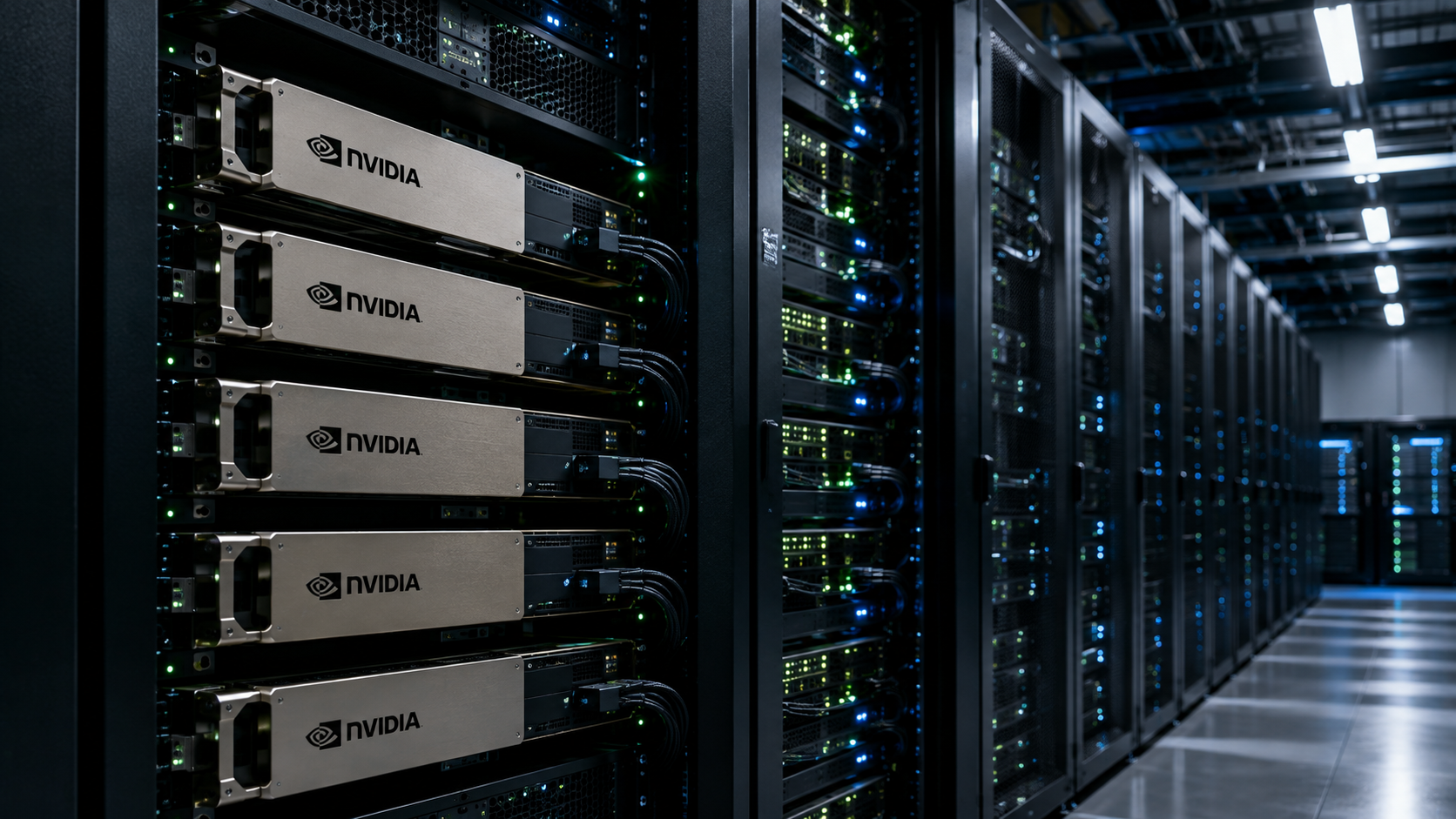
OpenAI-Backed Australian AI Data Center Drops Recycled Water Plan, Raising Sustainability Concerns
Developers behind an OpenAI-supported AI data center in Australia have abandoned plans to cool the facility using recycled water, opting instead for a waterless but more energy-intensive cooling system. The decision has reignited debate over how rapidly expanding AI infrastructure can balance soaring computing demand with limited energy and water resources.
OpenAI-Backed Project Changes Cooling Strategy
Developers of the planned 612-megawatt S7 data center in Sydney have confirmed they will no longer use recycled water for cooling the facility.

The project, being developed by Australian data center operator NEXTDC with support from OpenAI, had originally proposed using treated wastewater to cool servers, reducing pressure on drinking water supplies and the electricity grid.
However, the plan was dropped after developers were unable to obtain planning approval for the pipeline infrastructure needed to transport recycled water.

Why the Recycled Water Plan Was Abandoned
NEXTDC said recycled water remains an attractive sustainability option where supporting infrastructure already exists.
According to the company, Western Sydney currently lacks the necessary pipeline network required to deliver recycled water to the site, making the proposal impractical for the project.

As a result, developers have selected an alternative cooling approach.
Facility Will Use Waterless Cooling Technology
Instead of recycled water, the S7 data center will use a liquid cooling system that circulates coolant around computer chips before removing heat using electrically powered fans.

The approach eliminates the need for drinking or recycled water during cooling but is generally considered to require higher electricity consumption than water-based cooling systems.
Industry experts say the trade-off highlights the growing challenge of designing sustainable AI infrastructure.
One of the World's Largest AI Data Centers
Once completed, the 612-megawatt facility is expected to rank among the largest AI-focused data centers in the world.
OpenAI plans to help design, operate, and purchase computing capacity from the project, supporting the increasing demand for artificial intelligence workloads.
The development reflects the global race to build advanced AI computing infrastructure capable of supporting next-generation AI models.
Energy Grid Faces Growing Pressure
The cooling decision comes as Sydney's electricity network experiences increasing demand from large-scale data center developments.
Grid operator Transgrid has said the transmission network has limited capacity to connect additional major data centers without significant infrastructure upgrades.
Developers seeking new grid connections may be required to help fund network expansion projects.
Governments Introduce New Sustainability Rules
Australia is introducing stricter environmental standards for future AI infrastructure projects.
Federal and state authorities are developing regulations covering:
-
Energy efficiency
-
Water consumption
-
Power Usage Effectiveness (PUE)
-
Planning and environmental impacts
The OpenAI-NEXTDC facility will be required to meet a maximum PUE target of 1.3, one of the more demanding efficiency standards for large-scale data centers.
Experts Call for Better Infrastructure Planning
Industry analysts say the situation illustrates a broader challenge facing governments worldwide.
While AI investment is accelerating rapidly, supporting infrastructure—including recycled water systems, electricity transmission, and utility networks—is expanding more slowly.
Experts argue that closer coordination between governments, utilities, and technology companies will be essential to support sustainable AI growth.
Outlook
Demand for AI computing continues to rise globally, driving investment in increasingly powerful data centers.
As projects grow larger, developers are expected to face tougher decisions balancing energy efficiency, water conservation, environmental regulations, and infrastructure availability.
The OpenAI-backed Sydney project highlights the complex trade-offs involved in building the next generation of AI infrastructure.
FAQ
Why did the OpenAI-backed data center abandon recycled water?
Developers said the necessary pipeline infrastructure to deliver recycled water was not available, preventing the original cooling plan from moving forward.
How will the facility be cooled now?
The project will use a waterless liquid cooling system that circulates coolant around computer chips and removes heat using electrically powered fans.
Will the new cooling method use more energy?
Industry experts say waterless cooling systems generally require more electricity than recycled water-based cooling methods, although they eliminate water consumption.
How large is the planned data center?
The proposed S7 facility is designed to deliver 612 megawatts of computing capacity, making it one of the world's largest AI data centers.
Why is this project significant?
The development demonstrates the growing challenge of expanding AI infrastructure while managing energy demand, water resources, and environmental sustainability.