NYC and San Francisco Pride Parades Conclude LGBTQ+ Pride Month Amid Political Tensions
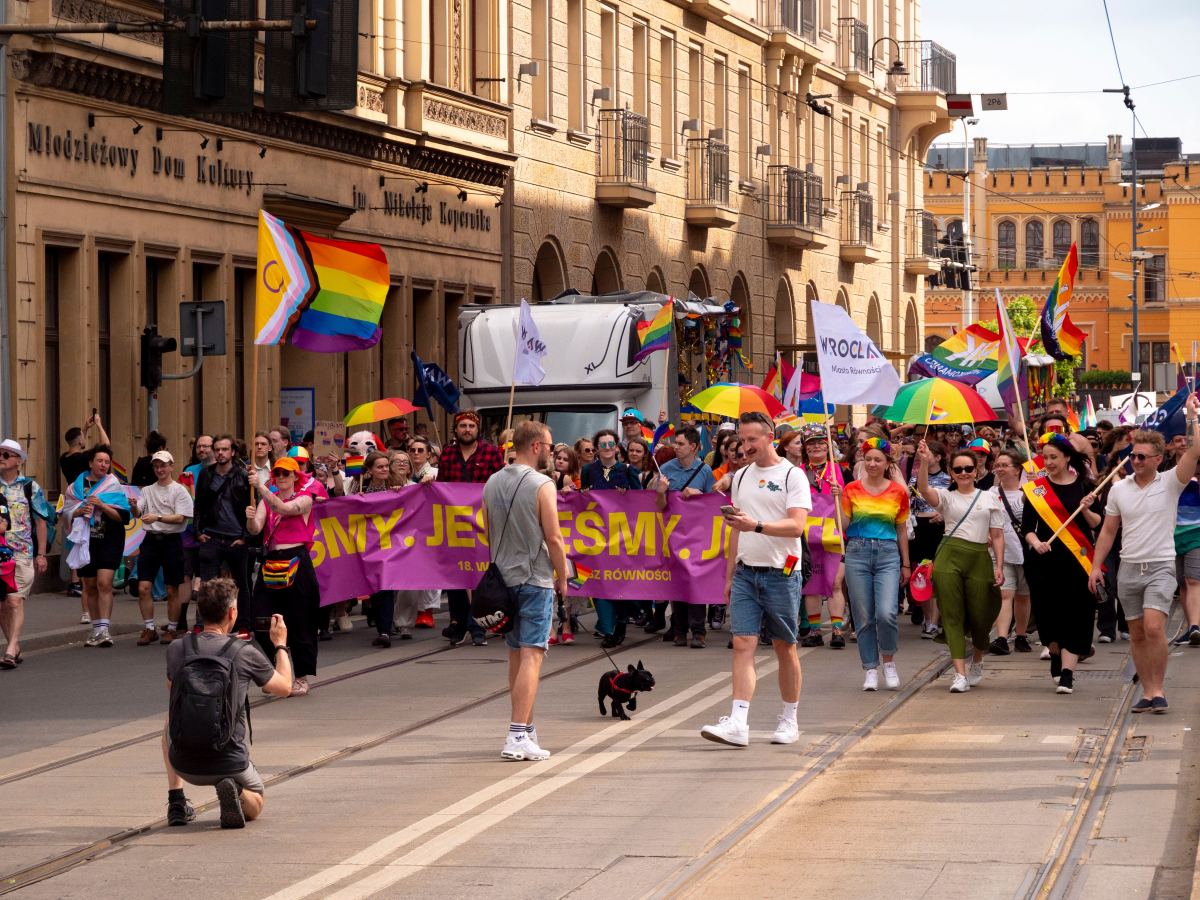
Thousands of people gathered in New York City, San Francisco and other U.S. cities on Sunday to mark the end of LGBTQ+ Pride Month with annual parades celebrating diversity while calling for continued protections for LGBTQ+ rights. The events coincided with the anniversary of the 1969 Stonewall Uprising, a defining moment in the modern LGBTQ+ rights movement.
This year's celebrations took place against a backdrop of growing political debate over transgender rights, diversity initiatives and LGBTQ+ visibility in public life, making many Pride events both celebrations and demonstrations.
Organisers and participants said the parades served as a reminder of the movement's history while emphasising the need to defend existing civil rights protections.
Why were this year's Pride parades especially significant?
The annual Pride marches came as the Trump administration has pursued policies affecting transgender rights and diversity, equity and inclusion (DEI) programs.
Earlier this year, the administration removed the rainbow Pride flag from the Stonewall National Monument before later restoring it following legal challenges.
Chris Piedmont, spokesperson for New York Pride organiser Heritage of Pride, said:
"As LGBTQIA+ events and symbols are being erased, our community must have safe spaces to show up and march to make clear: We are here."
He added:
"We will not be erased."
Many participants said attending the parade was both a celebration and a statement of solidarity.
Carlos Duarte, who travelled from Long Island to attend the New York march, said:
"We need to be here ... to be all together for love, peace, and to show the world who we are."
Why is the Stonewall anniversary important?
The New York City Pride March and the San Francisco Pride Parade trace their origins to demonstrations held in 1970 to commemorate the Stonewall uprising.
The Stonewall rebellion began on June 28, 1969, when patrons of the Stonewall Inn in New York resisted a police raid, an event widely regarded as a turning point in the modern LGBTQ+ rights movement.
The Stonewall Inn continues to operate today, while the nearby Stonewall National Monument serves as a historic site recognising the movement's legacy.
Alongside the official Pride March, activists also held the annual Queer Liberation March in Manhattan, an event founded by organisers who wanted a more activist-focused alternative to the larger parade.
What issues sparked debate during this year's celebrations?
Some transgender rights advocates criticised the participation of several New York City hospitals after those institutions announced they would no longer provide certain gender-affirming treatments for transgender youth.
Christen Clifford, the mother of two transgender children, urged organisers to reconsider allowing those hospitals to participate in future Pride events.
She said:
"How can you let institutions that are actively harming queer kids march in Pride?"
Clifford added:
"I hope that New York City Pride will ban these hospitals from any future Pride parades until they restart care, so that families like mine know that you are listening to our concerns."
Hospital policy changes followed funding pressures from the federal government, while some institutions also received Justice Department subpoenas seeking records related to transgender healthcare. A judge has temporarily blocked those document requests.
Heritage of Pride said it has been discussing the issue with hospital representatives and noted that parade participants represented LGBTQ+ employee groups rather than hospital leadership.
How has the political climate shaped Pride Month?
This year's Pride Month unfolded amid broader political disagreements over LGBTQ+ rights.
Several Republican governors designated June as "Nuclear Family Month" or introduced similar observances positioned as alternatives to Pride celebrations.
Vice President JD Vance also criticised Major League Baseball following controversy surrounding San Francisco Giants players who added Bible verses to rainbow-themed Pride Night caps.
Despite those debates, Pride celebrations continued across the country, with additional parades taking place in cities including Seattle.
Questions About the 2026 Pride Parades
Why are Pride parades held in June?
Pride Month is observed in June to commemorate the Stonewall Uprising of June 1969, which became a catalyst for the modern LGBTQ+ rights movement.
Why were this year's Pride events politically significant?
Many events focused on concerns about transgender rights, diversity initiatives and LGBTQ+ representation following recent federal policy changes and legal disputes.
What is the Stonewall Uprising?
The Stonewall Uprising began after patrons of the Stonewall Inn resisted a police raid in New York City on June 28, 1969. The event helped inspire the modern LGBTQ+ civil rights movement.
What is the Queer Liberation March?
The Queer Liberation March is an alternative New York event established by activists seeking a more grassroots and advocacy-focused demonstration alongside the larger Pride celebration.
As Pride Month concluded, organisers said the annual marches remained both celebrations of LGBTQ+ identity and platforms for advocacy. With ongoing legal and political debates over LGBTQ+ rights continuing across the United States, many participants said the movement's focus on visibility and equality remains as relevant as ever.