Intel Delivers Blowout Forecast as AI Infrastructure Spending Fuels Strong Growth
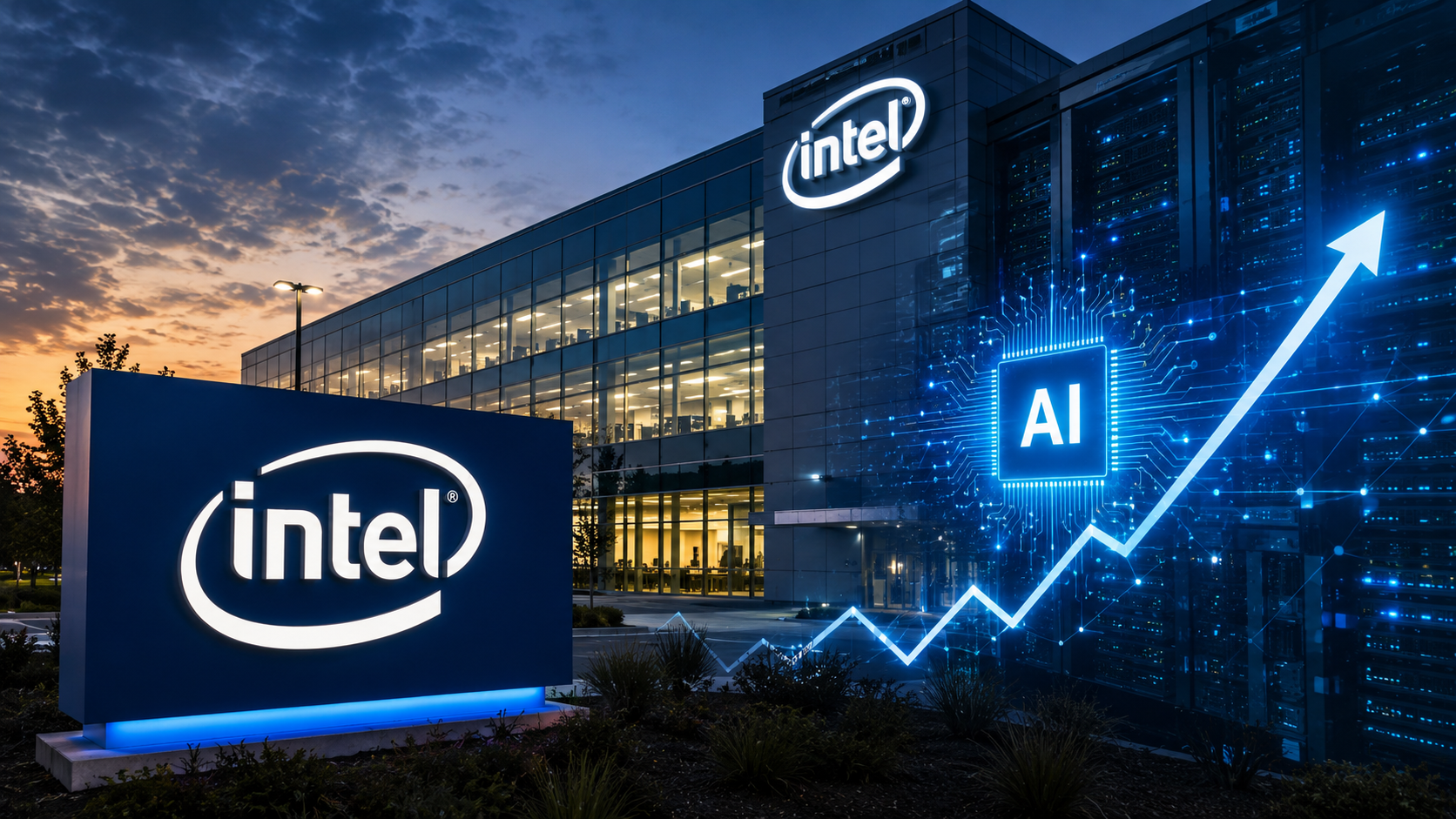
Intel delivered one of its strongest quarterly performances in recent years, surpassing Wall Street expectations and projecting another quarter of robust growth as companies continue investing heavily in artificial intelligence infrastructure. The upbeat outlook sent Intel shares higher in after-hours trading and reinforced investor confidence in the chipmaker's long-term turnaround strategy under CEO Lip-Bu Tan.
The company also announced plans to increase capital spending, signaling confidence that demand for AI-focused computing hardware will remain strong over the coming years.
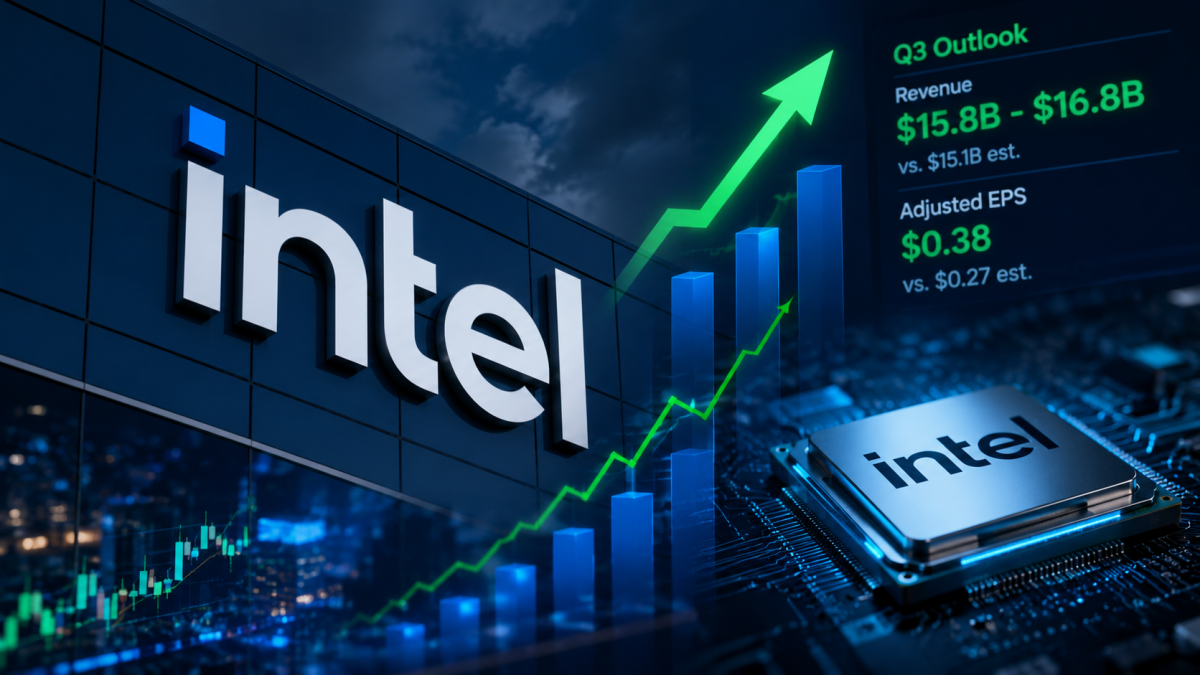
Intel's Outlook Tops Wall Street Expectations
Intel expects third-quarter revenue to range between $15.8 billion and $16.8 billion, comfortably ahead of analysts' consensus estimate of $15.1 billion.
The company also projected adjusted earnings of 38 cents per share, exceeding market expectations of 27 cents per share.
Following the earnings release, Intel shares climbed more than 5% in after-hours trading, reflecting optimism over the company's improving financial outlook and growing role in AI-driven computing.
AI Expansion Continues to Drive Intel's Growth
The rapid adoption of artificial intelligence applications is creating unprecedented demand for high-performance processors used in data centers.
Intel executives said growing deployment of AI systems—including autonomous AI agents capable of handling complex tasks such as software development—has significantly increased demand for the company's server CPUs.
Earlier this year, Intel acknowledged that customer demand for data center processors had exceeded its manufacturing capacity, highlighting how quickly enterprise AI investments have accelerated.
Strong Quarterly Results Beat Analyst Forecasts
For the quarter ended June 27, Intel reported:
-
Revenue of $16.13 billion, up 25.4% year over year
-
Adjusted earnings of 42 cents per share
-
Adjusted gross margin of 41.8%
Each of those figures exceeded analyst expectations, with revenue and profitability both outperforming market forecasts.
The results suggest Intel is benefiting from increased enterprise spending while improving operational efficiency.
Intel Increases Investment in Manufacturing
Confident that demand will remain elevated, Intel raised its planned capital expenditures for the year from $18 billion to $20 billion.
Chief Financial Officer David Zinsner also indicated that spending is expected to increase further next year as the company expands manufacturing capacity to support future AI-related demand.
Intel said it remains disciplined with investments despite entering multi-year supply agreements with customers for data center processors and AI-focused computing products.
CEO Signals Confidence in Intel's Next-Generation Chip Technology
CEO Lip-Bu Tan said Intel is now fully committed to bringing its upcoming 14A manufacturing process into high-volume production in 2028.
The technology represents a critical milestone in Intel's effort to regain manufacturing leadership and compete more effectively with other semiconductor companies developing advanced AI chips.
Tan also said customer interest in the 14A process continues to grow, strengthening confidence that Intel's next-generation manufacturing platform will be commercially competitive.
Data Center Business Posts Another Strong Quarter
Intel's Data Center and AI division generated $6.26 billion in second-quarter revenue, outperforming analyst estimates.
The company's traditional PC business also delivered better-than-expected results.
Revenue from Intel's laptop and desktop processor segment reached $8.88 billion, helped by stronger pricing as the company shifted its product mix toward higher-performance processors.
Foundry Business Continues to Gain Momentum
Intel's contract manufacturing business also exceeded expectations during the quarter.
The foundry division reported $5.77 billion in revenue, reflecting continued progress as Intel works to become a major manufacturer for external chip designers.
The company has also continued expanding customer relationships for its advanced manufacturing technologies, reinforcing investor confidence in its long-term strategy.
Why Investors Are Watching Intel Closely
Intel has spent the past several years rebuilding its competitive position after falling behind rivals in advanced semiconductor manufacturing.
Strong earnings, rising AI demand, improving data center performance, and continued investment in manufacturing are all viewed as important indicators that the company's turnaround efforts may be gaining traction.
While competition in AI chips remains intense, Intel's latest results suggest it is capturing a larger share of the expanding enterprise AI market.
What's Next for Intel?
Investors will closely monitor whether Intel can sustain its revenue momentum, continue expanding AI-related sales, and successfully execute its next-generation manufacturing roadmap.
Upcoming quarters are also expected to provide additional insight into customer adoption of Intel's advanced chip technologies and the continued growth of its foundry business.
FAQ
Why did Intel stock rise after earnings?
Intel shares gained in after-hours trading after the company reported stronger-than-expected quarterly results and issued third-quarter revenue and profit guidance that exceeded Wall Street forecasts.
How much revenue did Intel report in the second quarter?
Intel reported second-quarter revenue of $16.13 billion, representing a 25.4% increase from the same period last year.
Why is AI boosting Intel's business?
Growing investment in AI infrastructure has increased demand for data center processors used to power AI workloads, benefiting Intel's server CPU business.
Did Intel increase its spending plans?
Yes. Intel raised its 2026 capital expenditure forecast from $18 billion to $20 billion as it expands manufacturing capacity to meet growing AI-related demand.
What is Intel's 14A manufacturing process?
Intel's 14A process is the company's next-generation semiconductor manufacturing technology, which CEO Lip-Bu Tan said is expected to enter high-volume production in 2028.
How did Intel's data center business perform?
Intel's Data Center and AI segment generated $6.26 billion in revenue during the second quarter, exceeding analyst expectations.
What will investors watch next?
Investors will focus on Intel's ability to sustain AI-driven revenue growth, expand its foundry business, and successfully execute its advanced manufacturing roadmap while competing in the rapidly growing AI semiconductor market.