Hurricane Genevieve Strengthens to Category 5, Remains Away From Mexico's Coast
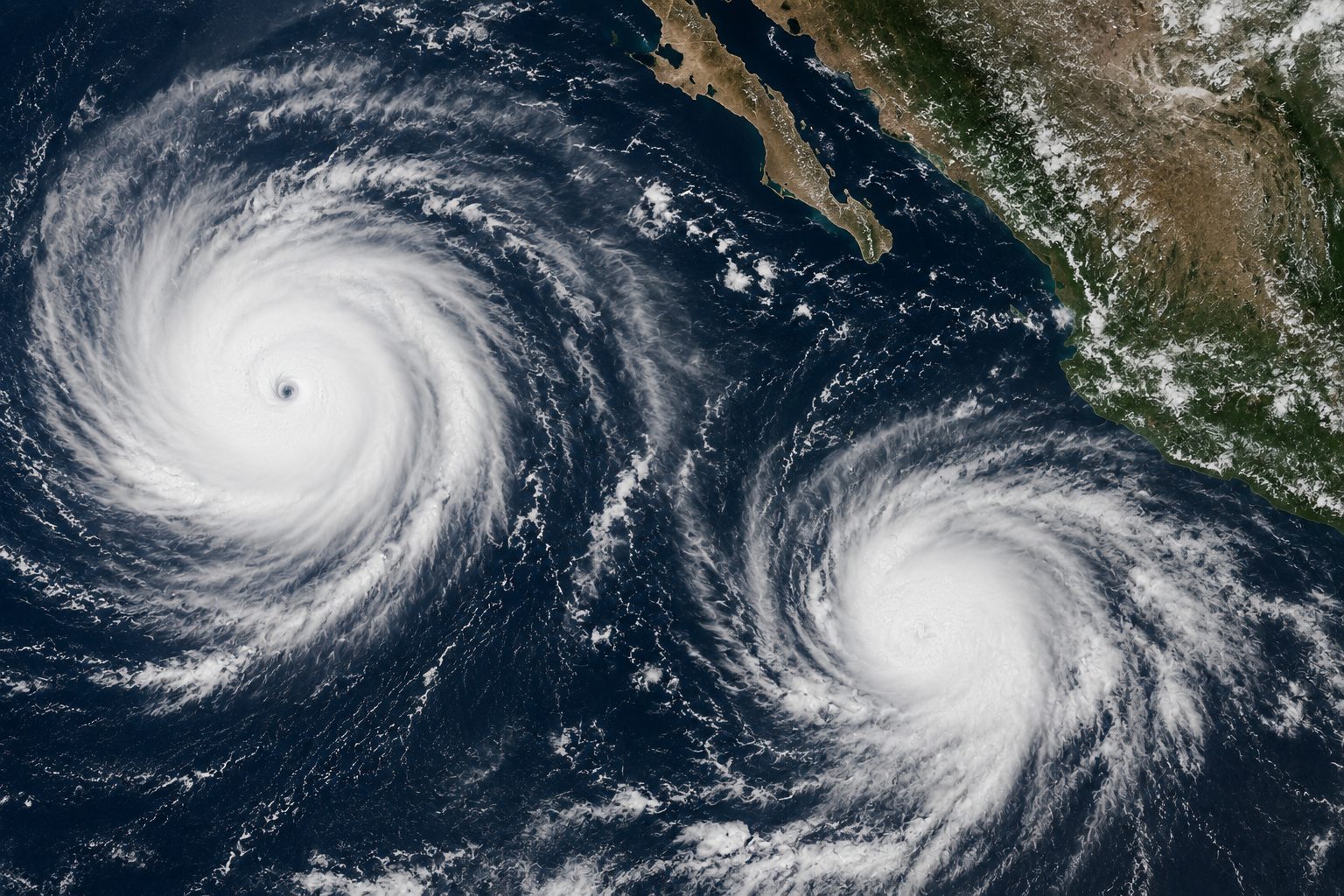
Hurricane Genevieve intensified into a powerful Category 5 storm on Monday, becoming the first major hurricane of that strength in the Eastern Pacific in two years. Although the storm is expected to remain well offshore, forecasters are warning that dangerous surf and rip currents will affect parts of Mexico's Pacific coastline.
The National Hurricane Center (NHC) said Genevieve is tracking northwest over the open Pacific Ocean and is not expected to make landfall.
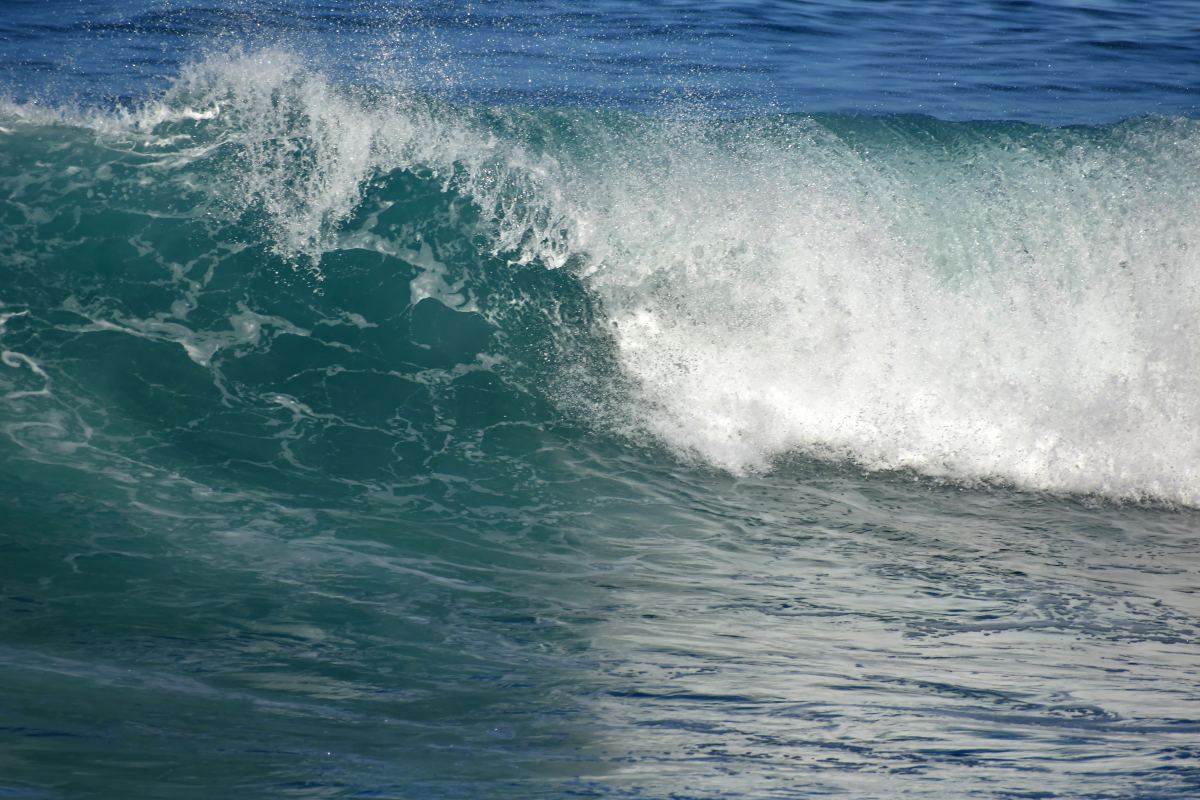
Genevieve Reaches Category 5 Strength
Genevieve rapidly strengthened into a Category 5 hurricane, packing maximum sustained winds of 160 mph (260 km/h).
As of the latest advisory, the hurricane was located about 530 miles (855 kilometers) southwest of Manzanillo, Mexico, and moving northwest at 13 mph (20 km/h).
Meteorologists said the storm is expected to remain over open waters while traveling on a path roughly parallel to Mexico's Pacific coast.
No Landfall Expected
Despite its extreme intensity, Genevieve is not forecast to move ashore.
No coastal hurricane watches or warnings have been issued because the center of the storm is expected to stay well away from populated areas.
However, weather officials cautioned that large ocean swells generated by the hurricane will continue reaching Mexico's southwestern coastline and parts of the Baja California Peninsula.
Dangerous Surf and Rip Currents Expected
Even without a direct landfall, Genevieve poses hazards for coastal communities.
Forecasters warned that powerful waves could create:
-
Life-threatening rip currents
-
Dangerous surf conditions
-
Hazardous swimming conditions
-
Increased risks for small boats near the coast
Residents and visitors along Mexico's Pacific coast are advised to follow guidance from local authorities and avoid entering rough waters.
Hurricane Expected to Weaken Later This Week
The National Hurricane Center forecasts that Genevieve will gradually lose strength beginning Tuesday as environmental conditions become less favorable.
Although weakening is expected, the hurricane is likely to remain a powerful storm while continuing over the Pacific Ocean.
Hurricane Fausto Also Weakens
Meanwhile, Hurricane Fausto has weakened to a Category 1 hurricane as it moves across the Pacific.
The storm was located about 670 miles (1,080 kilometers) east of Hilo, Hawaii, with maximum sustained winds of 80 mph (130 km/h).
Forecasters expect Fausto to weaken into a tropical storm in the coming days, though it may still generate large ocean swells that could affect parts of Hawaii.
What's Next
Meteorologists will continue monitoring Hurricane Genevieve as it moves northwest over the Pacific Ocean. While the storm is expected to remain offshore, dangerous surf and rip current conditions are likely to continue along portions of Mexico's Pacific coast. Officials also expect Genevieve to begin weakening later this week as it moves farther from land.
FAQ
How strong is Hurricane Genevieve?
Genevieve has strengthened into a Category 5 hurricane with maximum sustained winds of 160 mph (260 km/h).
Is Hurricane Genevieve expected to make landfall?
No. Current forecasts indicate the hurricane will remain over the Pacific Ocean and is not expected to move ashore.
Why is the storm still dangerous if it stays offshore?
Large swells from the hurricane can produce life-threatening surf and rip currents, even when the storm's center remains far from land.
Where is Hurricane Genevieve located?
The hurricane is approximately 530 miles southwest of Manzanillo, Mexico, moving northwest over the Pacific Ocean.
What is happening with Hurricane Fausto?
Fausto has weakened to a Category 1 hurricane and is forecast to become a tropical storm while continuing toward the central Pacific, where it may produce elevated surf near Hawaii.