Google's $15 Billion AI Data Center Project in India Faces Court Review Amid Environmental Concerns
Google's planned $15 billion AI-focused data center project in Visakhapatnam, Andhra Pradesh, has become the center of a growing legal and environmental debate. While the investment promises to strengthen India's digital infrastructure and create up to 188,000 jobs, activists have raised concerns over water availability, ecological impacts, and long-term sustainability.
Developed in partnership with the Adani Group, the project represents Google's largest investment in India and reflects the country's growing importance in the global AI ecosystem. However, ongoing court proceedings highlight the challenge of balancing technological expansion with environmental protection.

Quick Facts
- Google plans to invest $15 billion in AI data centers in Visakhapatnam.
- The project is being developed with the Adani Group.
- It is expected to generate up to 188,000 jobs.
- Environmental groups have challenged the project over water availability and its proximity to the Kambalakonda Wildlife Sanctuary.
- The Andhra Pradesh High Court will hear the case again on August 24.
Why Is Google's Data Center Facing Legal Challenges?
A Public Interest Litigation (PIL) has been filed before the Andhra Pradesh High Court, alleging that the project could place additional pressure on local water resources.
According to government figures cited in the case, Visakhapatnam currently receives approximately 410 million liters of water per day while demand has reached around 480 million liters, resulting in periodic water rationing.
Petitioners argue that constructing one of India's largest AI data center campuses could increase pressure on already limited water supplies.
Additional petitions have also been filed before India's environmental tribunal seeking a review of environmental clearances granted to the project.
The High Court has directed the Andhra Pradesh government to respond to the allegations before the next hearing scheduled for August 24.
How Much Water Do AI Data Centers Actually Use?
Direct Answer
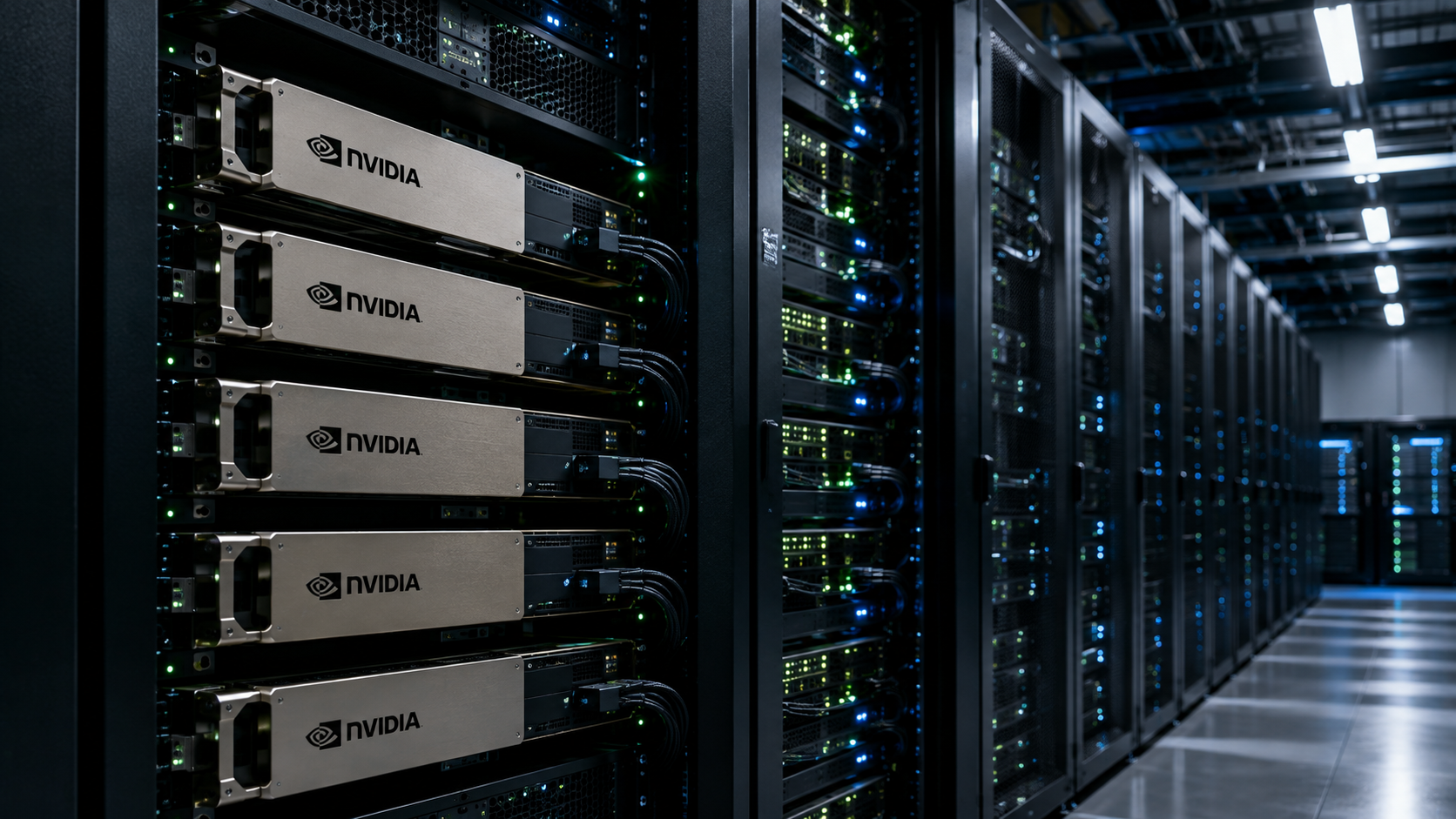
AI data centers require significant cooling to operate thousands of high-performance servers. While many facilities traditionally use water-based cooling systems, technology companies are increasingly adopting advanced air-cooling, liquid cooling, and energy-efficient designs to reduce water consumption and improve sustainability.
As AI workloads become more demanding, cooling infrastructure has become one of the largest environmental considerations for new data centers.
Large facilities consume substantial electricity while generating heat that must be removed continuously to maintain reliable operations.
Because of these requirements, communities increasingly examine whether major data center developments could affect local water supplies and power infrastructure.
Environmental Groups Raise Wildlife Concerns
Beyond water availability, environmental organizations have questioned the project's location near the Kambalakonda Wildlife Sanctuary.
Activists argue that large-scale construction activity, increased traffic, and operational noise could affect nearby ecosystems.
Conservation experts have emphasized the importance of carefully assessing long-term environmental impacts before major infrastructure projects proceed in environmentally sensitive areas.
Although no court has ruled that the project violates environmental regulations, these concerns remain central to the ongoing legal proceedings.
Government Defends the Project
The Andhra Pradesh government has rejected allegations that the project received environmental approvals without adequate review.
Officials have stated that:
- No residential or rural drinking water will be diverted to support the project.
- A nearby reservoir will not serve as the data center's primary water source.
- Environmental regulations are being followed throughout construction.
Authorities also said they remain willing to address legitimate public concerns while defending the project before the courts.
Government officials argue that the investment will strengthen India's digital economy, create employment opportunities, and position Andhra Pradesh as a major AI infrastructure hub.
Google's Sustainability Strategy
Google has emphasized that sustainability remains a core part of the project's design.
The company says it will:
- Comply with all applicable Indian environmental laws.
- Use advanced air-cooling technologies to reduce dependence on local water resources.
- Install sound-reduction measures to minimize noise affecting nearby wildlife habitats.
- Continue working with regulatory authorities throughout construction.
These measures reflect a broader industry shift toward designing AI infrastructure with lower environmental impact.
Google has not publicly indicated any changes to the project's construction schedule.
Why AI Data Centers Are Becoming an Environmental Debate Worldwide
The rapid expansion of artificial intelligence is driving unprecedented investment in data centers across the world.
These facilities require:
- Massive electrical capacity.
- High-speed networking infrastructure.
- Sophisticated cooling systems.
- Reliable land and water resources.
- Backup power generation.
As a result, similar environmental debates have emerged in North America, Europe, and Asia, where communities have questioned how large AI infrastructure projects affect water availability, electricity demand, biodiversity, and local development.
Industry experts say future AI growth will increasingly depend on technologies that reduce energy consumption and improve cooling efficiency.
Can AI Infrastructure Grow Sustainably?
Technology companies are investing heavily in solutions that reduce the environmental footprint of AI facilities.
These include:
- Advanced air-cooling systems.
- Liquid cooling technologies.
- Renewable energy integration.
- Heat recovery systems.
- AI-powered energy management.
- More efficient semiconductor hardware.
Experts believe sustainable engineering will become a competitive advantage as governments strengthen environmental regulations and communities demand greater transparency from large technology projects.
Balancing innovation with responsible resource management is expected to remain one of the defining challenges of the AI era.
What Happens Next?
The Andhra Pradesh High Court will continue hearing the case later this month while separate environmental proceedings examine the project's regulatory approvals.
Construction is continuing as legal proceedings unfold.
The outcome could influence not only Google's investment but also future AI infrastructure projects across India, where governments are actively competing to attract large-scale technology investments while addressing environmental concerns.
Why It Matters
Google's Visakhapatnam project illustrates the growing tension between rapid AI expansion and environmental sustainability. While large data centers are becoming essential infrastructure for artificial intelligence, they also require significant energy, land, and cooling resources, prompting greater public scrutiny around the world.
The case may help shape how India evaluates future technology investments, balancing economic development, digital transformation, and environmental protection. As AI infrastructure continues expanding globally, sustainable design and responsible resource management are likely to become just as important as computing power itself.