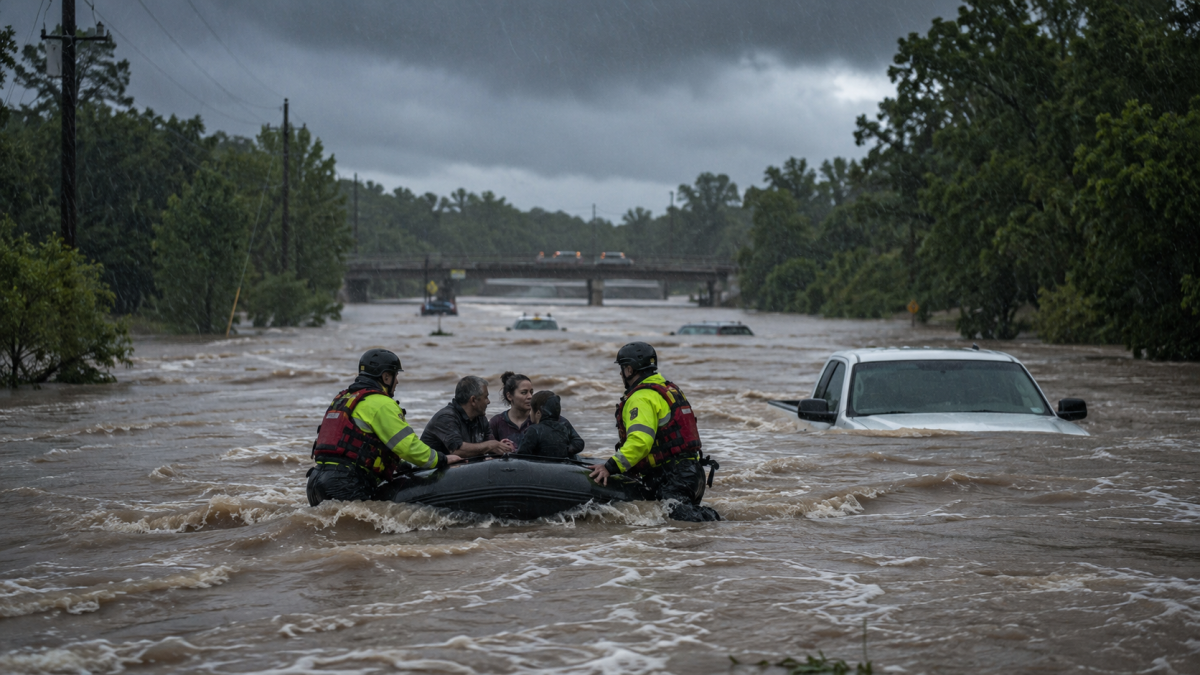
Texas Declares Flood Emergency as Torrential Rain Sparks Widespread Rescues
Texas is facing another major flooding emergency after relentless rainfall triggered dangerous flash floods across much of the state's south-central region, washing out roads, stranding motorists and prompting dozens of rescues. The latest disaster comes almost exactly one year after the catastrophic Camp Mystic flooding that claimed nearly 140 lives, raising renewed concerns about the state's vulnerability to extreme weather.
Heavy Rain Swamps Communities Across South-Central Texas
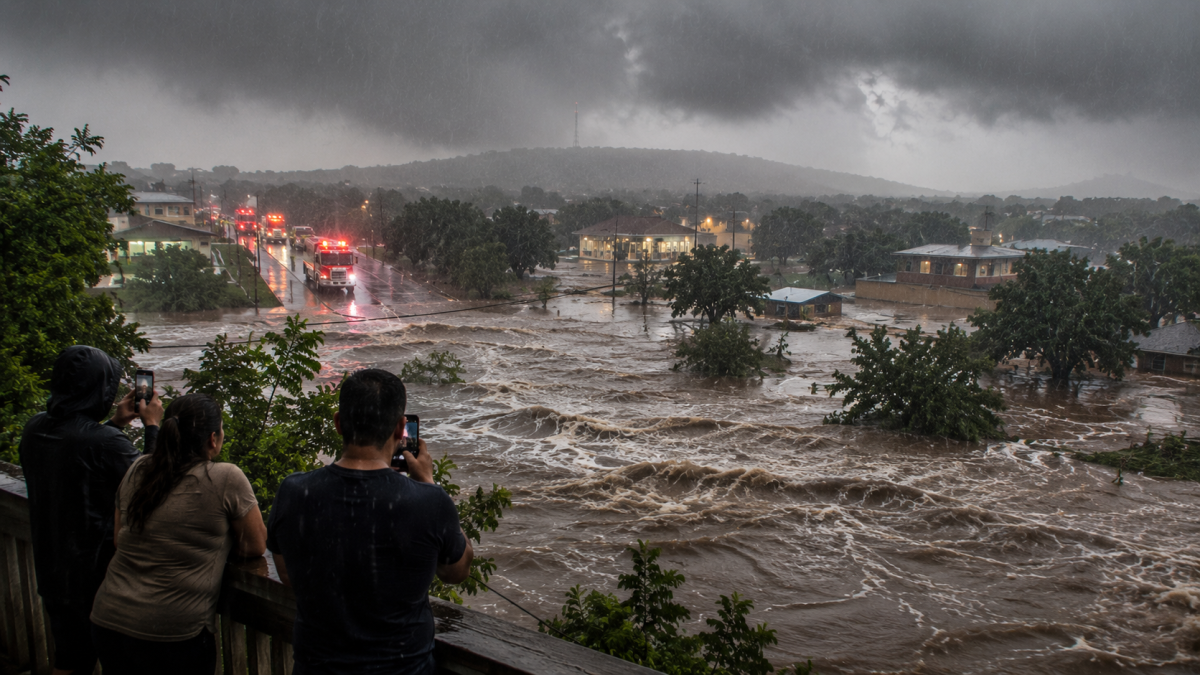
Emergency officials issued widespread flood warnings on Wednesday as intense rainfall overwhelmed rivers, creeks and roadways across large parts of south-central Texas.
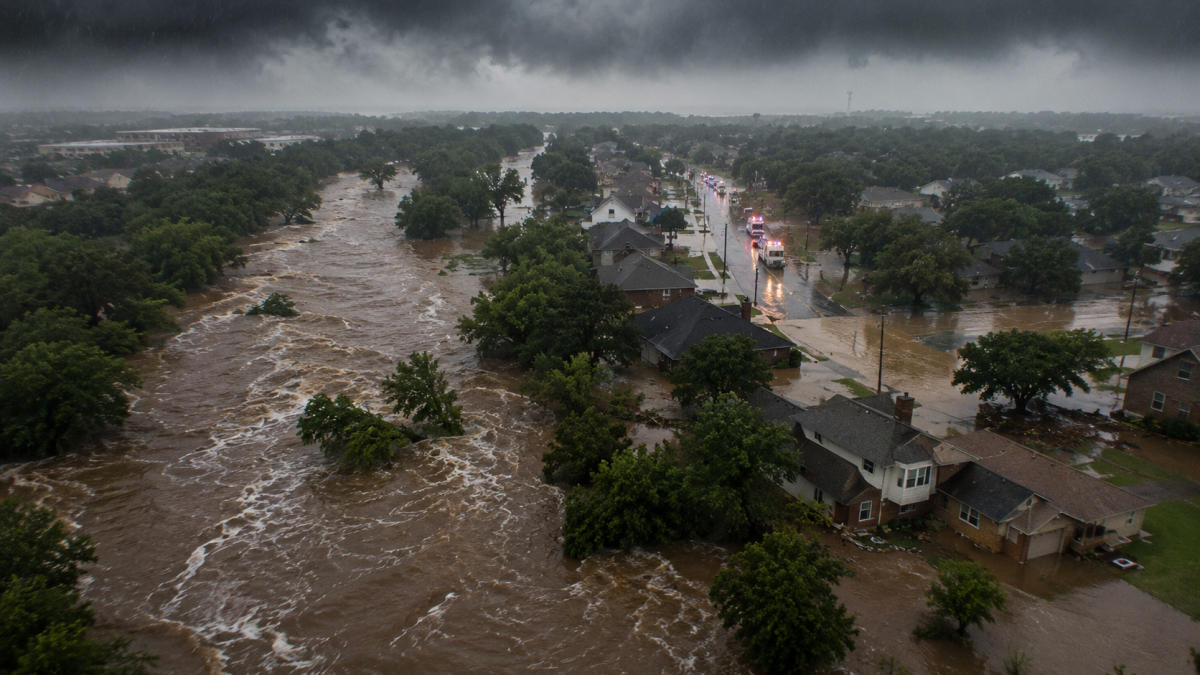
Governor Greg Abbott said the Nueces River basin has been among the hardest-hit areas, with rapidly rising water levels threatening communities already familiar with severe flooding. The region sits near Texas Hill Country, where devastating floods last year caused one of the state's deadliest natural disasters.
Officials warned residents that dangerous flooding could continue as additional rainfall moves through the area.
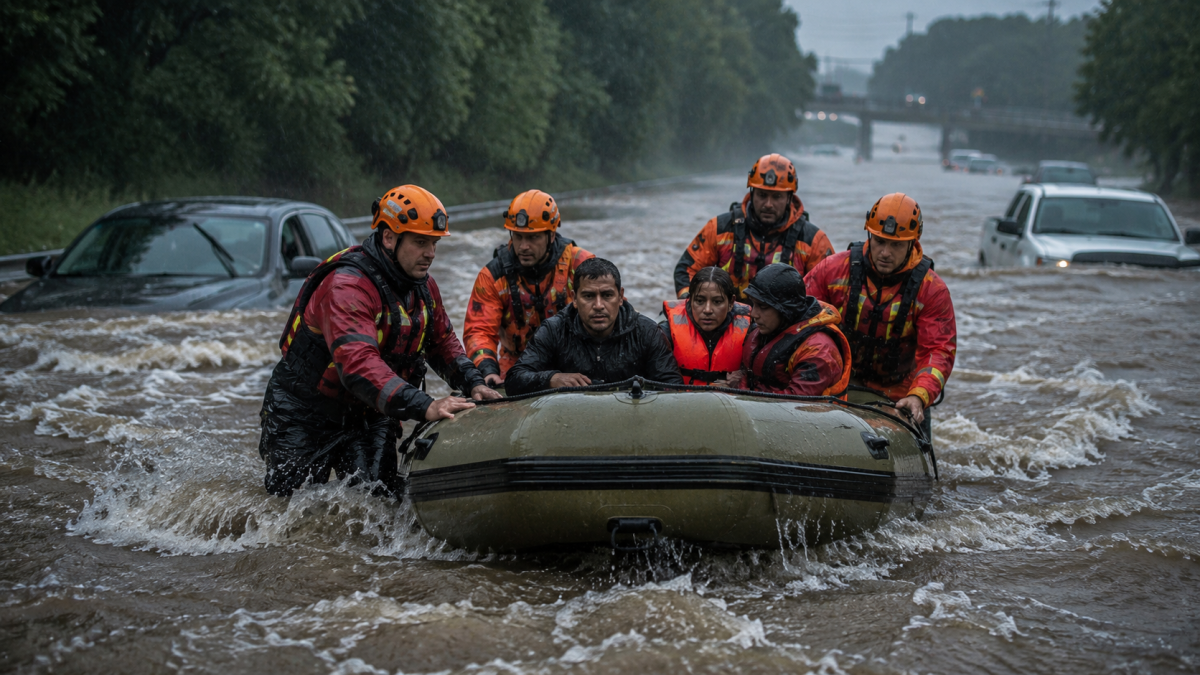
More Than 75 People Rescued
State emergency crews carried out more than 75 rescues, with most involving drivers trapped by rapidly rising floodwaters.
Authorities urged Texans to avoid driving through flooded roads, reminding residents that even shallow moving water can quickly sweep away vehicles.
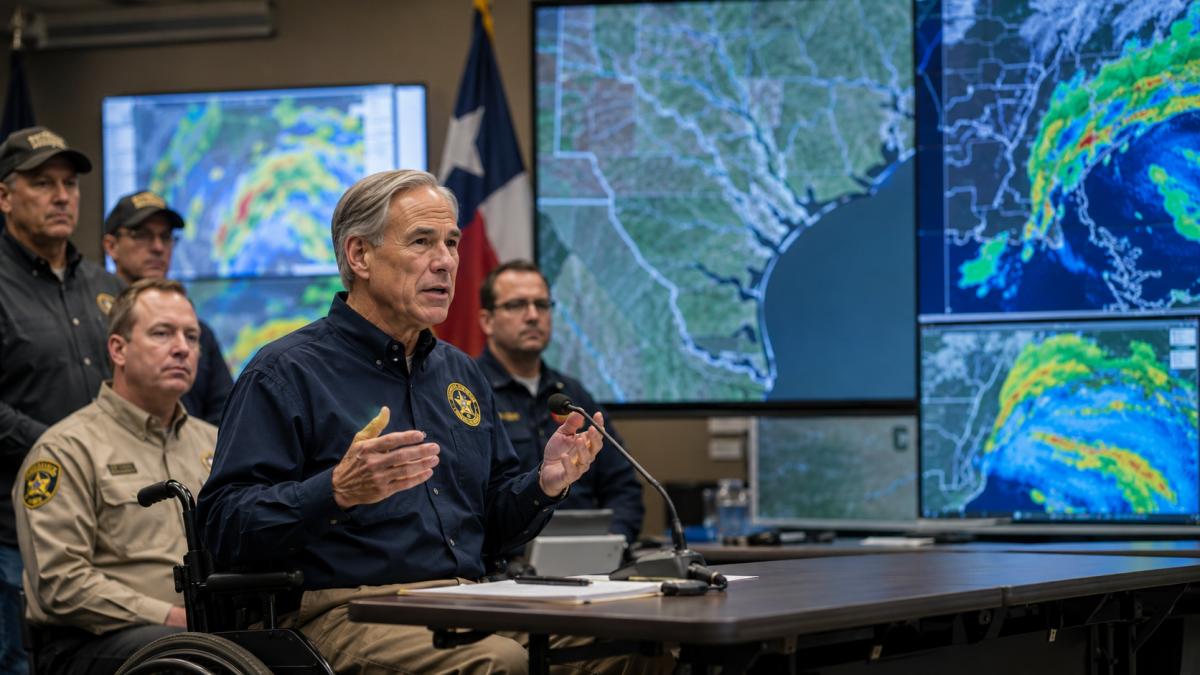
Emergency responders remain on standby as flood conditions continue to evolve.
Governor Warns Flooding Could Break Records
Speaking during a news briefing, Abbott said the state is preparing for what could become one of the most significant flooding events in Texas history.
He noted that water levels are expected to continue rising over the next 24 to 48 hours, increasing the risk of additional flooding across affected counties.
Despite the widespread damage, officials said no fatalities had been reported as of Wednesday evening.
More Than 100 Roads Damaged or Closed
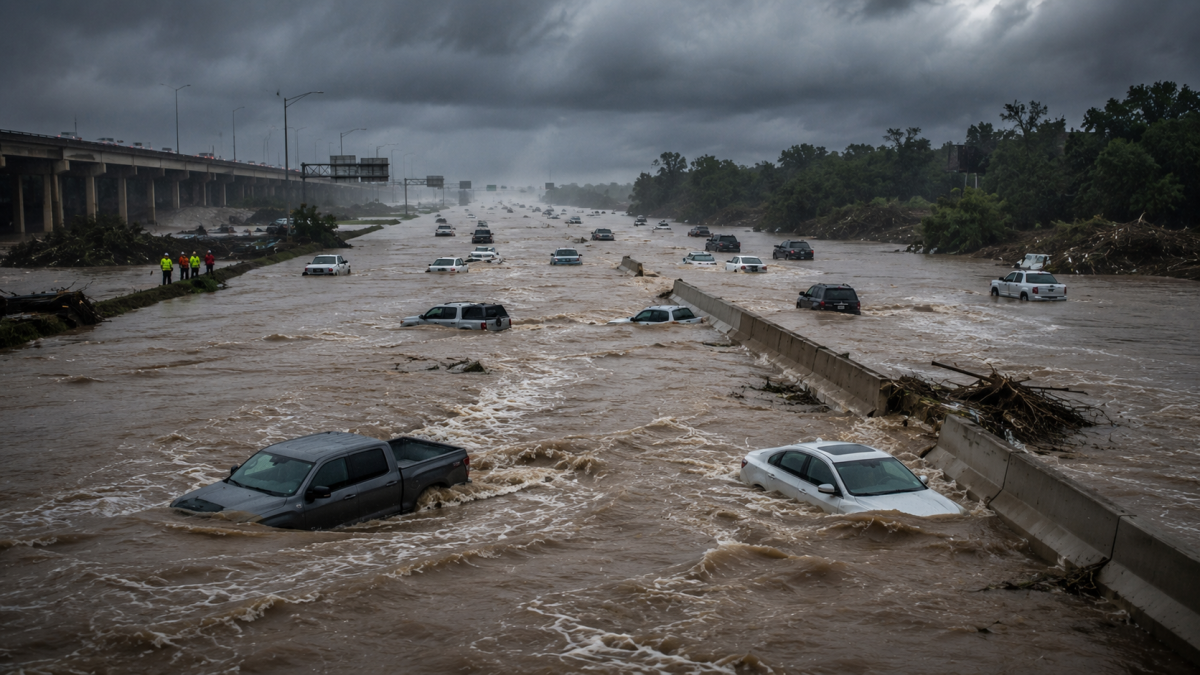
Floodwaters washed over highways and local roads throughout the region, leaving transportation networks heavily disrupted.
State transportation officials reported that more than 100 roads were either damaged or rendered impassable as heavy runoff swept across communities.
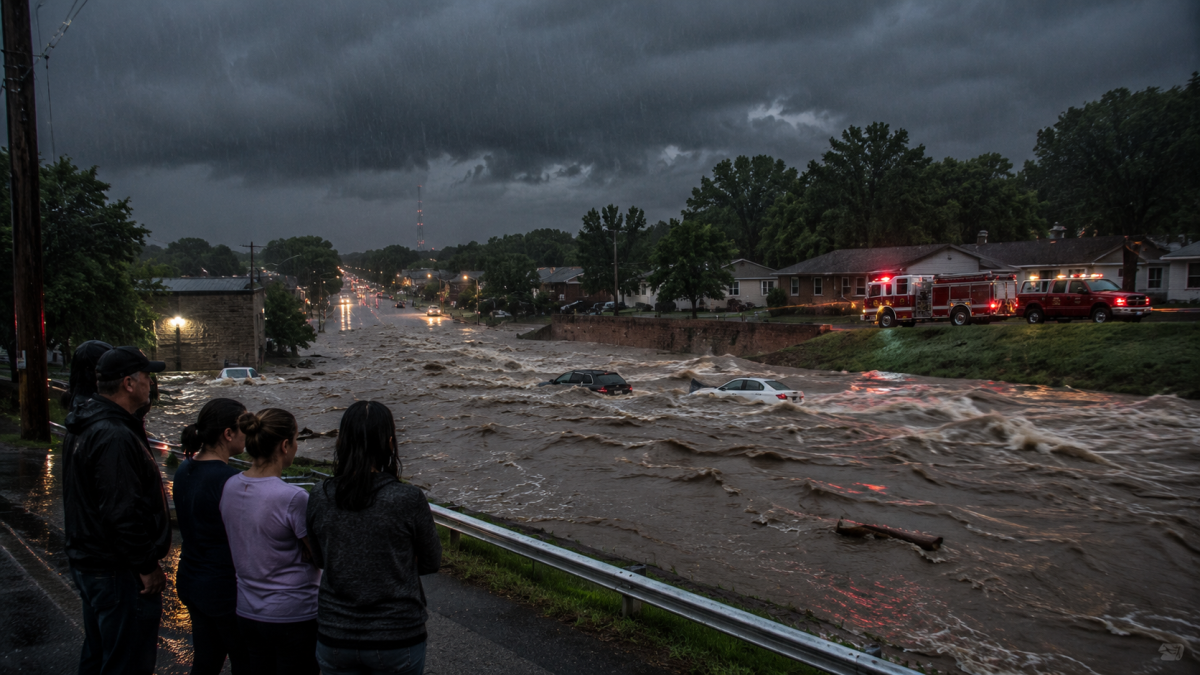
Television footage showed submerged vehicles, flooded intersections and fast-moving muddy water covering major roadways.
Flash Flood Emergency Issued for Parts of Texas
Texas has placed much of south-central Texas under a flood watch, while a flash flood emergency remains in effect for Kendall County, west of San Antonio.
State emergency management officials described the storm as a life-threatening rainfall event, with meteorologists recording rainfall rates of up to 3 inches per hour in some locations.
Some communities have already received between 10 and 15 inches of rain, with forecasters warning that similar amounts could fall before the storm system weakens.
Disaster Declaration Activates State Response
Governor Abbott has declared a disaster across 59 Texas counties, activating large-scale emergency operations.
More than 1,300 personnel from over 30 state agencies have been deployed to assist with rescue operations, road closures, emergency shelters and public safety efforts.
Officials continue monitoring rivers and reservoirs as additional rainfall is expected.
Memories of the Camp Mystic Tragedy Return
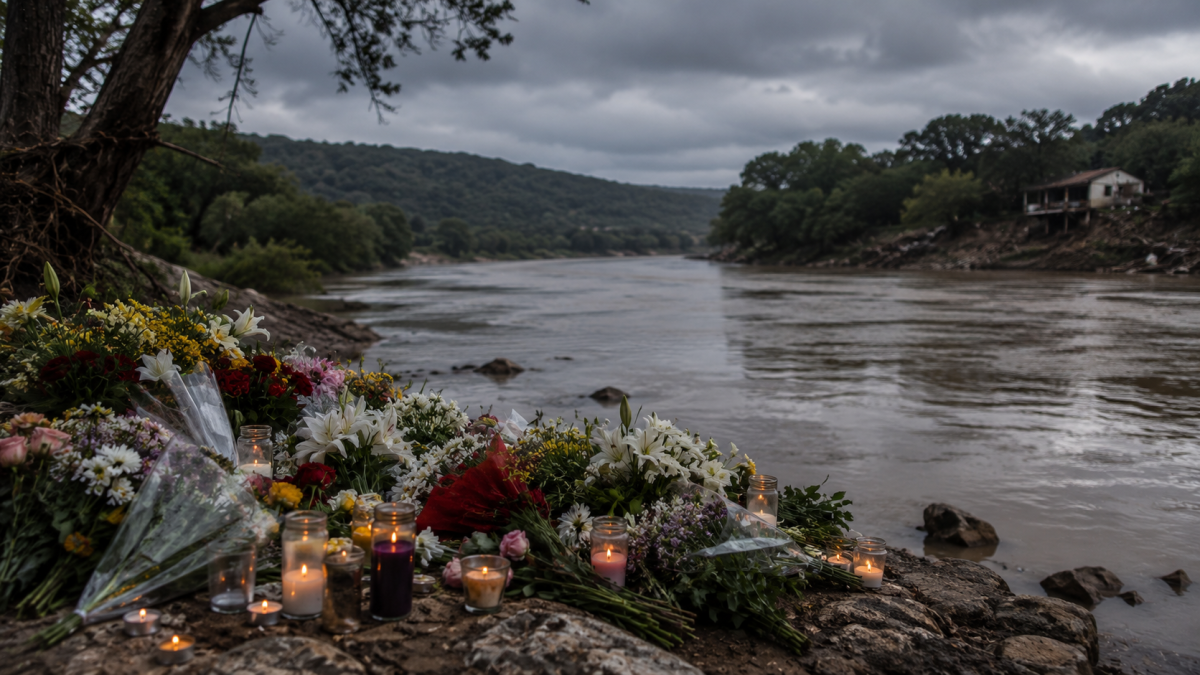
The latest flooding comes roughly one year after the catastrophic 2025 Camp Mystic disaster, when nearly 140 people lost their lives during historic flooding in Texas Hill Country.
Among the victims were 27 children and staff members at Camp Mystic along the Guadalupe River.
Although this week's flooding is centered primarily around the nearby Nueces River basin, both watersheds eventually flow into the Gulf of Mexico and are vulnerable to intense rainfall events.
Other Southwestern States Also Face Flood Threats
Texas is not the only state dealing with dangerous weather.
The National Weather Service has also issued flash flood watches across large portions of Arizona, including Phoenix and Tucson, as seasonal monsoon storms move through the Southwest.
Flood advisories have also been posted for parts of southern Utah, where heavy rain could trigger dangerous runoff in canyon areas.
Meanwhile, much of the central and eastern United States continues experiencing an extended period of intense heat and humidity.
Why This Flood Emergency Matters
The latest flooding highlights the growing challenge of managing increasingly intense rainfall events across Texas.
With rivers rising rapidly and forecasts calling for additional heavy rain, emergency officials continue urging residents to remain alert, follow evacuation orders when issued and avoid flooded roads.
As recovery efforts continue, authorities remain focused on protecting lives while monitoring conditions that could worsen before the storm system moves out of the region.
Frequently Asked Questions (FAQ)
Why did Texas declare a flood emergency?
Governor Greg Abbott declared a disaster after heavy rainfall caused dangerous flooding across dozens of counties, overwhelming rivers, roads and emergency services.
How many people have been rescued?
State officials reported that more than 75 people had been rescued, most of them motorists stranded by floodwaters.
Which areas have been hardest hit?
The Nueces River basin and surrounding parts of south-central Texas have experienced some of the most severe flooding.
Is more rain expected?
Yes. Forecasters expect additional heavy rainfall, with some areas potentially receiving another 10 to 15 inches before conditions improve.
Is this related to last year's Camp Mystic disaster?
The flooding is occurring near the same broader Texas Hill Country region affected by the 2025 Camp Mystic tragedy, though it involves a different river system. The anniversary has renewed public attention on flood preparedness and emergency response.