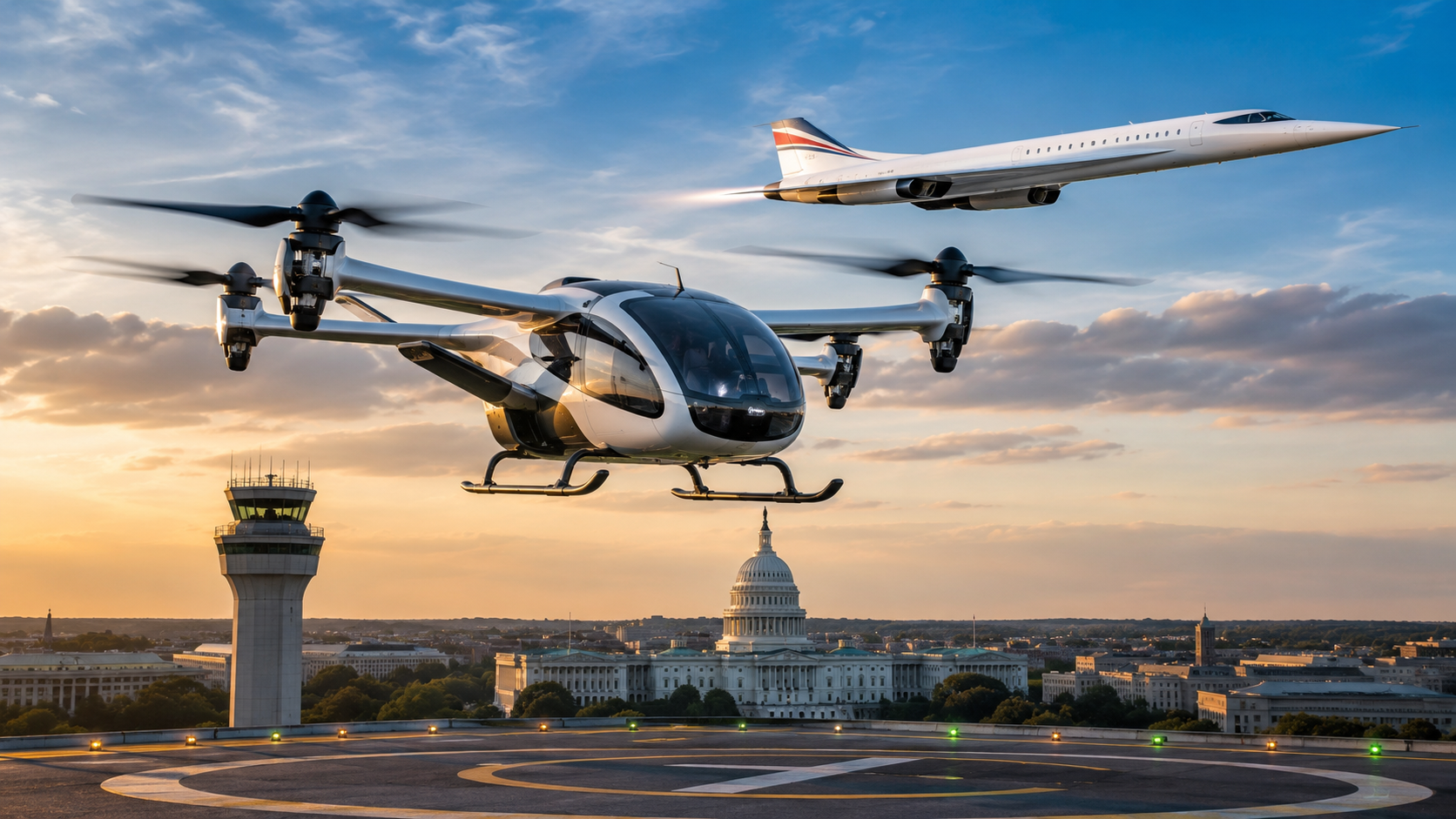
FAA Accelerates Air Taxi and Supersonic Aircraft Plans to Modernize US Aviation
The Federal Aviation Administration (FAA) is stepping up efforts to bring next-generation aircraft into commercial service, advancing plans for electric air taxis, supersonic passenger jets, expanded drone operations, and increased space launches. Officials say the goal is to modernize U.S. aviation regulations while ensuring new technologies are introduced safely and efficiently.
FAA Pushes to Speed Next-Generation Aviation
The FAA is working to streamline certification and regulatory processes for emerging aviation technologies as demand grows for faster, cleaner, and more advanced forms of air transportation.
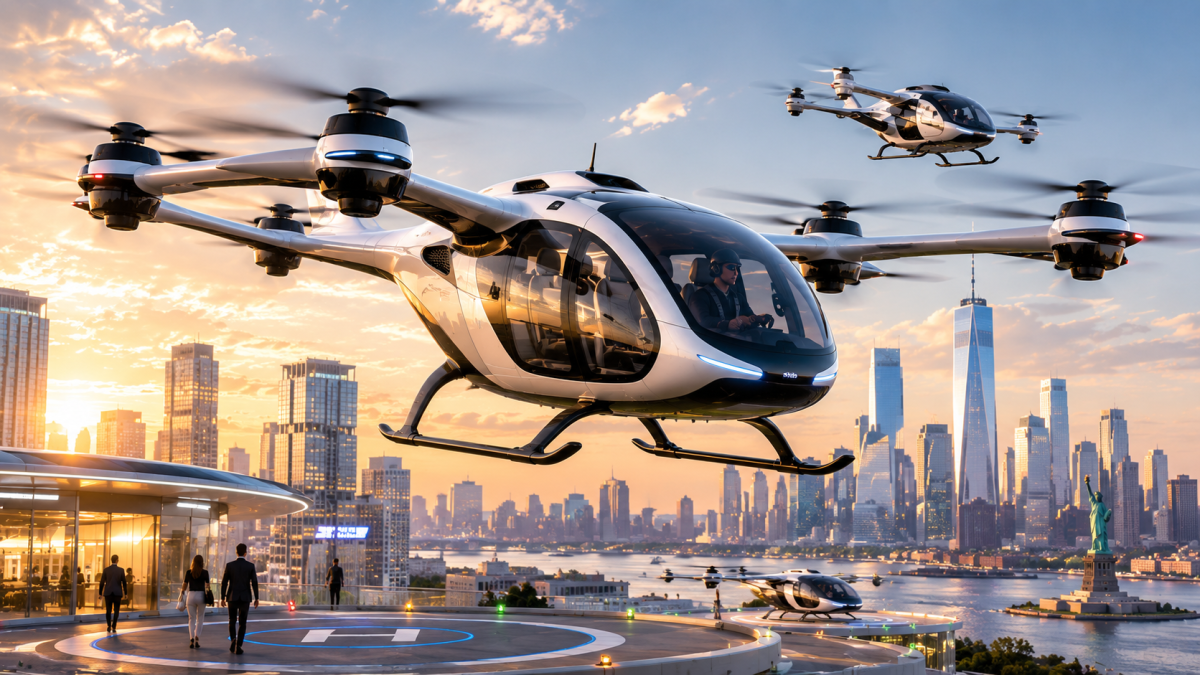
Agency officials say regulations must evolve alongside innovation, allowing manufacturers to develop new aircraft without unnecessary regulatory barriers while maintaining strict safety standards.
Air Taxi Pilot Program Expands Across the United States
A nationwide FAA pilot program is helping prepare electric vertical takeoff and landing aircraft (eVTOLs) for commercial operations.

The initiative currently involves eight partner companies operating across 26 states, giving regulators valuable operational data to support future certification and deployment decisions.
Officials say real-world testing will help integrate air taxis safely into the national airspace.
eVTOL Aircraft Aim to Transform Urban Transportation
Electric air taxis are designed to take off and land vertically, making them suitable for short-distance travel in cities and airport connections.
Developers believe the aircraft could reduce traffic congestion while providing faster transportation for commuters and business travelers.
Several aviation companies are racing to secure regulatory approvals before launching commercial passenger services.
Archer Aviation Sees Gradual City-by-City Rollout
Archer Aviation expects commercial air taxi services to expand gradually rather than through a nationwide launch.
Company leadership compared the rollout strategy to the phased expansion of autonomous ride-hailing services, with operations beginning in carefully selected cities before expanding to larger markets.
The approach allows regulators and operators to refine procedures while maintaining high safety standards.
FAA Advances New Rules for Supersonic Passenger Flights
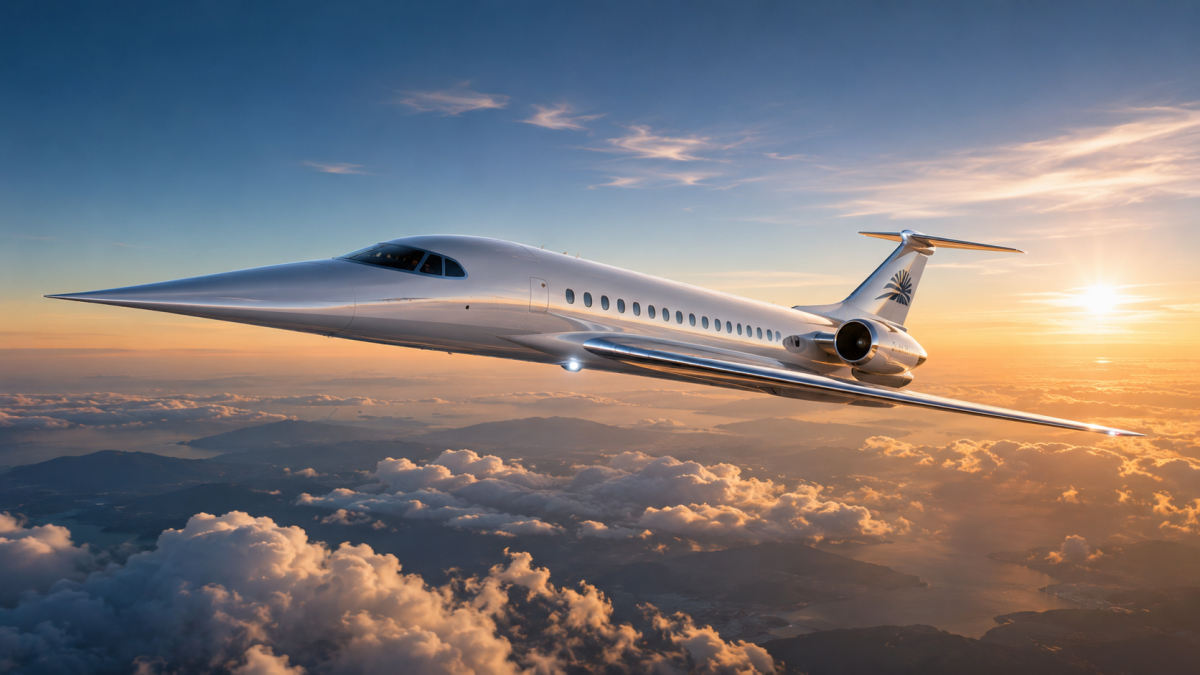
The agency is also moving forward with regulations that could pave the way for a new generation of commercial supersonic aircraft.
The FAA plans to complete two major regulatory updates by mid-2027, including rules governing acceptable aircraft noise during takeoff, landing, and supersonic flight.
The proposed changes could eventually replace restrictions that have limited overland supersonic passenger travel in the United States for decades.
Supersonic Aviation Could Return After Two Decades
Commercial supersonic passenger service largely disappeared after the retirement of Concorde in 2003.
Before new aircraft can enter service, manufacturers will still need to obtain regulatory certification after updated FAA rules are finalized.
Industry leaders believe advances in aircraft design and noise reduction technology could make a new generation of supersonic travel commercially viable.
Modern Aviation Strategy Extends Beyond Air Taxis
Along with eVTOL aircraft and supersonic jets, the FAA is also supporting broader efforts to expand commercial drone operations and increase space launch capabilities.
Officials say these initiatives are part of a long-term strategy to modernize America's aviation system while encouraging technological innovation across multiple sectors.
FAQ
What are eVTOL aircraft?
eVTOL stands for electric vertical takeoff and landing aircraft. These vehicles are designed to operate like helicopters during takeoff and landing while offering quieter and more efficient electric flight.
Why is the FAA creating an air taxi pilot program?
The program allows regulators to collect real-world operational data that will support certification and help integrate air taxis safely into U.S. airspace.
When could supersonic passenger flights return?
The FAA expects to finalize key supersonic aviation rules by mid-2027. Commercial operations would still require aircraft certification before passenger service begins.
Why are aviation companies investing in air taxis?
Developers believe air taxis could provide faster urban transportation, reduce road congestion, and improve airport connectivity using electric aircraft.
What other technologies is the FAA supporting?
In addition to air taxis and supersonic aircraft, the FAA is advancing policies related to commercial drones, space launches, and other next-generation aviation technologies.