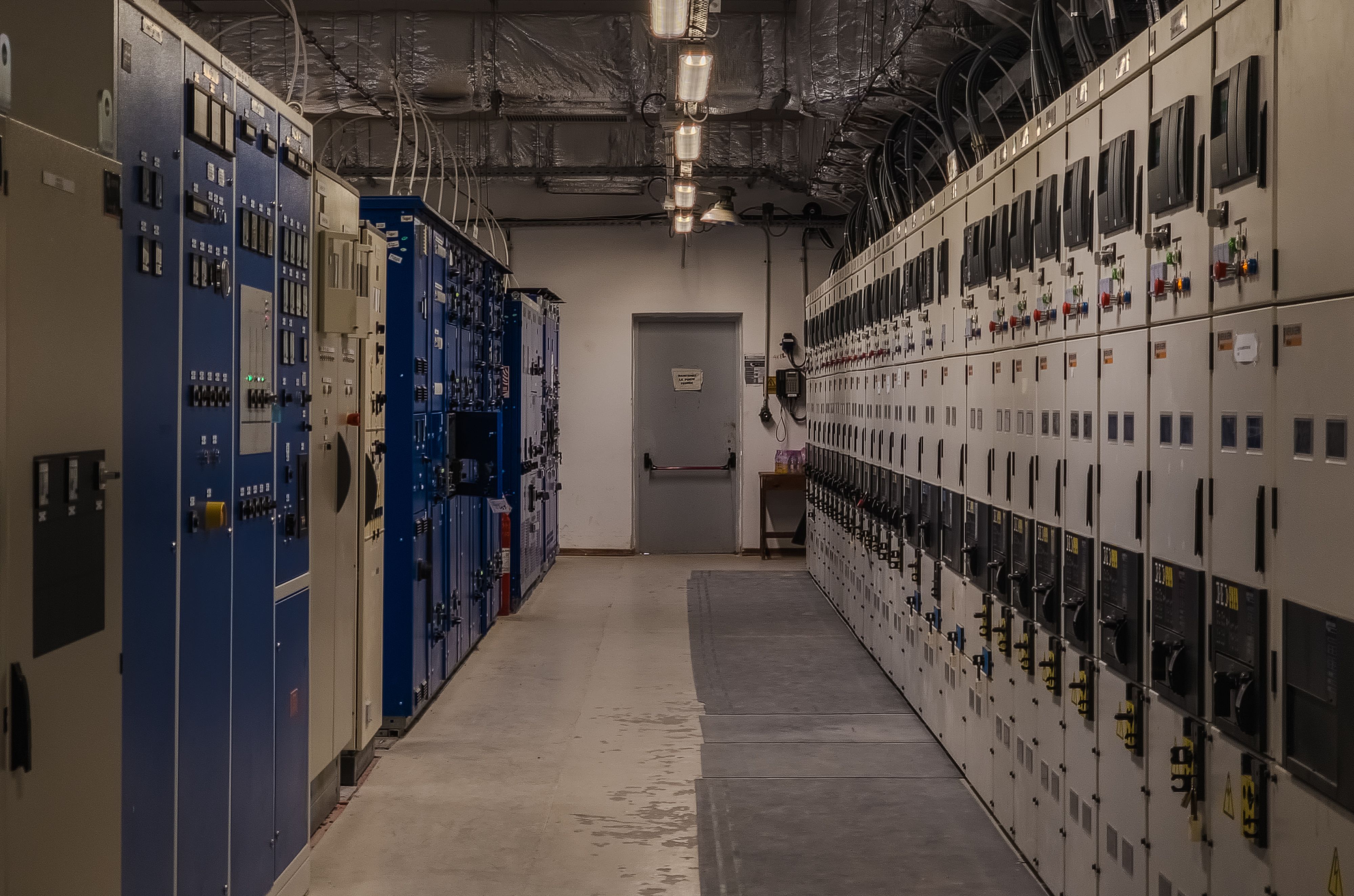
EPA Says Some Data Center Power Plants May Be Exempt From Federal Pollution Rules
The U.S. Environmental Protection Agency (EPA) has issued new guidance stating that certain power plants built exclusively to supply electricity to data centers may not be subject to key federal air pollution regulations if they operate independently of the public power grid.
The clarification is intended to accelerate the expansion of artificial intelligence (AI) infrastructure while reducing pressure on regional electricity networks.
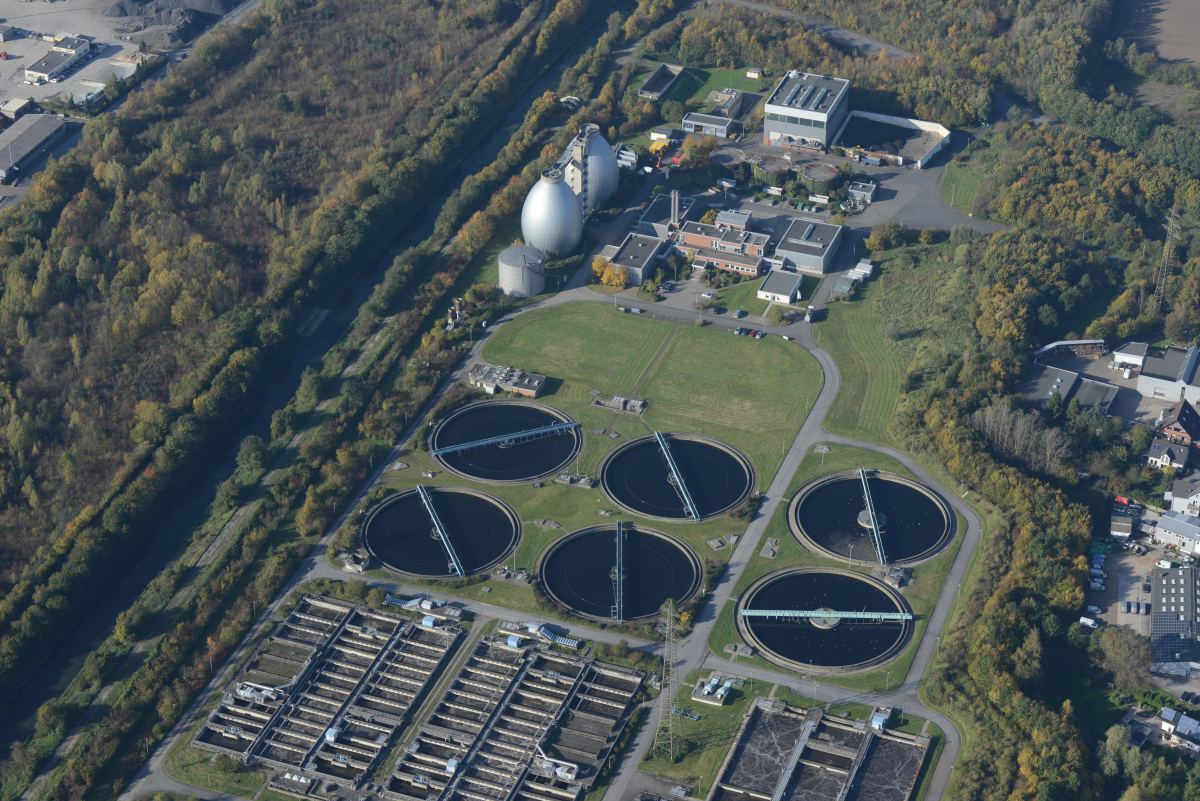
EPA Clarifies Rules for Independent Power Facilities
According to the EPA, power generation facilities that operate separately from the national electricity grid—often referred to as "islanded" power plants—may not fall under the Clean Air Act's Acid Rain Program.
The agency said the interpretation is based on the language of existing federal law, concluding that the program applies only to facilities connected to the broader electricity grid.
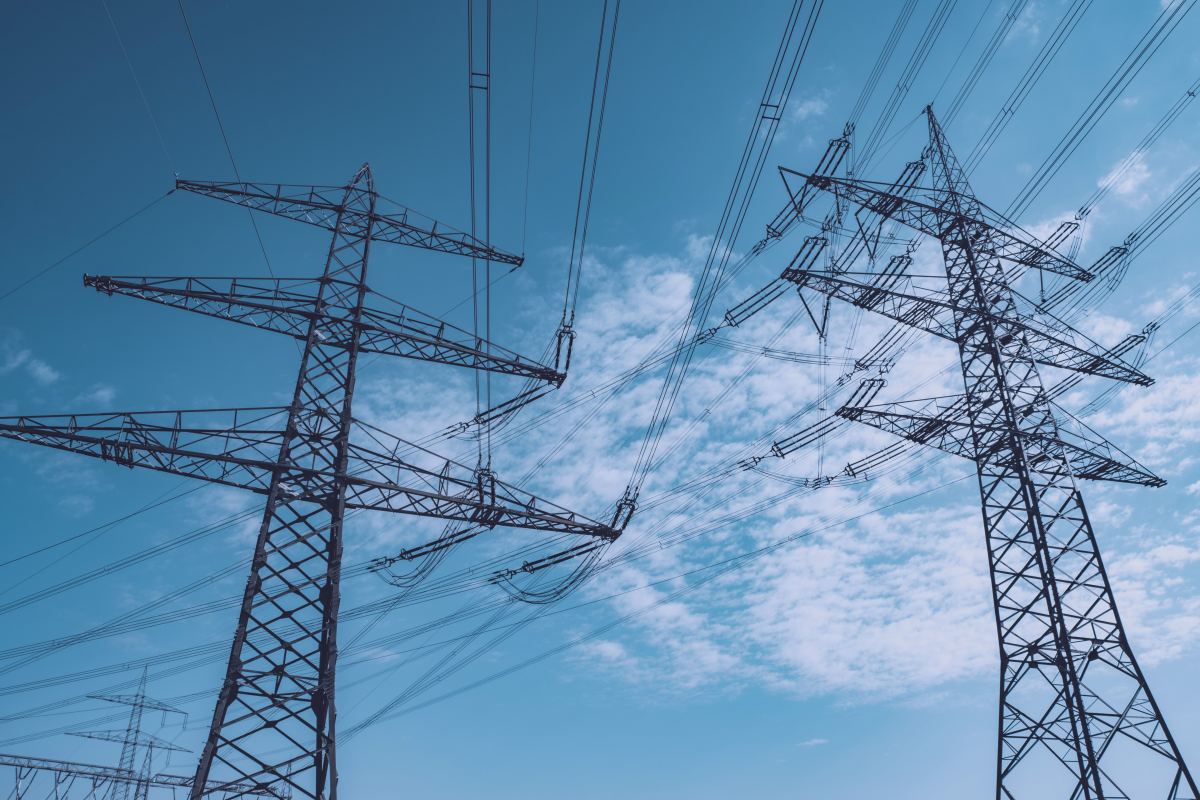
Officials believe the guidance provides greater regulatory certainty for companies planning dedicated energy systems for large-scale AI data centers.
AI Growth Driving Electricity Demand
The announcement comes as rapid growth in artificial intelligence and cloud computing continues to increase electricity demand across the United States.
Technology companies are investing billions of dollars in new AI data centers, prompting developers to explore dedicated power sources that can operate independently from public utilities.
The EPA said the updated interpretation could allow these projects to be developed more quickly while easing demand on existing grid infrastructure.
Support for Trump's Energy Policy
The agency said the guidance aligns with President Donald Trump's expanded Ratepayer Protection Pledge, which encourages companies building large facilities to secure or finance their own energy needs rather than relying on electricity supplied to residential consumers.
Under the voluntary initiative, developers, utilities, and state regulators are expected to bear the costs associated with new infrastructure instead of passing them on to households.
Industry Could Gain More Flexibility
By clarifying how federal pollution regulations apply to independent power facilities, the EPA said developers may have greater flexibility in selecting locations and timelines for future AI infrastructure projects.
Supporters argue the approach could speed construction of new data centers needed to support America's growing AI industry while reducing strain on public electricity systems.
However, the guidance is expected to attract attention from environmental groups and policymakers as debate continues over balancing rapid AI expansion with environmental protections.
Outlook
As investment in AI infrastructure accelerates, federal agencies are increasingly adapting energy and environmental policies to address rising electricity demand.
The EPA's latest guidance could play an important role in shaping how future data centers are powered, while broader discussions over emissions standards and energy policy are likely to continue.