Alberta Intensifies Push to Become Global AI Data Center Hub
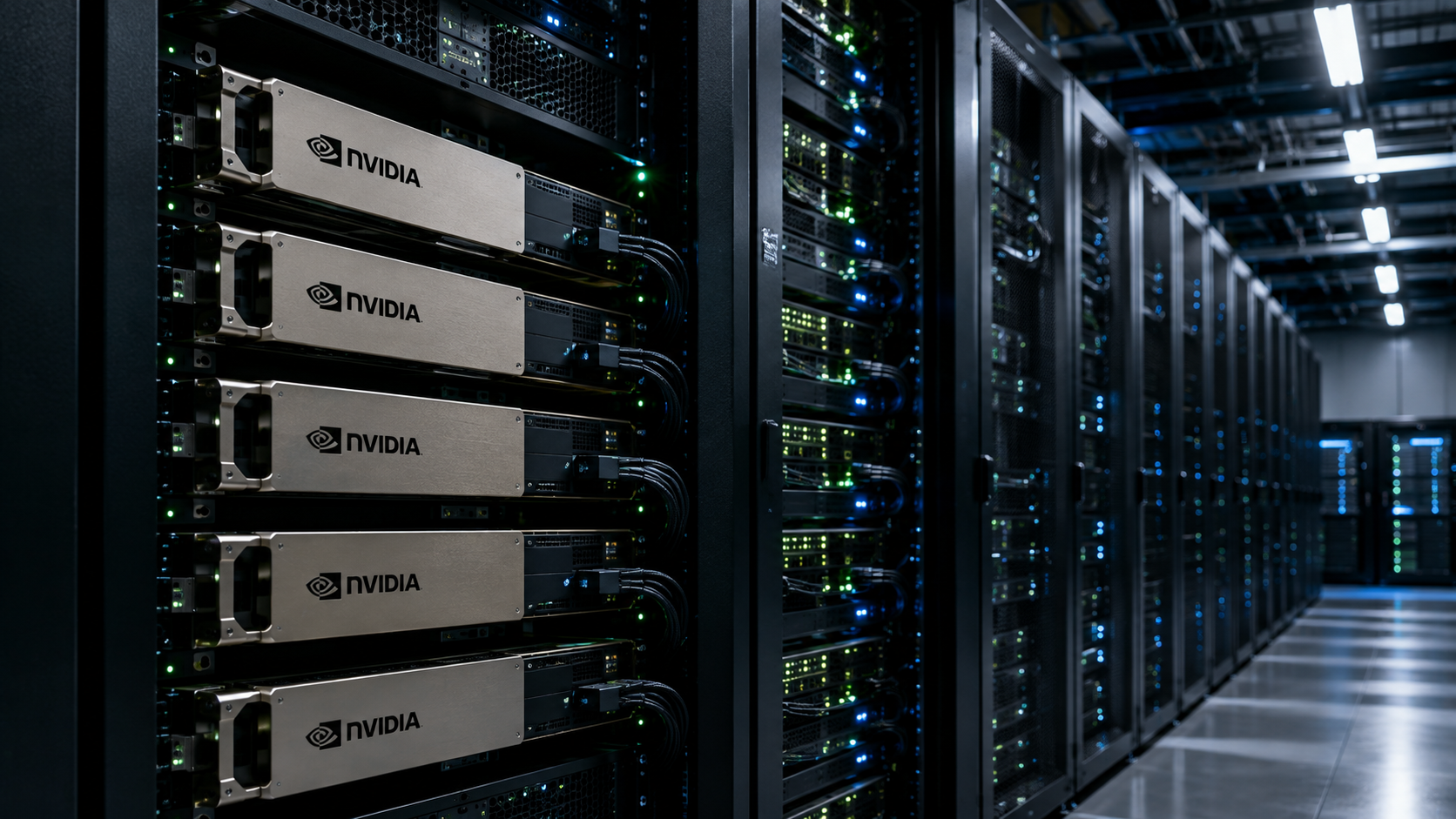
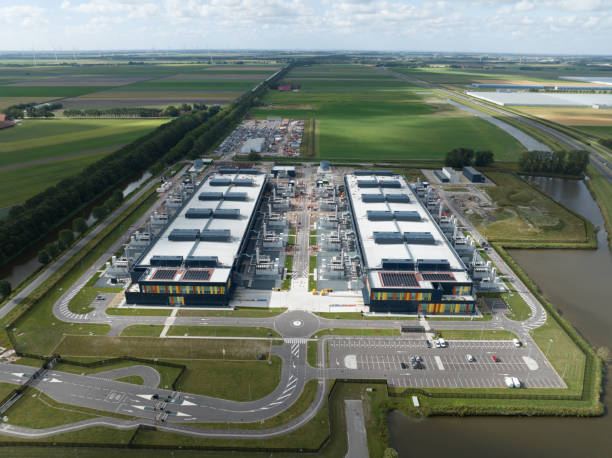
Alberta is accelerating its efforts to establish itself as a leading destination for artificial intelligence (AI) data centers, with the provincial government aiming to attract up to $100 billion in investment by 2030. The strategy focuses on leveraging Alberta's abundant energy resources, competitive electricity market, and streamlined approval process to attract major technology companies seeking large-scale AI infrastructure.
The province believes its combination of affordable power, available land, and business-friendly policies will position Alberta as one of North America's most attractive locations for next-generation data centers.
Energy Strategy at the Core of AI Expansion
A key part of Alberta's plan is its "bring your own power" model, which allows developers to build dedicated power generation alongside new AI facilities. By relying on Alberta's deregulated electricity market and extensive natural gas reserves, companies can reduce dependence on the provincial grid, which is currently experiencing delays in connecting large industrial projects.
Officials say this approach offers greater flexibility for investors while helping accelerate the development of energy-intensive AI infrastructure.
Major Infrastructure Projects Underway
Several large-scale projects are already supporting Alberta's ambitions.
One of the most significant developments is the Greenlight Electricity Centre in Sturgeon County, a proposed $4.6 billion natural gas-fired power facility expected to generate up to 932 megawatts (MW) of electricity for a nearby AI-focused data center. Industry reports have linked the project to Meta, although no official confirmation has been announced.
In addition, partnerships involving Technologies New Energy (TNE) and Data District are working to develop more than 1 gigawatt (GW) of AI-ready infrastructure, further strengthening Alberta's position in the rapidly expanding AI industry.
Managing Growing Demand on the Power Grid
The rapid increase in proposed AI projects has created new challenges for Alberta's electricity system.
The Alberta Electric System Operator (AESO) has received transmission connection requests exceeding 16 GW, prompting the organization to introduce temporary measures aimed at maintaining grid reliability while evaluating new projects.
These steps are intended to balance infrastructure expansion with the stability of Alberta's electricity network as demand from AI facilities continues to rise.
Environmental and Community Concerns
While the investment potential has generated significant interest, several environmental organizations and Indigenous communities have expressed concerns about the long-term impact of large-scale AI infrastructure.
Key issues include increased water consumption, greenhouse gas emissions from natural gas-powered facilities, and additional drilling required to meet future energy demand. Projects such as the proposed Wonder Valley development and the Cree Ative facility have become central to discussions surrounding sustainable development and environmental responsibility.
Balancing Growth with Sustainability
Industry analysts believe Alberta has a significant opportunity to become a major AI infrastructure hub, but they also emphasize the importance of responsible planning.
Experts recommend stronger coordination between provincial and municipal governments, clearer investment policies, and comprehensive economic impact assessments to ensure future infrastructure can support projected demand, including scenarios where AI-related electricity requirements could reach 6.8 GW over the coming years.
Outlook
As global demand for AI computing capacity continues to grow, Alberta is positioning itself as a competitive destination for large-scale data center investment. Success will depend not only on attracting technology companies but also on balancing economic growth with environmental stewardship, infrastructure readiness, and long-term energy sustainability.