U.S. Safety Agency Declines Tesla Model 3 Door Release Defect Investigation
The U.S. National Highway Traffic Safety Administration (NHTSA) has rejected a petition seeking a defect investigation into the emergency mechanical door release system on certain Tesla Model 3 vehicles. Instead of opening a formal probe, the agency said the issue is better addressed through the federal rulemaking process that could lead to new vehicle safety standards.
The decision affects approximately 180,000 model-year 2022 Tesla Model 3 vehicles and comes amid ongoing scrutiny of emergency exit systems in electric vehicles following several high-profile crashes.
NHTSA Finds No Basis for a Defect Investigation
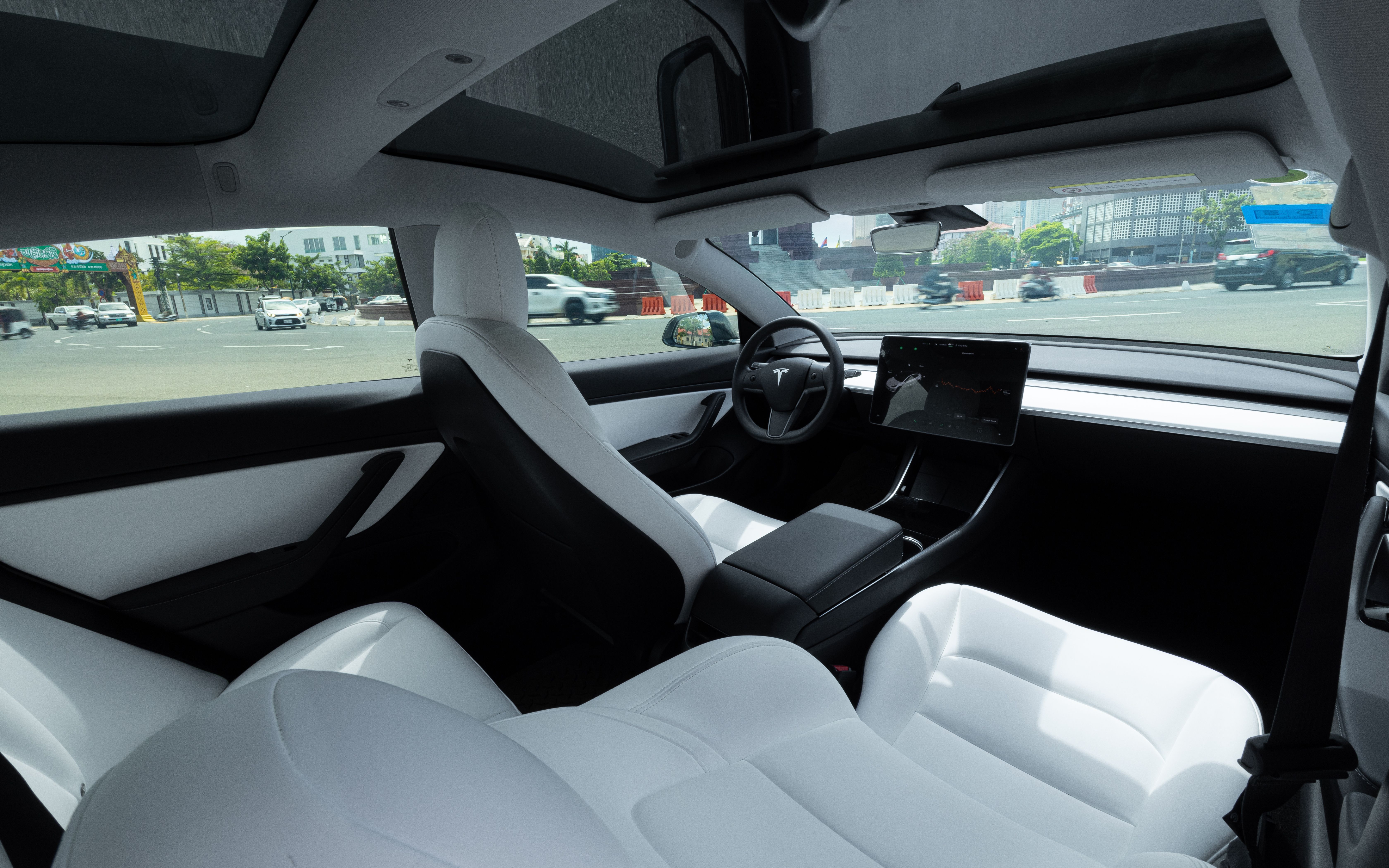
The petition alleged that the manual emergency door release inside affected Tesla Model 3 vehicles could be difficult to locate after a crash if the vehicle lost electrical power.
According to the filing, occupants could face a greater risk of becoming trapped if they were unable to find or operate the mechanical release during an emergency.
After reviewing the request, NHTSA concluded that the petition did not provide sufficient evidence of a likely safety-related defect that would justify launching a formal investigation.
Agency Shifts Focus to Future Safety Rules
Rather than pursuing an enforcement action against Tesla, NHTSA said the concerns raised are more appropriately handled through the regulatory process.
The agency has already granted a separate petition to evaluate whether new federal safety standards should require emergency door egress systems that remain accessible during electrical power failures.
As part of that process, NHTSA plans to gather additional technical data and seek public comments before determining whether new regulations are necessary.
Current Regulations Leave a Gap
Federal motor vehicle safety standards currently govern door locks and latches but do not specifically regulate the location or labeling of emergency mechanical door releases.
The absence of clear national requirements has prompted calls from safety advocates for updated standards as electric vehicles become more common.
Any new rulemaking could establish uniform requirements for manufacturers across the automotive industry rather than focusing on a single vehicle model.
Tesla Door Systems Have Drawn Previous Attention
Tesla's electronically operated door handles have faced scrutiny following several crashes in which occupants reportedly experienced difficulty exiting vehicles after electrical power was lost.
According to NHTSA, the petition referenced a single consumer complaint involving a 2022 Tesla Model 3 in which the mechanical door release was allegedly concealed and unlabeled following a front-impact crash.
Tesla did not immediately comment on the agency's decision.
What's Next
NHTSA will continue evaluating whether new federal safety standards governing emergency door egress systems are needed. The agency's rulemaking process could eventually result in new regulations covering emergency mechanical door releases across future vehicle models, although such regulatory efforts typically take several years.
FAQ
Why did NHTSA reject the petition?
The agency said the petition did not present sufficient evidence of a likely safety-related defect requiring a formal defect investigation.
Which Tesla vehicles were involved?
The petition covered approximately 180,000 model-year 2022 Tesla Model 3 vehicles.
What was the safety concern?
The petition alleged that the emergency mechanical door release could be difficult to locate after a crash if the vehicle lost electrical power, potentially making it harder for occupants to exit.
Is NHTSA considering new safety regulations?
Yes. The agency is evaluating whether new federal rules should require emergency door egress systems designed to reduce the risk of occupants becoming trapped during power failures.
Did Tesla respond?
According to the report, Tesla did not immediately respond to requests for comment following NHTSA's decision.