Maruti Suzuki Faces New Challenge as Indian Car Buyers Embrace Premium Features
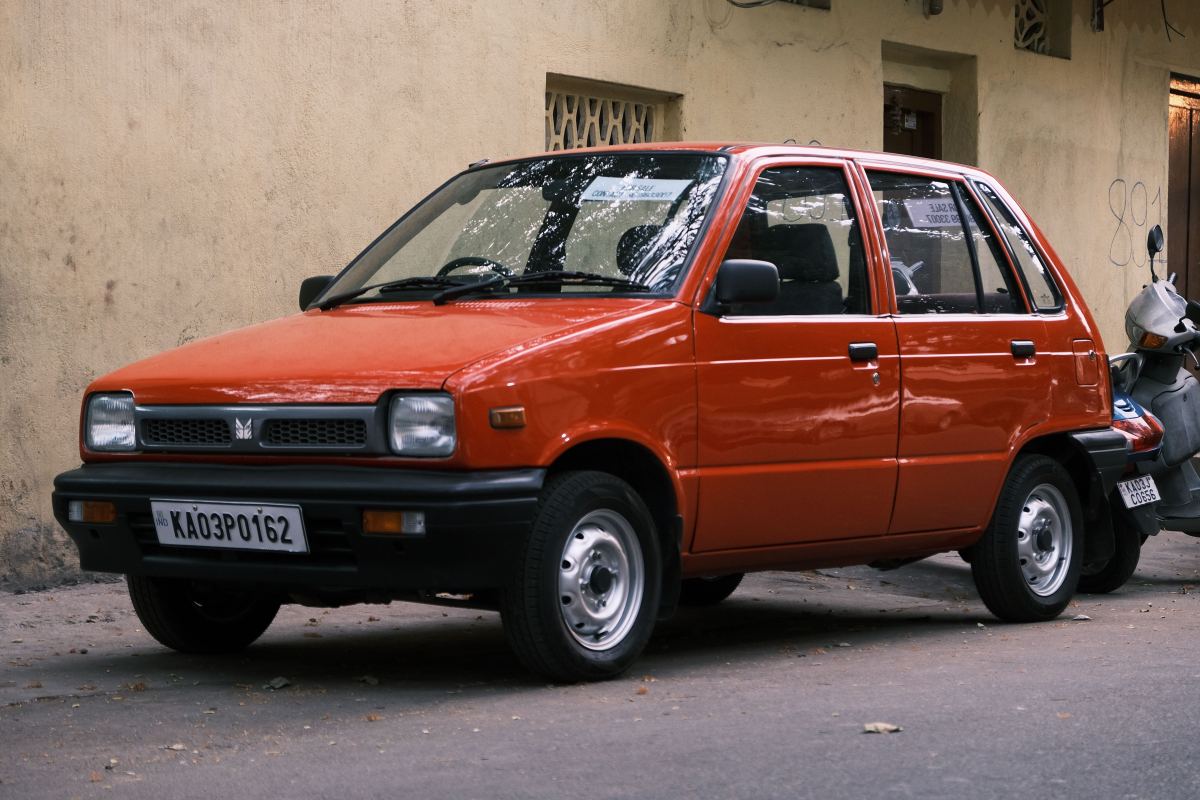
For decades, Maruti Suzuki built its reputation on offering reliable, fuel-efficient, and affordable cars that helped motorize millions of Indian households. Models such as the Maruti 800, Alto, and WagonR became household names, turning the company into the undisputed leader of India's passenger vehicle market.
Today, however, India's largest automaker is confronting a new reality. As incomes rise and consumer preferences evolve, buyers are increasingly prioritizing premium features, modern technology, and SUVs over low ownership costs alone. The shift has gradually reduced Maruti Suzuki's dominance, forcing the company to rethink a strategy that served it successfully for more than four decades.

Rising Incomes Are Reshaping India's Auto Market
India's rapidly growing economy has transformed expectations among car buyers. Vehicles are no longer viewed solely as affordable transportation but also as lifestyle products that reflect personal success and comfort.
Features once considered luxury additions—such as panoramic sunroofs, large touchscreen infotainment systems, connected car technology, premium interiors, and advanced driver assistance systems (ADAS)—have become major selling points, particularly among younger customers purchasing their first SUV.
This changing demand has benefited manufacturers that invested early in feature-rich vehicles, allowing them to gain market share in one of the world's fastest-growing automotive markets.
Maruti Suzuki's Cost-First Strategy Faces Pressure
Maruti Suzuki's long-standing philosophy centered on affordability, fuel efficiency, and low maintenance costs. That formula enabled the company to dominate India's passenger vehicle industry for decades.
However, as competitors introduced increasingly sophisticated models with premium features, Maruti was slower to adapt. The company's conservative product strategy meant several technologies that buyers now expect—including factory-fitted sunroofs and advanced safety systems—arrived later than those offered by rival brands.
While the company maintained strong financial performance, its share of India's passenger vehicle market gradually declined as consumer preferences shifted toward SUVs and technology-focused models.
Tata Motors and Mahindra Capitalize on Consumer Trends
Domestic automakers Tata Motors and Mahindra & Mahindra have emerged as significant beneficiaries of India's evolving automotive landscape.
Both companies expanded their SUV portfolios with vehicles featuring modern styling, connected technology, larger infotainment displays, premium cabins, and advanced safety equipment. These offerings resonated with buyers seeking vehicles that combine practicality with aspirational design.
As SUVs continue gaining popularity across urban and semi-urban markets, competition has intensified in segments where Maruti Suzuki traditionally held a commanding position.
Younger Buyers Want More Than Affordability
Industry analysts note that today's typical new-car buyer is considerably younger than in many developed markets, making design, technology, and driving experience increasingly important purchase considerations.
Many consumers are now willing to pay more for vehicles offering features that enhance comfort, convenience, and safety rather than selecting the lowest-priced option available.
This shift presents a branding challenge for Maruti Suzuki, which continues to enjoy a strong reputation for reliability but must also appeal to customers seeking modern styling and premium experiences.
Maruti Suzuki Accelerates Its Product Strategy
Recognizing changing market dynamics, Maruti Suzuki has begun expanding its portfolio beyond compact hatchbacks.
The automaker has increased investment in research and development, expanded engineering capabilities in India, and shortened product development timelines to respond more quickly to local market demand.
Recent vehicle launches feature larger infotainment displays, improved interiors, sunroofs, and advanced driver assistance technologies. The company has also announced plans to strengthen its SUV lineup over the coming years as it seeks to compete more effectively in India's fastest-growing vehicle segment.
Alongside new product development, Maruti Suzuki continues investing in manufacturing capacity and localization, positioning India as a key production hub for both domestic sales and exports.
Can Maruti Suzuki Win Back Premium Buyers?
Despite its declining market share, Maruti Suzuki remains India's largest passenger vehicle manufacturer and continues to generate strong revenue and profits.
The company's extensive dealer network, trusted after-sales service, and reputation for affordability remain significant competitive advantages.
The next challenge will be convincing buyers that Maruti Suzuki can deliver not only value but also the premium features, technology, and design increasingly expected by today's consumers.
As India's automobile market continues evolving, success will depend on balancing the brand's traditional strengths with innovation that appeals to a new generation of drivers. Whether Maruti Suzuki can successfully reinvent itself without losing its identity may determine how the company competes during the next decade of India's automotive growth.