Electric Cars Become More Affordable in Germany Despite Rising Average Prices
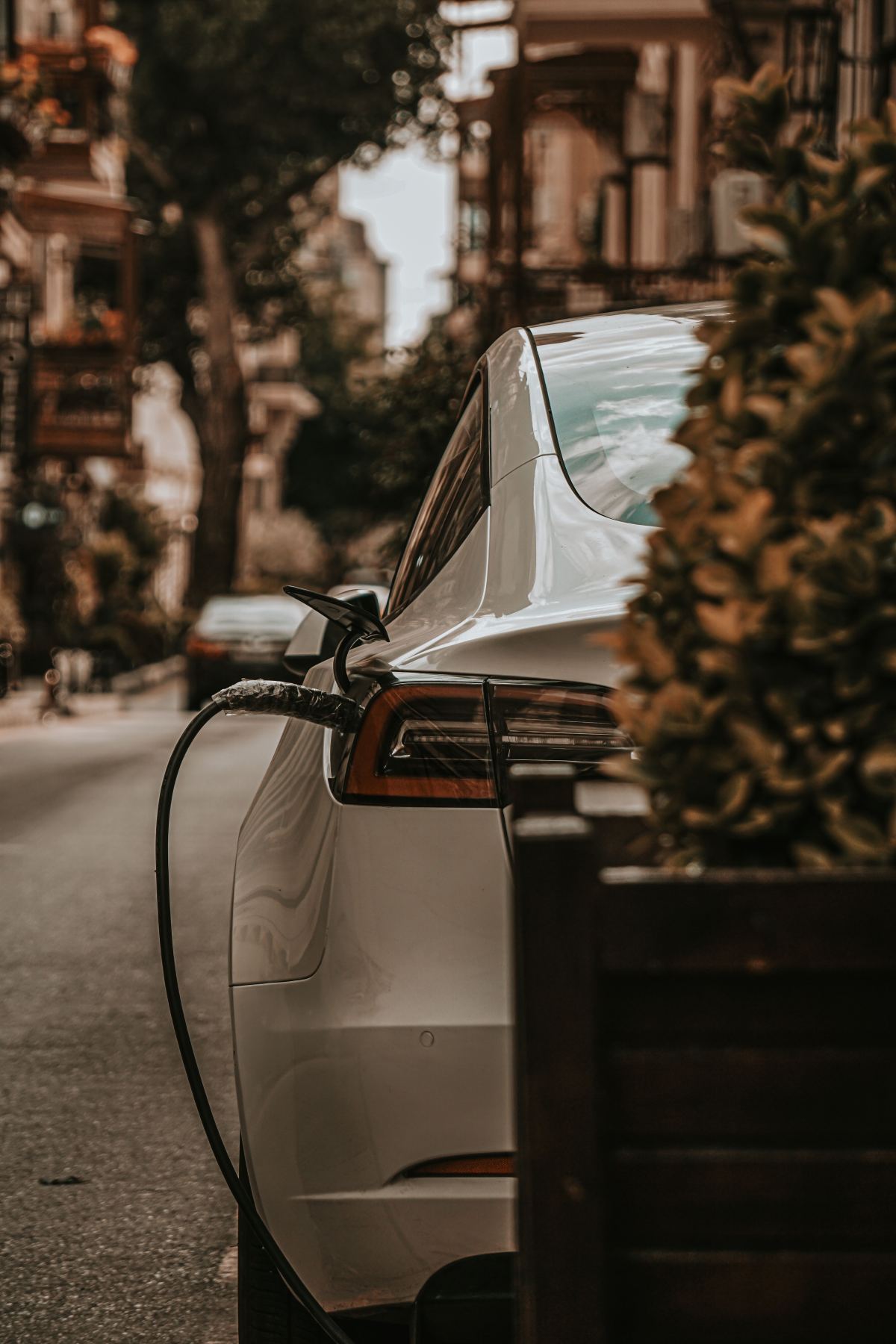
Battery electric vehicles (BEVs) have become more affordable for German consumers over the past five years, even though the average sticker price of electric cars has continued to rise. The trend reflects significant changes in the country's automotive market, where manufacturers are introducing a wider range of premium electric models while simultaneously reducing the cost of comparable vehicles.
According to research from the International Council on Clean Transportation (ICCT) and Fraunhofer ISI, inflation-adjusted prices for comparable battery electric vehicle models declined substantially between 2020 and 2025. At the same time, the average listed price increased because automakers expanded their lineups with larger, longer-range, and better-equipped electric vehicles.
More Choices Drive Market Evolution
Germany's electric vehicle market has grown rapidly over the past five years, giving consumers significantly more options than were previously available.
The number of battery electric models available has more than quadrupled, providing buyers with vehicles across multiple price ranges and market segments. Meanwhile, the number of internal combustion engine (ICE) models has gradually declined as manufacturers continue shifting investment toward electric mobility.
This broader selection has allowed buyers to choose vehicles that better match their budgets and driving needs, contributing to increased competition among automakers.
Comparable Electric Cars Cost Less Than Before
While average prices have climbed, researchers found that electric vehicles with similar specifications—including size, performance, and equipment—have actually become considerably less expensive after adjusting for inflation.

Several factors have contributed to this decline, including improvements in manufacturing efficiency, economies of scale, and lower battery production costs.
Global battery prices have dropped significantly during the period, helping manufacturers reduce production expenses. However, rather than passing all of those savings directly to consumers, many automakers have invested in improving vehicle quality, performance, and driving range.
Buyers Receive Better Technology for Their Money
One of the biggest improvements in modern electric vehicles has been driving range.
Compared with models available in 2020, today's battery-powered cars can typically travel much farther on a single charge, reducing range anxiety for many consumers.
Manufacturers have also introduced upgraded infotainment systems, enhanced safety technologies, faster charging capabilities, and improved cabin comfort, making electric vehicles more competitive with conventional gasoline and diesel models.
These enhancements mean buyers are often receiving substantially more value even when paying similar or slightly higher prices.
Premium Models Push Up Average Prices
Although individual electric vehicles have become more affordable on a like-for-like basis, the overall average price has increased because manufacturers are selling more premium vehicles.
Larger SUVs, luxury sedans, and high-performance electric models now account for a greater share of the market than they did five years ago. These vehicles naturally command higher prices, raising the average transaction value across the industry.
As a result, headline price increases do not necessarily indicate that entry-level or mid-range electric vehicles have become less accessible.
Germany's EV Market Continues to Mature
Germany remains one of Europe's largest electric vehicle markets and continues to play a central role in the region's transition toward cleaner transportation.
Automakers are investing heavily in battery technology, software development, and dedicated electric platforms while governments and industry continue expanding charging infrastructure.
As competition intensifies and technology advances, analysts expect manufacturers to introduce even more affordable electric models in the coming years without sacrificing performance or features.
The latest market trends suggest that consumers now have access to a wider selection of electric vehicles that offer longer driving ranges, improved technology, and stronger overall value. While premium models continue to lift average prices, the underlying cost of comparable battery electric vehicles is moving in a more affordable direction, supporting the long-term adoption of electric mobility in Germany.