
US World Cup Exit Renews Calls to Reform Youth Soccer Development
The United States' early elimination from the FIFA World Cup has reignited a long-running conversation about whether the country's youth soccer system is producing enough elite talent to compete consistently with the world's leading football nations.
While disappointment over the national team's performance dominated headlines, many coaches, former players and sports officials argue that the bigger issue lies far from the World Cup stage. They believe structural problems within youth development, rising participation costs and fragmented training pathways continue to limit the country's football potential.

With another World Cup cycle already underway, pressure is mounting for meaningful reform.
The Debate Goes Beyond One Tournament
Although World Cup results often trigger public criticism, many experts say the challenges facing American soccer have been building for years.

The United States has invested heavily in professional leagues, infrastructure and coaching, yet the men's national team has struggled to consistently match football powers that rely on deeply established youth development systems.
Officials within U.S. Soccer have acknowledged that creating a stronger pathway from grassroots football to the national team remains a long-term priority.
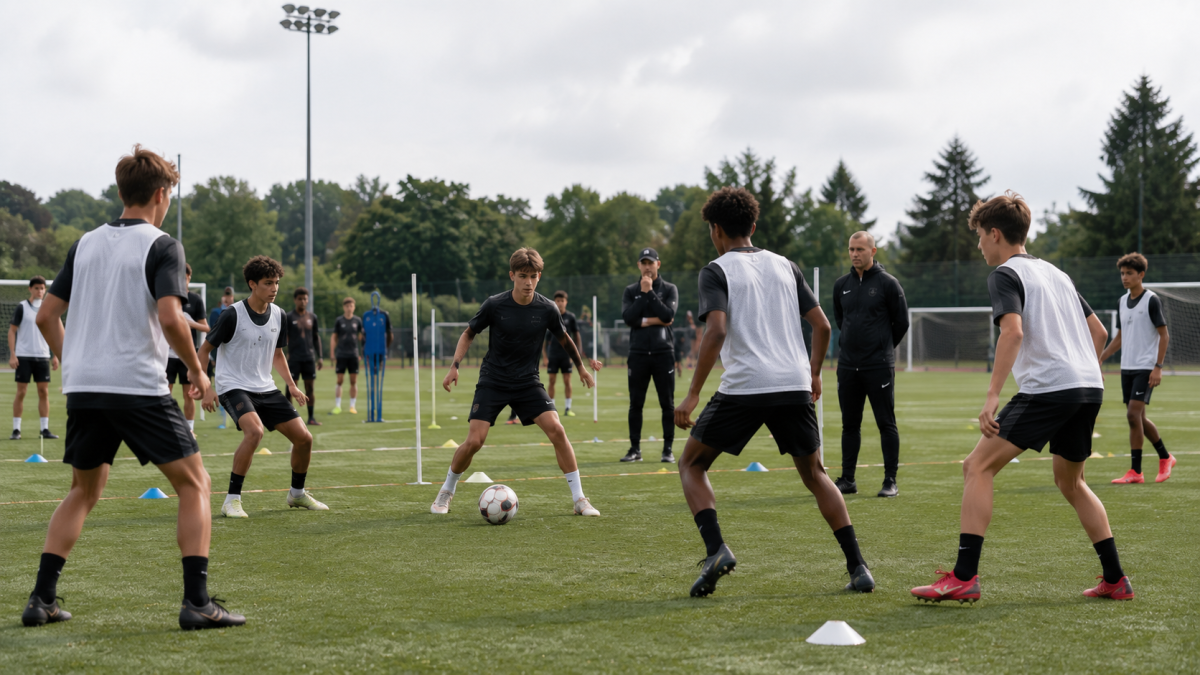
Recent investments in centralized training facilities and youth academies are intended to improve player identification and development nationwide.
Rising Costs Continue to Limit Opportunities
One of the most widely discussed issues is the cost of youth soccer in the United States.
Many competitive clubs require families to cover registration fees, travel expenses, coaching costs and tournament participation, creating financial barriers that can prevent talented players from progressing.
Critics argue that the existing pay-to-play structure reduces opportunities for children from lower-income backgrounds and narrows the national talent pool.

Supporters of reform believe expanding affordable community-based football programs would allow more young athletes to participate regardless of family income.
Learning From Successful Football Nations
Countries with consistently successful national teams often rely on structured youth academies, nationwide scouting networks and affordable grassroots participation.
Some sports development experts point to European football systems where young players receive professional coaching at earlier ages while maintaining broad access to community football.
Rather than emphasizing expensive elite competitions during childhood, several countries prioritize technical development, long-term coaching and widespread participation.
Those models are increasingly being studied as U.S. Soccer evaluates future development strategies.
New Investment Signals Long-Term Commitment
U.S. Soccer has recently expanded investment in training infrastructure aimed at strengthening player development across multiple age groups.
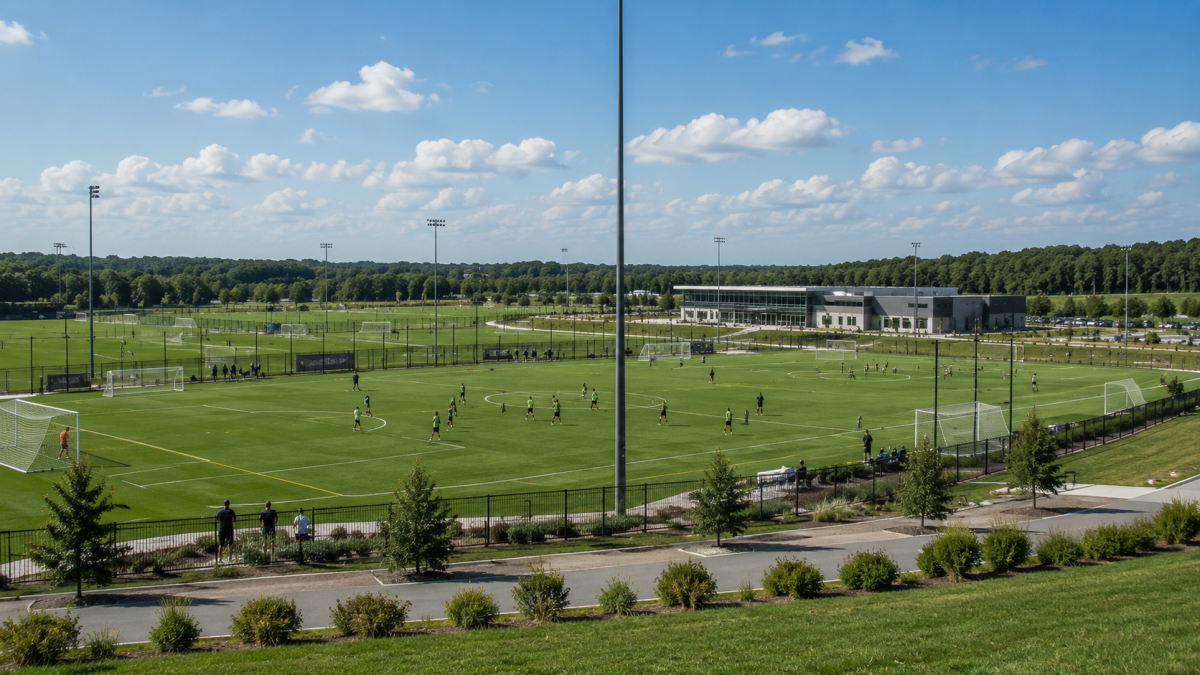
The federation's new national training center is expected to host elite youth programs while bringing together coaches, development staff and national teams under one system.
Officials believe greater coordination between academies, local clubs and national development programs could improve player progression over time.
Additional initiatives are also being introduced to increase access to football facilities in underserved communities.
Can American Soccer Close the Gap?
Improving youth development will require more than new facilities alone.
Experts say expanding participation, reducing financial barriers, improving coaching standards and strengthening local football culture are equally important.
The objective is not simply producing better professional players but creating an environment where more children can enjoy football while giving exceptional talent every opportunity to succeed.
As global competition continues to intensify, many believe reforms introduced over the coming years could determine how competitive the United States becomes at future World Cups.
Conclusion
The United States' World Cup exit has once again highlighted deeper questions about the country's football development system. While immediate results often dominate public discussion, long-term investment in youth participation, coaching and accessibility may ultimately have a greater impact on the future of American soccer than any single tournament performance.
Frequently Asked Questions (FAQ)
Why is the US youth soccer system being criticized?
Many experts believe high participation costs and fragmented development pathways make it harder to identify and develop talented young footballers.
What is the pay-to-play model?
It refers to youth sports programs where families pay significant fees for training, coaching and competitions, potentially limiting access for lower-income players.
What changes are being proposed?
Suggested reforms include reducing participation costs, expanding community football, strengthening youth academies and improving nationwide player development systems.
Is U.S. Soccer investing in youth development?
Yes. The federation has announced new investments in national training facilities and grassroots football initiatives designed to improve player development.
Why does youth development matter?
Strong youth systems help produce technically skilled players capable of competing consistently at the highest international level.