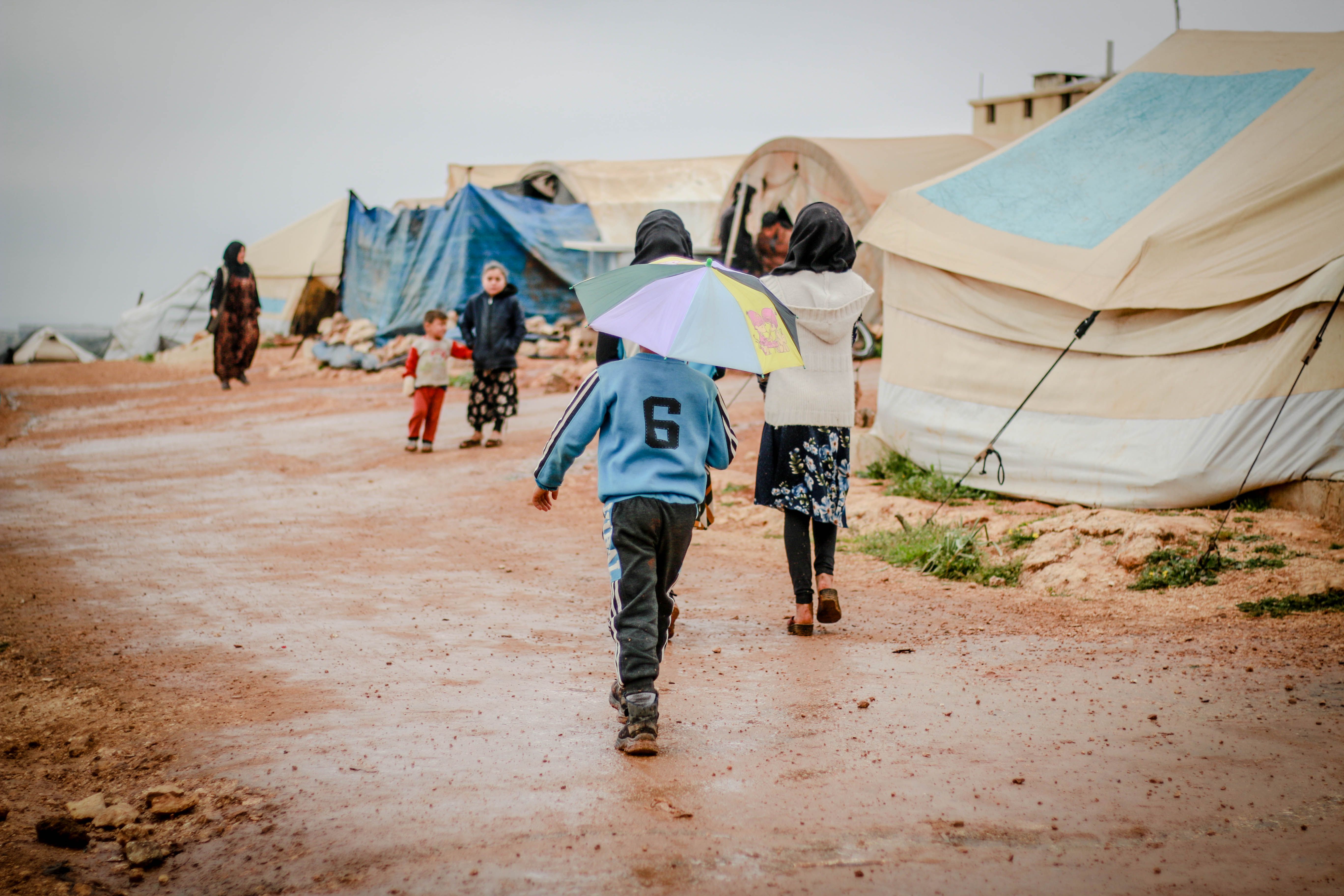
Spain Continues Ceuta Response as Thousands of Migrants Remain in North African Enclave
Spanish authorities are continuing emergency operations in Ceuta after one of the largest recent migrant crossings at the Spain-Morocco border, with an estimated 3,000 to 5,000 migrants still in the enclave while thousands more have already been returned to Morocco.
The immediate border surge has subsided, but officials are now confronting the longer-term humanitarian, legal, and security challenges that follow a large-scale migration event. Reception facilities remain under significant pressure, unaccompanied minors require special legal protection, and European leaders are preparing to discuss the crisis at the regional level.

The situation illustrates that the consequences of a mass border crossing extend well beyond the initial arrival of migrants, requiring coordinated efforts involving humanitarian agencies, border authorities, courts, and international partners.
Quick Facts
- Between 3,000 and 5,000 migrants remain in Ceuta, according to local officials.
- Approximately 69,500 migrants have been returned to Morocco over the past four days.
- The initial border surge involved an estimated 50,000 crossings.
- Authorities are caring for 862 unaccompanied migrant minors.
- Reception centers for both adults and children have exceeded capacity.
- The confirmed death toll stands at 72 on the Spanish side and 11 on the Moroccan side.
What Is the Current Situation in Ceuta?
Although Spanish authorities have carried out large-scale repatriation efforts, thousands of migrants continue to remain inside Ceuta.
Many migrants told authorities they had been unable to continue their journey toward mainland Spain because of food shortages, limited transportation options, and hostility from some local residents.
Hundreds of people have also been sheltering on El Trampolín Beach, where security forces continue to monitor conditions.
Officials say humanitarian support remains a priority as emergency accommodation facilities struggle to keep pace with demand.
Why Are Reception Centers Under Pressure?
The large number of arrivals has placed exceptional strain on Ceuta's reception system.
Local authorities report that facilities designed for both adult migrants and children are operating beyond their intended capacity.
One of the most significant challenges involves caring for 862 unaccompanied migrant minors, who receive additional legal protections under Spanish law.
Because these children cannot simply be processed in the same manner as adult migrants, authorities must provide accommodation, welfare services, legal representation, and child protection measures while determining appropriate long-term solutions.
What Happens After a Mass Border Crossing?
Direct Answer
After a large-scale border crossing, authorities must simultaneously address humanitarian assistance, identity verification, legal processing, asylum claims, security screening, and repatriation efforts. Unaccompanied minors are generally subject to additional legal protections that differ from procedures applied to adults.
The response typically unfolds in several stages:
- Emergency shelter and medical assistance.
- Registration and identity verification.
- Security and legal screening.
- Assessment of asylum or protection claims where applicable.
- Repatriation of individuals who do not qualify to remain under applicable legal procedures.
- Long-term care arrangements for unaccompanied children.
The process often requires coordination between local governments, national authorities, humanitarian organizations, judicial institutions, and international partners.
Spain and Morocco Continue Diplomatic Cooperation
Spanish officials said Morocco has cooperated in facilitating the rapid return of large numbers of migrants without attaching conditions.
At the same time, political debate continues over how the crisis developed.
Local leaders in Ceuta have questioned whether Morocco allowed the border surge to occur by gradually relaxing border controls.
Moroccan authorities reject that characterization, instead attributing the crossings to misinformation, human trafficking networks, and public misunderstanding surrounding a Spanish court ruling.
Despite those differing interpretations, both governments continue working together on ongoing border management operations.
Intelligence Questions Remain Under Review
The migration crisis has also prompted questions regarding intelligence assessments before the border surge.
Reports citing officials familiar with the matter indicate that Spanish intelligence services concluded Morocco did not actively organize the crossings but allowed them to happen after border controls were gradually eased.
Separately, questions have emerged over whether Spanish intelligence agencies provided sufficient warning before the large-scale movement of migrants.
Spanish officials have publicly minimized reports suggesting disagreements between government ministries regarding the handling of intelligence before the incident.
Investigations into those issues are expected to continue alongside broader reviews of the government's crisis response.
European Union Prepares Emergency Discussions
The developments in Ceuta have renewed calls for greater European cooperation on migration management.
Spain has asked European Union partners to provide additional support as authorities continue responding to the humanitarian and operational consequences of the border surge.
EU interior ministers are expected to hold an emergency meeting to discuss the situation and examine possible coordinated responses.
Migration remains one of the European Union's most complex policy challenges, particularly when sudden border movements create pressure on frontline regions such as Ceuta.
What Happens Next?
Spanish authorities are expected to continue repatriation efforts while providing humanitarian assistance to those still inside Ceuta.
Officials will also continue processing asylum requests where applicable and ensuring legal protections for unaccompanied minors.
At the European level, discussions among interior ministers could influence future cooperation on border management, emergency response mechanisms, and migration policy.
Investigations into the intelligence handling of the crisis are also likely to remain an important political issue in the coming weeks.
Why It Matters
The events in Ceuta demonstrate that managing a mass migration crisis extends far beyond securing a border. Governments must simultaneously address humanitarian needs, legal obligations, security concerns, diplomatic coordination, and long-term migration policy.
The outcome of Spain's response, together with discussions among European Union partners, could shape future approaches to migration management at one of Europe's most strategically significant external borders while influencing broader debates about humanitarian protection and regional security.