Spain Edge Argentina in Extra Time to Capture 2026 FIFA World Cup Title
Spain are world champions once again after a dramatic extra-time victory over Argentina in the 2026 FIFA World Cup final, reclaiming football's biggest prize in a tense contest that showcased defensive discipline more than attacking flair.
The championship match at MetLife Stadium in East Rutherford, New Jersey, remained deadlocked through regulation before substitute Ferran Torres delivered the decisive breakthrough in extra time. His late finish secured a 1-0 victory and ended Argentina's reign as world champions.
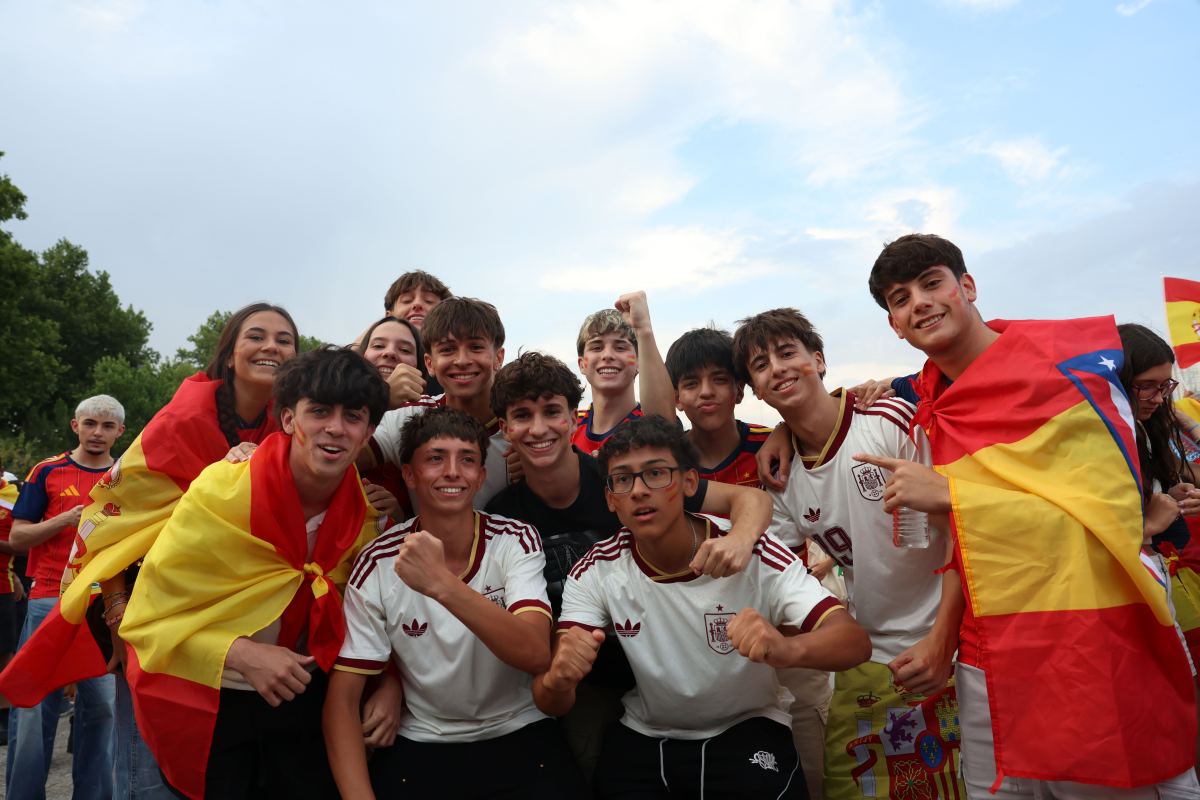
The result marks another milestone for Spain under head coach Luis de la Fuente, whose side has continued its remarkable rise following its UEFA Euro 2024 triumph.
Spain's Patience Finally Pays Off
From the opening whistle, Spain controlled possession and dictated much of the tempo. The European side consistently moved the ball through midfield, creating pressure around Argentina's penalty area while searching for an opening against a disciplined defense.
Although Spain generated numerous attacking opportunities, converting those chances proved difficult. Argentina's defensive organization forced Spain to recycle possession repeatedly, keeping the match scoreless despite sustained pressure.
The breakthrough finally arrived during extra time when Torres, introduced from the bench, capitalized on a rare opening to score what proved to be the tournament's championship-winning goal.
Argentina Struggle to Find an Attacking Rhythm
Argentina entered the final hoping to defend the title won four years earlier but found it difficult to establish sustained attacks against Spain's organized pressing system.
Lionel Messi, appearing in another World Cup final, was closely marked throughout the match and had limited opportunities to influence the game in dangerous areas. Spain's defensive shape successfully restricted Argentina's creative options and prevented the defending champions from building momentum.
While Argentina remained competitive throughout the contest, clear scoring chances were few as Spain maintained control for long stretches.
Tactical Battle Defines the Final
Rather than becoming an end-to-end spectacle, the final developed into a tactical contest between two well-drilled teams.
Spain emphasized patient buildup, possession, and structured pressing, while Argentina focused on defensive compactness and looking for opportunities in transition. The contrasting approaches produced a match filled with strategic adjustments but relatively few clear-cut chances.
As the game progressed, fresh legs from the Spanish bench helped increase the tempo, ultimately providing the energy that made the difference in extra time.
Tensions Rise After the Final Whistle
Emotions ran high after Spain secured victory, with players from both teams becoming involved in a brief confrontation following the final whistle. Match officials and team staff quickly intervened as celebrations and disappointment spilled onto the pitch.
Despite the heated ending, the focus soon shifted to Spain's achievement as players and coaching staff celebrated another major international title.
A New Chapter for Spanish Football
The victory further strengthens Spain's position among international football's elite and highlights the success of a squad blending experienced leaders with emerging young talent.
Under Luis de la Fuente, Spain have developed one of the most consistent teams in world football, combining technical quality with defensive discipline and tactical flexibility. Their latest triumph adds another World Cup trophy to the nation's football history and reinforces confidence ahead of future international competitions.
For Argentina, the defeat ends another memorable tournament run but leaves the team with a strong foundation built around experienced veterans and a new generation of talent. While the defending champions fell short of retaining the trophy, their journey to another World Cup final underlines their continued status as one of the sport's leading national teams.
Spain, meanwhile, leave the United States as world champions once again, completing another landmark achievement in one of the country's most successful eras in international football.