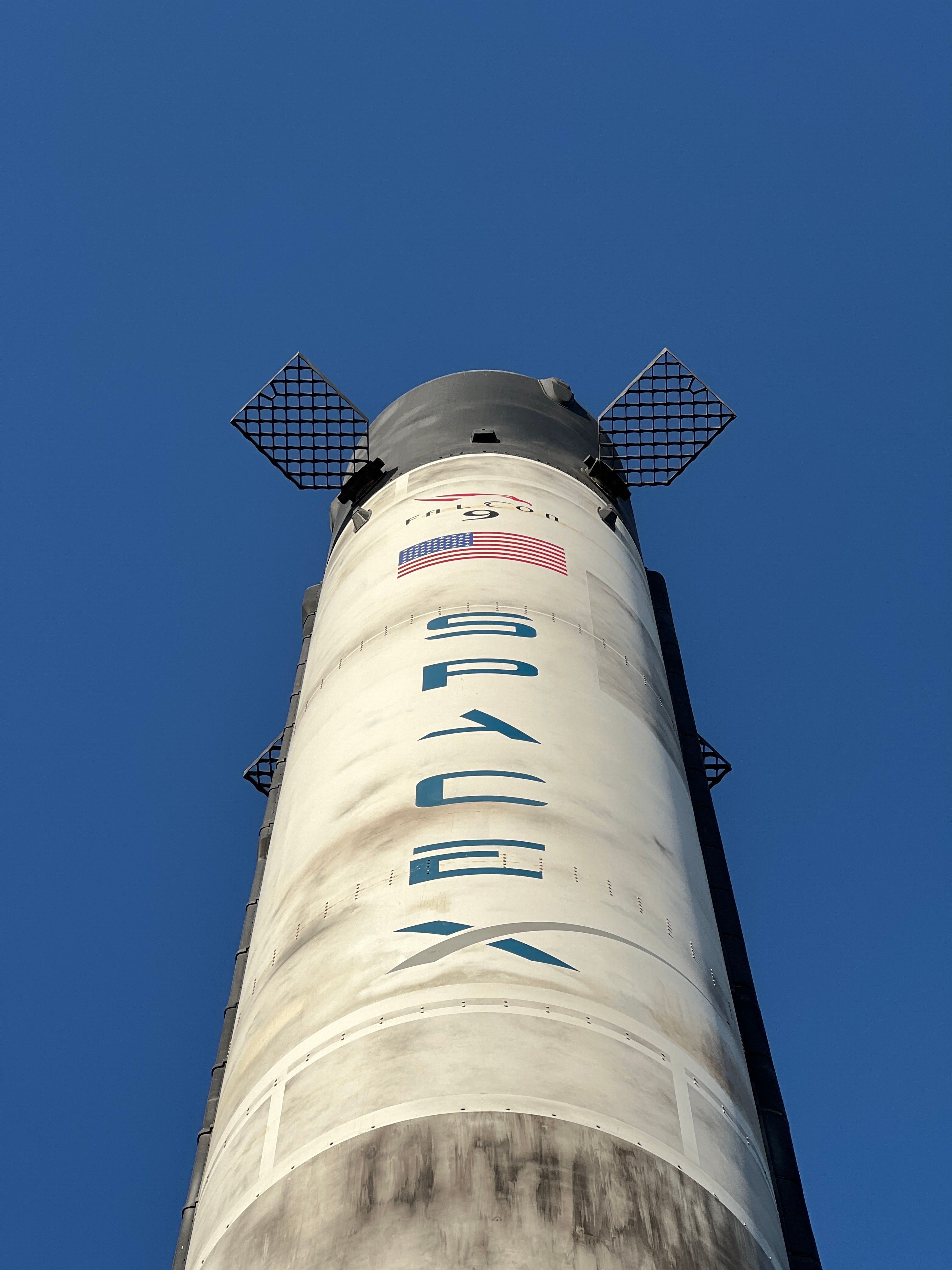
SpaceX Wins $1.6 Billion U.S. Space Force Contract for 18 Falcon 9 Launches
SpaceX has secured a $1.6 billion contract from the U.S. Space Force to conduct 18 Falcon 9 launches through 2027, further strengthening the company's position as the leading provider of military space launch services.
The missions will deploy Pentagon satellites designed to detect, track, and target airborne objects, supporting the United States' expanding national security and missile defense capabilities.
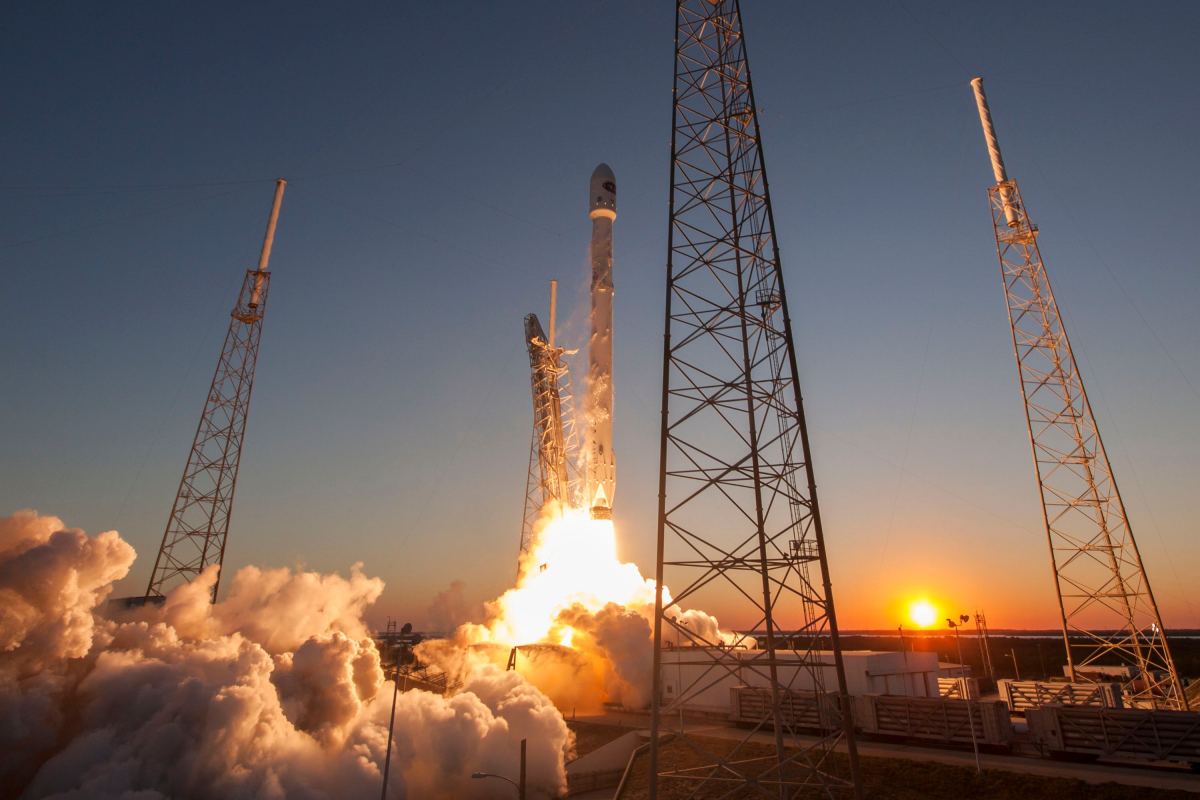
SpaceX Awarded 18 Falcon 9 Missions
The latest contract covers 18 launch missions assigned under the U.S. Space Force's flagship national security launch procurement program.
The Falcon 9 rockets will carry defense satellites into orbit over the next two years, contributing to military surveillance, missile tracking, and space-based communications.

The award is part of the Space Force's strategy to accelerate the acquisition of launch services from commercial providers.
Pentagon Spending on SpaceX Continues to Grow
The new contract adds to a series of major defense awards received by SpaceX this year.

Combined with earlier agreements, the company has now secured at least $7 billion in Pentagon-related contracts in 2026, reflecting the government's growing investment in advanced space infrastructure.
Several of those projects are linked to the Trump administration's proposed Golden Dome missile defense initiative, a long-term program designed to strengthen U.S. homeland missile protection through space-based technologies.

Fast-Tracked Procurement Process
Space Force officials said the contract was completed through an accelerated acquisition process lasting just two months.
The agency has been working to speed up procurement timelines in order to rapidly deploy new spacecraft and launch capabilities while responding to evolving national security requirements.
Officials say faster contracting also allows commercial space companies to begin mission planning and satellite deployment more efficiently.
Rivals Face Technical Challenges
While SpaceX continues to secure major government contracts, several competitors are dealing with technical setbacks.
United Launch Alliance (ULA) is continuing to investigate issues involving its Vulcan rocket following concerns related to its booster separation system.
Meanwhile, Blue Origin, owned by Jeff Bezos, is examining the cause of a launchpad explosion involving its New Glenn rocket earlier this year. The vehicle is expected to remain grounded until at least the end of the year.
These delays have reinforced SpaceX's dominant position in the U.S. national security launch market.
Competition Remains a Priority
Despite SpaceX's success, U.S. lawmakers and defense officials have expressed interest in maintaining a competitive commercial launch industry.
The Space Force has repeatedly stated that expanding participation from multiple providers will strengthen long-term innovation, improve resilience, and reduce dependence on a single contractor for critical national security missions.
Outlook
As demand for military satellites and missile defense systems continues to grow, SpaceX is expected to remain a central partner in U.S. defense space operations.
The latest Falcon 9 launch orders further reinforce the company's leadership in national security space launches while the Pentagon continues investing in next-generation satellite and missile defense capabilities.