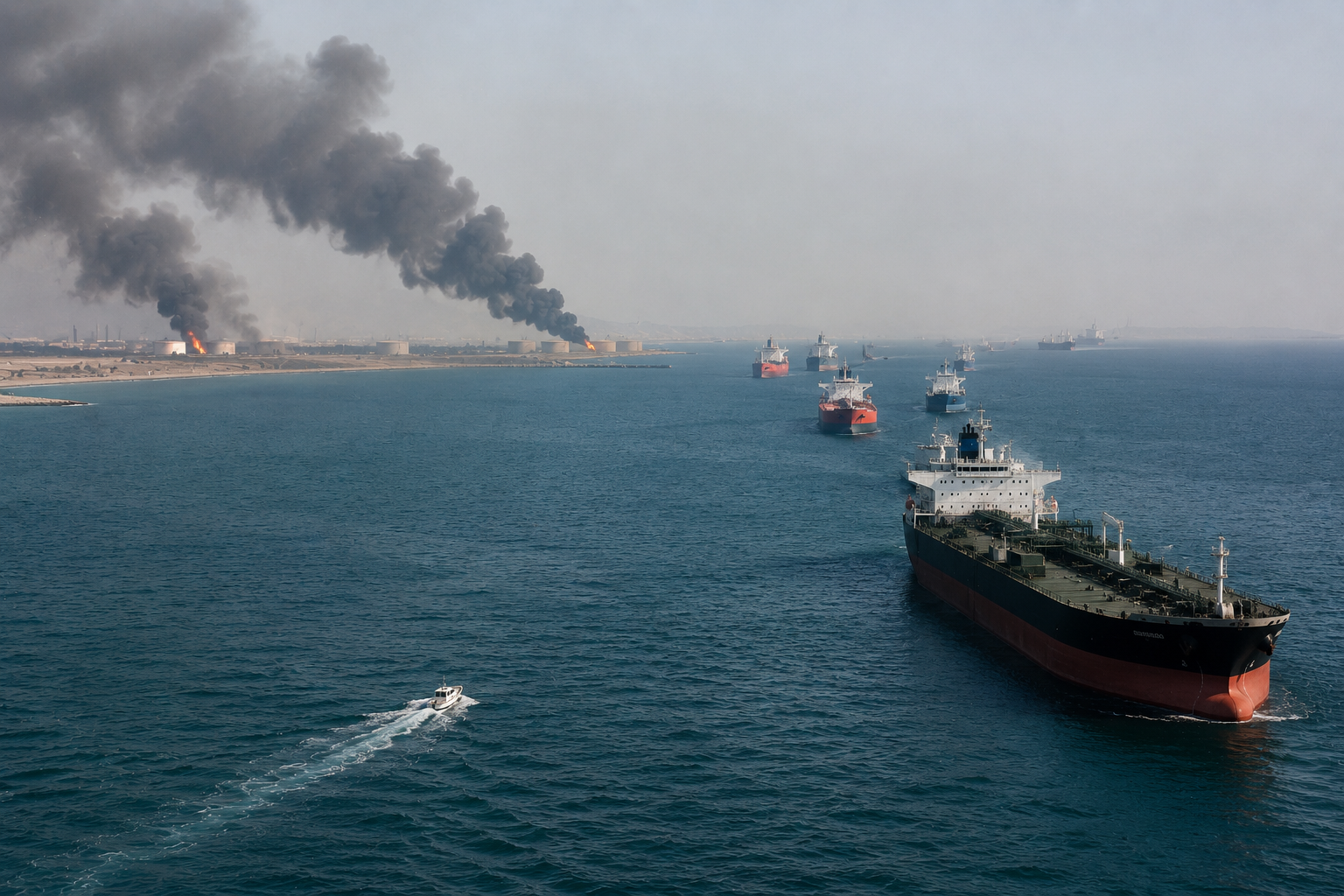
Saudi Arabia Pushes for International Coalition to Protect Red Sea Shipping From Houthi Attacks
Saudi Arabia is reportedly working with dozens of countries to establish an international coalition aimed at protecting commercial shipping in the Red Sea following a series of Houthi attacks on maritime traffic. The effort comes as growing security threats in one of the world's busiest trade corridors raise concerns over global energy supplies and international commerce.
The proposed coalition reflects increasing regional and international efforts to safeguard critical shipping lanes as tensions in the Middle East continue to affect maritime security.
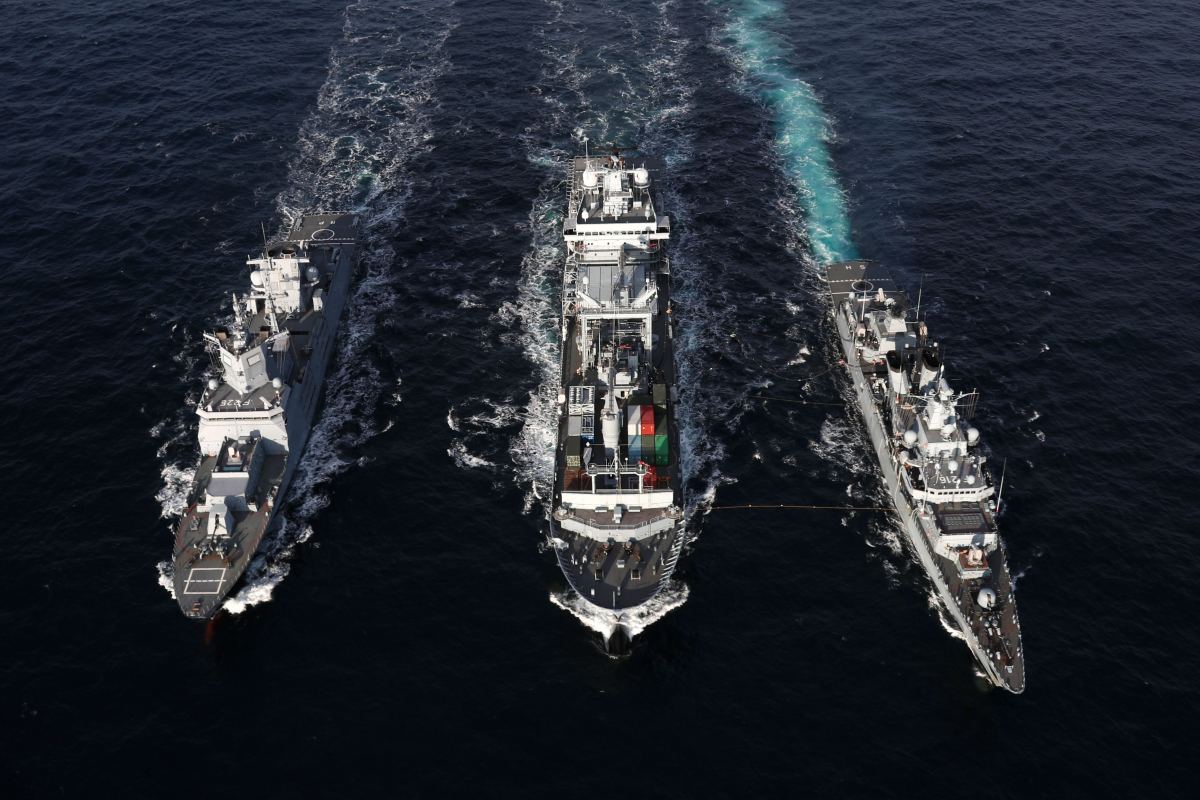
Saudi Arabia Seeks Global Support for Maritime Security
According to sources familiar with the discussions, Saudi Arabia is consulting with multiple countries to form a multinational coalition focused on protecting vessels operating in the Red Sea.
The structure and membership of the proposed coalition have not yet been finalized, but discussions are reportedly ongoing with dozens of governments.

Saudi authorities have not officially commented on the reported initiative.
Houthi Attacks Increase Pressure on Regional Shipping
The coalition talks follow recent attacks on commercial vessels by Yemen's Houthi movement.
The Houthis previously announced what they described as a naval blockade targeting Saudi Arabia in the Red Sea, saying the action was a response to Saudi policies toward Yemen.
Saudi Arabia has rejected those claims and has responded with military strikes against what it says are Houthi facilities used to threaten maritime traffic.
Red Sea Remains a Vital Global Trade Route
The Red Sea is one of the world's most strategically important shipping corridors.
The route connects the Bab el-Mandeb Strait to the Suez Canal, allowing ships to transport:
-
Crude oil and refined fuels
-
Liquefied natural gas (LNG)
-
Consumer goods
-
Industrial equipment
-
Containerized cargo
Disruptions along this corridor can affect shipping schedules, transportation costs, and global supply chains.
Energy Markets Closely Monitor Security Risks
The latest security concerns have drawn attention from global energy markets.
Any sustained disruption to shipping through the Red Sea could:
-
Increase transportation costs
-
Delay energy exports
-
Tighten global oil supplies
-
Contribute to higher energy prices
The region remains a key export route for Middle Eastern energy producers serving Europe, Asia, and other international markets.
International Cooperation May Expand
A multinational coalition could involve coordinated naval patrols, intelligence sharing, and enhanced maritime surveillance to help secure commercial shipping.
While no operational details have been announced, similar international efforts have previously been used to address piracy and protect shipping lanes in strategically important waterways.
The final structure of any coalition will depend on ongoing diplomatic discussions among participating countries.
Regional Tensions Continue to Shape Maritime Trade
The reported coalition effort comes amid broader geopolitical tensions across the Middle East.
Security concerns involving shipping routes have become increasingly significant as conflicts in the region continue to influence trade, energy markets, and international transportation.
Governments and shipping companies remain focused on maintaining the safe movement of commercial cargo through the Red Sea.
What's Next
Saudi Arabia is expected to continue discussions with international partners on the formation of a maritime security coalition. Markets will closely watch whether additional countries formally join the initiative, how shipping companies respond to evolving security risks, and whether military or diplomatic measures help stabilize one of the world's most important trade routes.
FAQ
Why is Saudi Arabia seeking an international coalition?
According to sources, Saudi Arabia is working with multiple countries to improve security for commercial shipping in the Red Sea following recent Houthi attacks.
Why is the Red Sea important for global trade?
The Red Sea connects the Bab el-Mandeb Strait and the Suez Canal, making it one of the world's busiest shipping routes for energy exports and international commerce.
What prompted the latest security concerns?
The reported coalition effort follows Houthi attacks on vessels and the group's announcement of a naval blockade targeting Saudi Arabia in the Red Sea.
How could shipping companies be affected?
Higher security risks could lead to increased insurance costs, longer transit times, and possible rerouting of vessels if conditions worsen.
What should investors and businesses watch next?
Attention will focus on whether an international coalition is formally established, how regional security develops, and what impact future events may have on global shipping, energy supplies, and international trade.